

Archive · 2 Jan 2026
Wearable Healthcare Tech Use to Rise 42-Fold by 2050
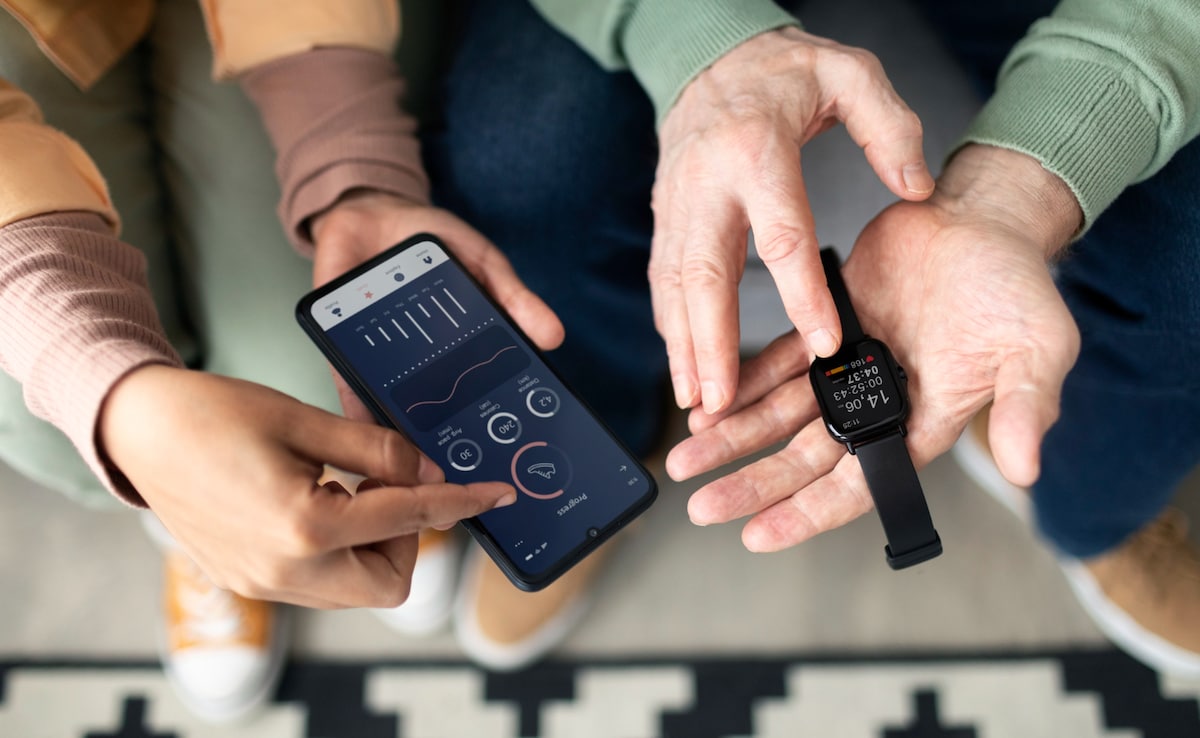
Scientists from Cornell and Chicago universities found that the use of wearable healthcare devices, like blood pressure monitors and glucose sensors, could increase a lot—42 times—by the year 2050.
This means almost two billion of these devices will be used every year, which will produce a lot of greenhouse gases, about 3.4 million metric tonnes of carbon dioxide.
The devices will also create other environmental problems like e-waste and chemical pollution.
The researchers say that making these devices with better materials and designs can help reduce their environmental impact.
Right now, devices that monitor heart rhythms and blood pressure are the most common, but by 2050, glucose monitors will be the most used.
The study was published in the journal Nature.

Wearable healthcare technology consumption is projected to increase 42-fold by 2050, reaching nearly two billion units annually.
The devices will emit 3.4 metric tonnes of carbon dioxide equivalent by 2050, with China and India being the top emitters.
Each device could emit up to six kilograms of carbon dioxide equivalent during its lifetime.
Continuous glucose monitors are expected to dominate the market by 2050, followed by continuous ECG and blood pressure monitors.
Optimizing materials and circuit designs can significantly reduce the environmental impact of these devices.
- Who
- Researchers from Cornell and Chicago universities
- What
- Projected 42-fold increase in wearable healthcare technology consumption by 2050
- When
- By 2050
- Where
- Globally, with China and India as top emitters
- Why
- Due to increased adoption and environmental impact of wearable healthcare devices
- Projected Increase in Consumption
- 42-fold by 2050
- Annual Units by 2050
- Approaching two billion
- Greenhouse Gas Emissions by 2050
- 3.4 metric tonnes of carbon dioxide equivalent
- Top Emitting Countries by 2050
- China, India
- Lifetime Emissions per Device
- Up to six kilograms of carbon dioxide equivalent
- Dominant Devices by 2050
- Continuous glucose monitors (72%), continuous ECG (19%), blood pressure monitors (8%)
- Current Global Smartphone Sales
- 1.2 billion units in 2024