

Archive · 20 Jan 2026
India-EU FTA Talks Advance Amid US Tariffs

India and the European Union are very close to finalizing a big trade deal.
This deal is expected to be very beneficial for both sides.
One of the main issues they are discussing is the Carbon Border Adjustment Mechanism (CBAM), which is a fee that the EU charges on certain goods from India.
India wants the EU to make some exceptions or provide protection from these fees.
Another issue is non-tariff barriers, which are rules and regulations that make it harder for Indian products to be sold in the EU.
For example, there are strict rules about food safety and environmental standards that Indian exporters have to follow.
Additionally, there are disagreements about services.
The EU wants Indian companies to set up offices in Europe and pay high salaries to Indian professionals, which India says goes against the idea of digital trade.
The US has also imposed high tariffs on some EU countries, which might make the EU more interested in finalizing the deal with India.
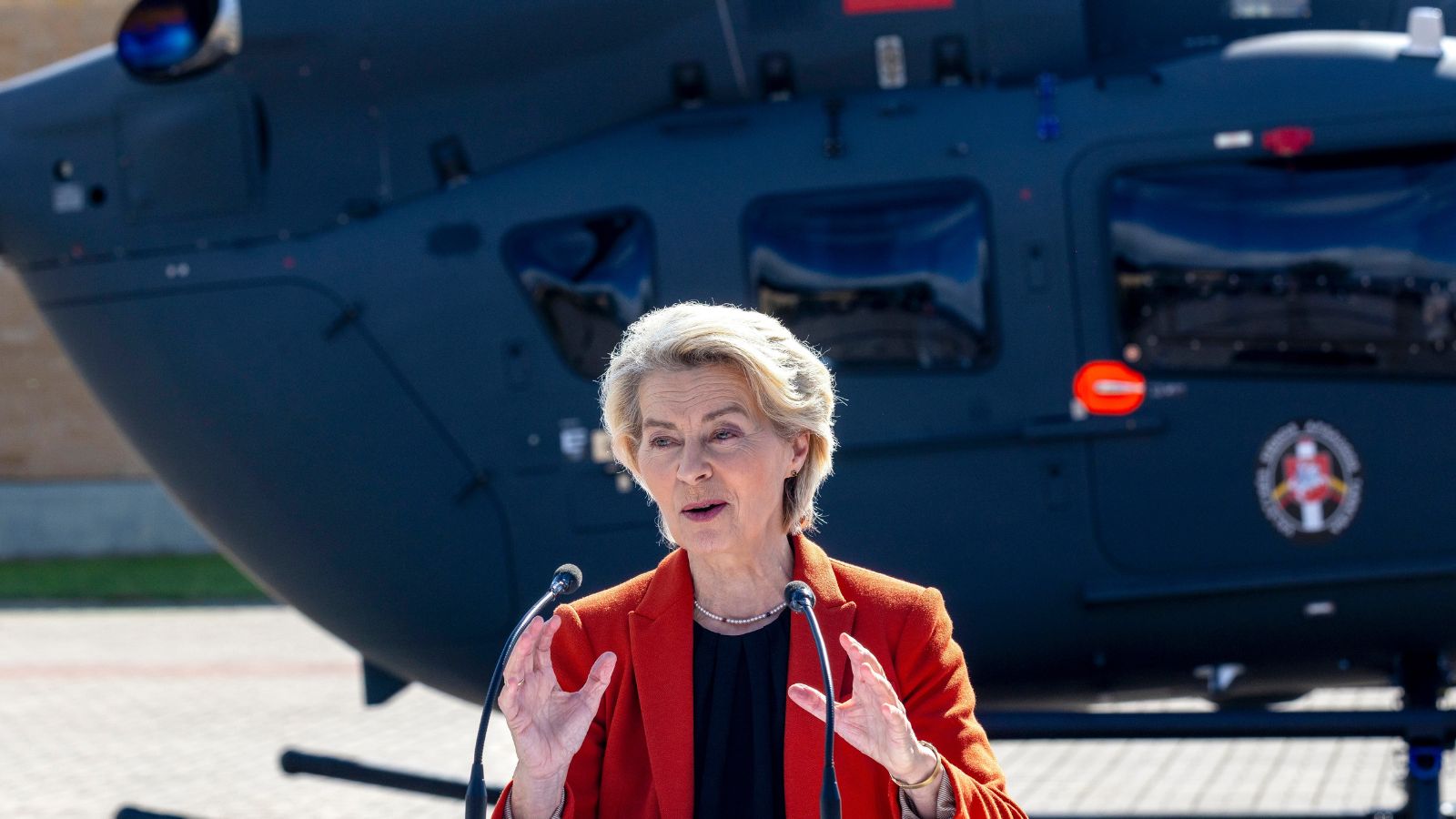
The agreement is expected to be announced on January 27 during a visit by top EU leaders to India.

India and the EU are nearing the conclusion of a Free Trade Agreement (FTA), with an announcement expected on January 27.
Key issues include the EU's Carbon Border Adjustment Mechanism (CBAM), non-tariff barriers, and services mobility.
CBAM risks undermining the benefits of tariff liberalization by imposing climate-linked border measures on Indian exports.
Non-tariff barriers such as regulatory delays and stringent rules affect Indian exports in pharmaceuticals, food, and manufacturing sectors.
Services negotiations reveal a divide, with the EU imposing conditions like local office setups and high salary thresholds for Indian professionals.
- Who
- India and the European Union
- What
- Negotiations for a Free Trade Agreement (FTA) with focus on resolving issues like CBAM, non-tariff barriers, and services mobility
- When
- Currently ongoing, nearing conclusion with announcement expected on January 27
- Where
- India and the European Union
- Why
- To address imbalances and risks in the trade deal, including market access, tariff relief, and new opportunities in services, and to diversify trade amid US tariffs
- Parties Involved
- India and European Union
- Key Issues
- Carbon Border Adjustment Mechanism (CBAM), Non-Tariff Barriers, Services Mobility
- Impacted Sectors
- MSMEs, Pharmaceuticals, Food and Agricultural Exports, Manufacturing, IT Services
- EU's CBAM Status
- Already in force for steel and aluminium
- India's Requests
- Exemptions, carve-outs, or safeguard language for CBAM
- EU's Stance on CBAM
- Offered carve-outs to US goods, signaled flexibility
- Non-Tariff Barriers Examples
- Regulatory delays in pharmaceutical approvals, stringent SPS rules, complex testing and certification requirements
- Services Negotiation Issues
- EU's requirement for local offices, high minimum salary thresholds for Indian professionals
- US Tariffs on EU
- 10% from February 1, rising to 25% on June 1
- EU's Potential Retaliation
- Anti-Coercion Instrument, curbs on investments and services
- Expected FTA Announcement
- January 27, during EU leadership visit to India
- India-EU Trade Volume (2024-25)
- $136.53 billion (exports: $75.85 billion, imports: $60.68 billion)
- EU's Share of India's Exports
- 17%
Sources
EU FTA Needs To Resolve CBAM, Non-Tariff Measures And Services Mobility
India-EU summit on Jan 27: FTA, defence, mobility deals on table
Will EU US tariff war sweeten India’s FTA with Europe? Here’s what we know
India, EU set to conclude Free Trade Deal by Jan 27
