1 month ago
Women Priests Break Gender Barriers in Maharashtra
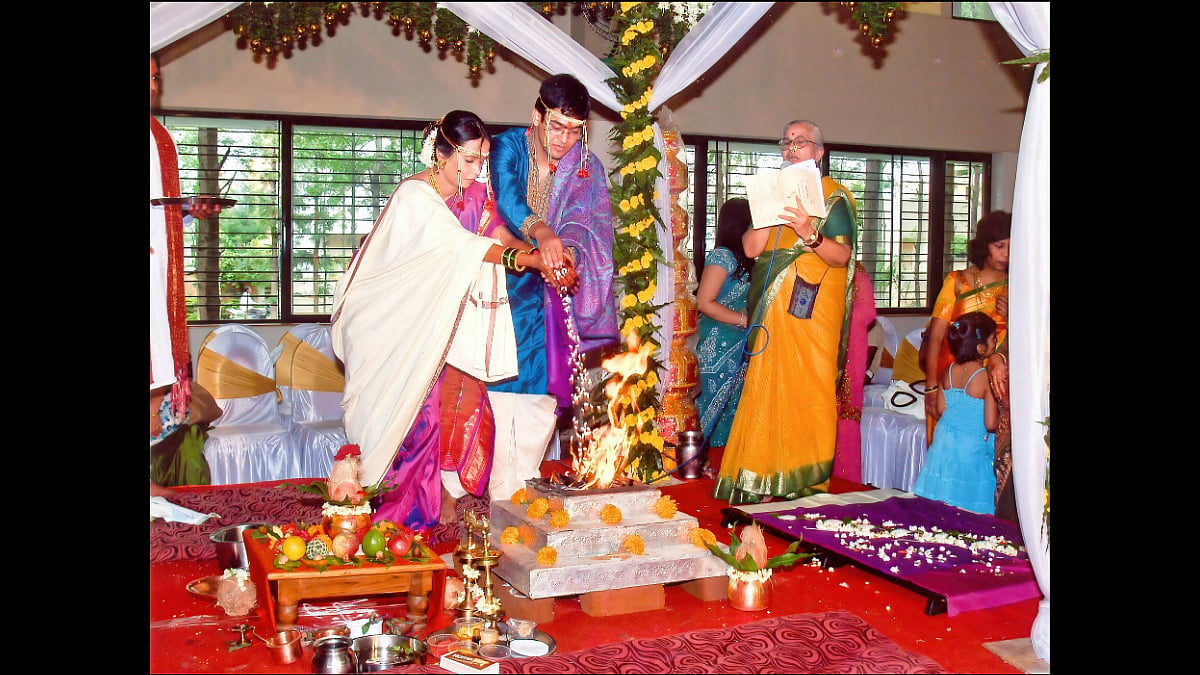
In Maharashtra, women priests are breaking traditional barriers and gaining acceptance.
They perform various rituals, including weddings and funerals, and are increasingly sought after for their expertise.
Despite initial resistance, many families now prefer women priests for their clarity and understanding of rituals.
Organizations like Jnana Prabodhini and Shankar Seva Samiti have played a significant role in training and empowering women priests.
The movement has also challenged caste and gender inequalities, promoting the idea that priesthood should be based on merit rather than birth.

Women priests in Maharashtra are challenging traditional gender norms in priesthood.
Organizations like Jnana Prabodhini and Shankar Seva Samiti have trained hundreds of women priests.
Women priests are increasingly accepted and sought after for their expertise and clarity.
The movement has performed over 14,500 sacraments across 18 states in India.
The focus is on merit over birth, promoting gender and caste equality in priesthood.
- Who
- Women priests in Maharashtra
- What
- Breaking gender barriers in priesthood
- Where
- Maharashtra, India
- When
- Since the 1970s
- Why
- To challenge traditional norms and promote gender equality in religious practices
Traditionalists
Reformists
Role of Women in Priesthood
Traditionalists
Women are not pure enough to perform rituals, especially during menstruation.
Reformists
Women can perform rituals equally well and should have the right to do so.
Acceptance of Women Priests
Traditionalists
Women priests are not traditionally accepted and face skepticism.
Reformists
Women priests are increasingly accepted and sought after for their expertise and clarity in explaining rituals.
Key facts
- Year of First All-Women Maharudra Yaag
- 1980
- Number of Priests Trained by Jnana Prabodhini
- 800+
- Number of Full-Time Women Priests
- 100+
- Number of Sacraments Performed (2022-2025)
- 14,500+
- States Where Sacraments Were Performed
- 18 states including Himachal Pradesh, Assam, and Kerala
Quotes
Dr. Manisha Shete
Head of Jnana Prabodhini’s priest‑training programme.
“"By 2006, we had almost equal numbers of men and women in our training batches."”
 freepressjournal.in
“"He accused me of chasing status and publicity, but I refused to back down."”
freepressjournal.in
Sources
Related news

OpenAI's Daybreak Red hacking model found 400 kernel vulnerabilities

Caviar Opens Luxury iPhone Ultra Preorders Before Apple Launch

Australian Police Charge Two Men in Open-Source Hacking Case
UK and Ukraine Open Battlefield AI Partnership Amid War
Australian Police Charge Two Men in Open-Source Software Hacking Case