

Archive · 13 Sep 2026
Buddha’s Teachings Present Dukkha as a Path Toward Freedom
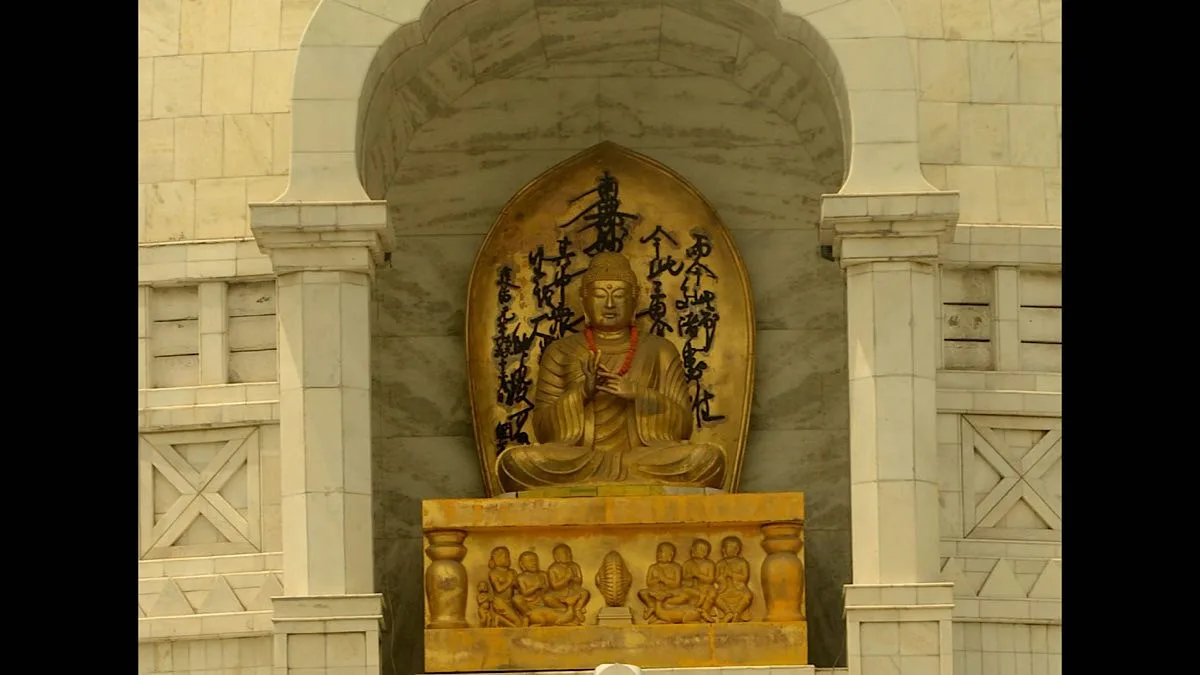
The Buddha studied why people suffer and whether suffering could end.
He called suffering and dissatisfaction dukkha.
He taught that life includes painful things such as sickness, ageing and death.
He also said that wanting pleasant experiences to last and wanting unpleasant experiences to disappear can create more suffering.
According to the article, our reactions to experiences form habits in the mind.
By living ethically, training the mind and observing feelings without immediately reacting, people can weaken these habits.
The Buddha described this teaching through the Four Noble Truths.
The article says this makes his message hopeful because people can influence their future through their present actions.

Siddhartha Gautama’s investigation of human suffering led to his becoming known as the Buddha, or Enlightened One.
The Four Noble Truths state that dukkha exists, has a cause, can end, and has a path to eradication.
The article identifies craving and aversion, rooted in attachment, as causes of suffering and sources of recurring mental habit patterns.
It says suffering can lessen when people observe sensations without reacting to them and develop morality, mental control and experiential wisdom.
The Buddha’s message places responsibility for change on individuals and is presented as an optimistic, practical response to suffering.
- Who
- Siddhartha Gautama, later known as the Buddha, and people seeking freedom from dukkha.
- What
- An explanation of dukkha, its causes, the Four Noble Truths and a practical path toward ending suffering.
- When
- The Buddha lived more than twenty-five centuries ago; the article says his teachings remain relevant after more than twenty-six centuries.
- Where
- The teachings concern human experience generally; the article also refers to suffering occurring around the world.
- Why
- The Buddha investigated suffering to understand its nature, identify its cause and discover a way to transcend it.
Skeptical Interpretation
Optimistic Interpretation
Does Buddhism focus too heavily on suffering?
Skeptical Interpretation
The emphasis on birth, ageing, illness, death and other forms of dukkha can make the Buddha appear pessimistic.
Optimistic Interpretation
The article argues that the Buddha did not stop at describing suffering; he identified its cause, affirmed that it can end and offered a practical path to freedom.
Where does suffering come from?
Skeptical Interpretation
Suffering may appear to be caused primarily by external events such as illness, war, disasters and loss.
Optimistic Interpretation
The Buddha’s teaching, as presented here, locates the source of dukkha in the mind’s craving and aversion toward sensations arising from events.
Who determines a person’s future?
Skeptical Interpretation
Past actions and accumulated mental patterns can seem to determine a person’s circumstances and behavior.
Optimistic Interpretation
The article stresses that people can choose their present actions, stop creating new harmful patterns and transform themselves.
- Central concept
- Dukkha means suffering, dissatisfaction or the painful instability of human experience.
- Four Noble Truths
- Dukkha exists; it has a cause; it can be eradicated; and there is a path to eradication.
- Main causes
- Craving and aversion, rooted in tanhā or attachment, generate recurring patterns of suffering.
- Mental habit patterns
- Repeated reactions to pleasant and unpleasant sensations create sankharas, or deep-rooted mental imprints.
- Practical approach
- The article emphasizes moral living, mental mastery, non-reaction to sensations and paññā, or experiential wisdom.
- View of karma
- Karma is described as action and its consequences, rather than punishment or reward imposed by an outside authority.
- Responsibility
- Freedom from dukkha ultimately depends on an individual’s own efforts and present actions.