

Archive · 17 Sep 2025
Partial Heart Transplants: A Novel Approach for Children's Heart Defects
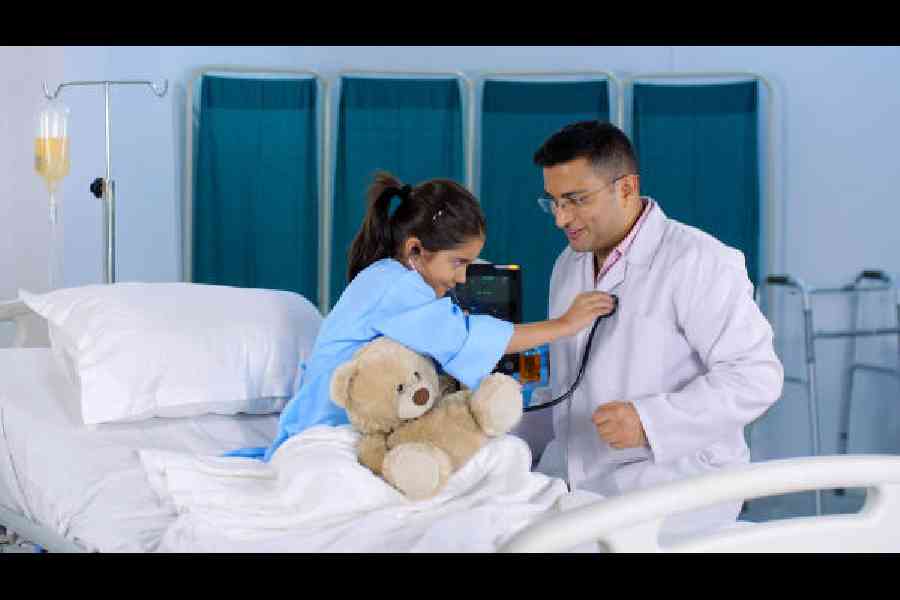
Imagine your heart has a broken part.
Doctors are trying a new fix where they use a piece from another healthy heart to patch yours up.
This is called a partial heart transplant.
It is mostly for kids with heart problems.
This new method uses living tissue that can grow.
It might mean kids need less medicine to keep their bodies from rejecting the new piece.
So far, it looks like this repair can work.
While more research is needed, it shows promise.
Some kids are even growing the new part.
The goal is to help children avoid many surgeries.
It is still early, but doctors are hopeful about this new approach.

Partial heart transplants use donor heart parts to repair defects in children.
The first successful partial heart transplant was performed on an infant in 2022.
A recent study analyzes results from 19 patients, showing valve health and growth in infants.
Donor hearts are scarce, and partial transplants could use more of them.
Partial transplants may require lower doses of immunosuppressant drugs compared to full transplants.
- Who
- Patients with heart defects, primarily infants and children.
- What
- Partial heart transplants, using parts of donor hearts to repair existing heart defects.
- When
- First performed on April 22, 2022; study data is from 2022.
- Where
- Duke University Medical Center, US, and other hospitals in the US.
- Why
- To provide a potential solution for children with life-threatening heart defects, offering a living valve that may grow with the patient and require less medication.
Optimistic View
Cautious View
Immunosuppressant Drugs
Optimistic View
Partial heart transplants may require lower doses of immunosuppressant drugs, reducing complications.
Cautious View
More research is needed to determine optimal doses and long-term effects on potential rejection.
- Procedure
- Partial heart transplant using donor valves, arteries, veins and muscle
- First Successful Transplant
- April 22, 2022, on 17-day-old Owen Monroe
- Primary Location
- Duke University Medical Center, US
- Study Focus
- Tracking 19 patients with partial heart transplants
- Valve Growth
- Observed in infants, valves doubled in size in a year
- Immunosuppressant Drugs
- Patients may require significantly lower doses after transplant
- Heart Discard Rate
- Around 43% of donor hearts from children go unused in US