Archive · 16 Sep 2026
UPI MDR Begins October 15, Merchants Face Charges, Customers Don’t

Starting October 15, 2026, some businesses will pay a small fee when customers use UPI for purchases above ₹2,000.
This fee is called MDR, which means Merchant Discount Rate.
Customers will not see the fee added to their UPI payment.
Sending money to friends, family or your own account will remain free.
Payments to merchants up to ₹2,000 will also remain free.
The usual MDR will be 0.4%, with a maximum of ₹300 for large transactions.
Some services, such as fuel, railways, telecom and insurance, will have a ₹5 fee instead.
Eligible small shops receiving up to ₹1 lakh monthly through UPI QR payments will remain exempt.
NPCI says the money will help pay for infrastructure, cybersecurity and fraud prevention, while retailers worry that some businesses may prefer cash or raise prices indirectly.

From October 15, 2026, specified UPI merchant payments above ₹2,000 will carry a 0.4% MDR, capped at ₹300 for transactions of ₹75,000 or more.
Customers will not pay a separate UPI, platform or hidden fee; person-to-person transfers and merchant payments up to ₹2,000 remain free.
The MDR will be distributed within the payment ecosystem, mainly to the payer’s bank, with shares for the merchant’s bank, payment apps and other service providers.
Railways, telecom, insurance, fuel and certain utility payments above ₹2,000 will generally attract a flat ₹5 MDR, while specified capital-market payments will carry 0.02%, capped at ₹300.
Eligible small merchants receiving up to ₹1 lakh monthly through UPI QR payments will retain zero MDR, while NPCI and industry groups disagree over whether merchants may indirectly pass costs to consumers.
- Who
- NPCI, banks, payment apps, payment service providers, merchants and UPI users are affected.
- What
- A merchant-side MDR will apply to specified person-to-merchant UPI payments above ₹2,000, while customers will not be charged directly.
- When
- The revised framework takes effect on October 15, 2026; NPCI announced the framework on September 16.
- Where
- It applies to UPI merchant payments in India, including transactions involving rural, semi-urban and other underserved areas.
- Why
- NPCI and government officials say the revenue will help fund UPI infrastructure, cybersecurity, fraud prevention, reliability, innovation and customer support as usage expands.
MDR supports UPI sustainability
Merchants may pass costs indirectly
Purpose of the charge
MDR supports UPI sustainability
NPCI, the government and the Reserve Bank of India say predictable commercial revenue is needed to support UPI infrastructure, cybersecurity, fraud prevention, reliability, innovation and customer service as the network expands.
Merchants may pass costs indirectly
Retailers and some analysts question whether merchants will absorb the cost, particularly businesses with thin margins, and warn that some may favor cash or reconsider digital payments.
Effect on customers
MDR supports UPI sustainability
Customers will not pay a separate UPI fee, and P2P payments, payments up to ₹2,000, recurring mandates and eligible small-merchant transactions remain free or outside the MDR framework.
Merchants may pass costs indirectly
Although merchants are not supposed to add MDR as a UPI fee, some retailers could potentially recover the cost through broader price increases; the articles note that enforcement against indirect pass-through remains a concern.
Cost versus alternatives
MDR supports UPI sustainability
NPCI says the 0.4% MDR remains below typical credit-card and debit-card acceptance costs, while higher transaction volumes and lower cash-handling expenses may offset the charge.
Merchants may pass costs indirectly
Retailers argue that even a relatively small processing cost can pressure smaller businesses and potentially weaken the habit of accepting digital payments.
- Effective date
- October 15, 2026
- Standard MDR
- 0.4% on specified merchant payments above ₹2,000
- Maximum charge
- ₹300 for eligible transactions of ₹75,000 or more
- Special categories
- Generally ₹5 above ₹2,000 for railways, telecom, insurance, fuel and certain utilities
- Capital markets
- 0.02% MDR, capped at ₹300, for specified mutual-fund, securities, broker and dealer payments
- Customer charges
- No separate UPI transaction, platform or hidden fee; P2P payments remain free
- Small-merchant exemption
- Eligible UPI QR merchants receiving up to ₹1 lakh monthly retain zero MDR
- Revenue allocation
- MDR will be shared among banks, payment apps and other payment service providers; 5% of collections is planned for a small-merchant fund
Sources
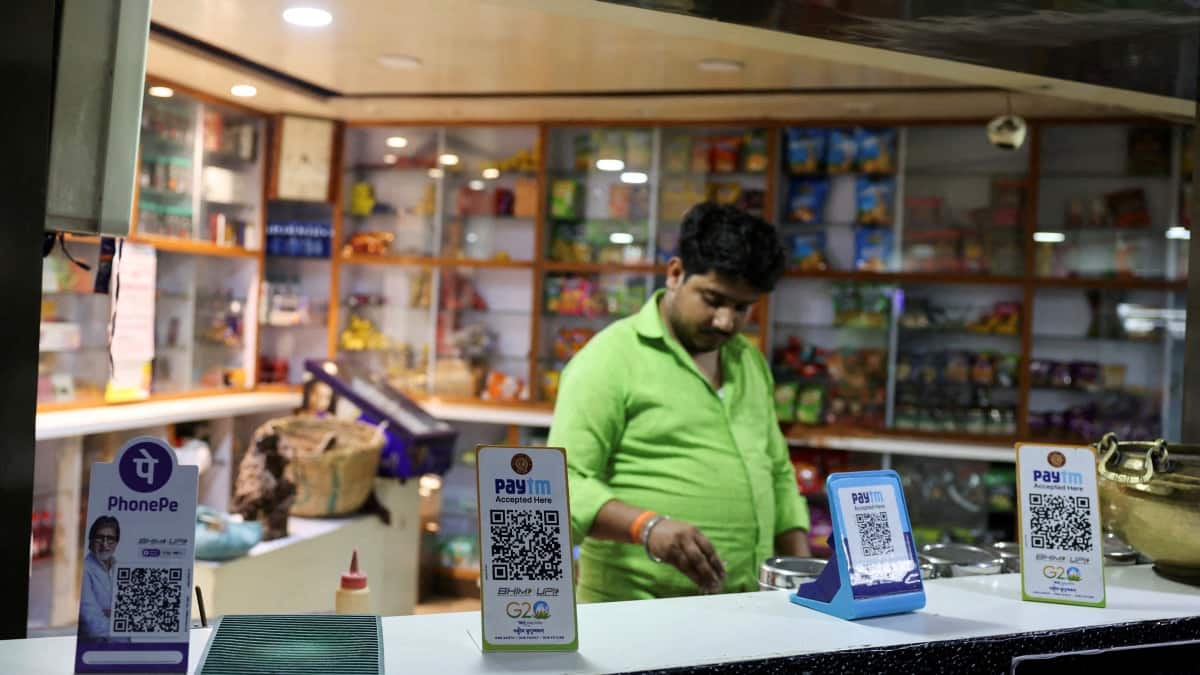
UPI charges above Rs 2,000: From fuel payments to OTT subscriptions, who pays what?
New UPI charges: Will you pay extra? 5 things that remain free
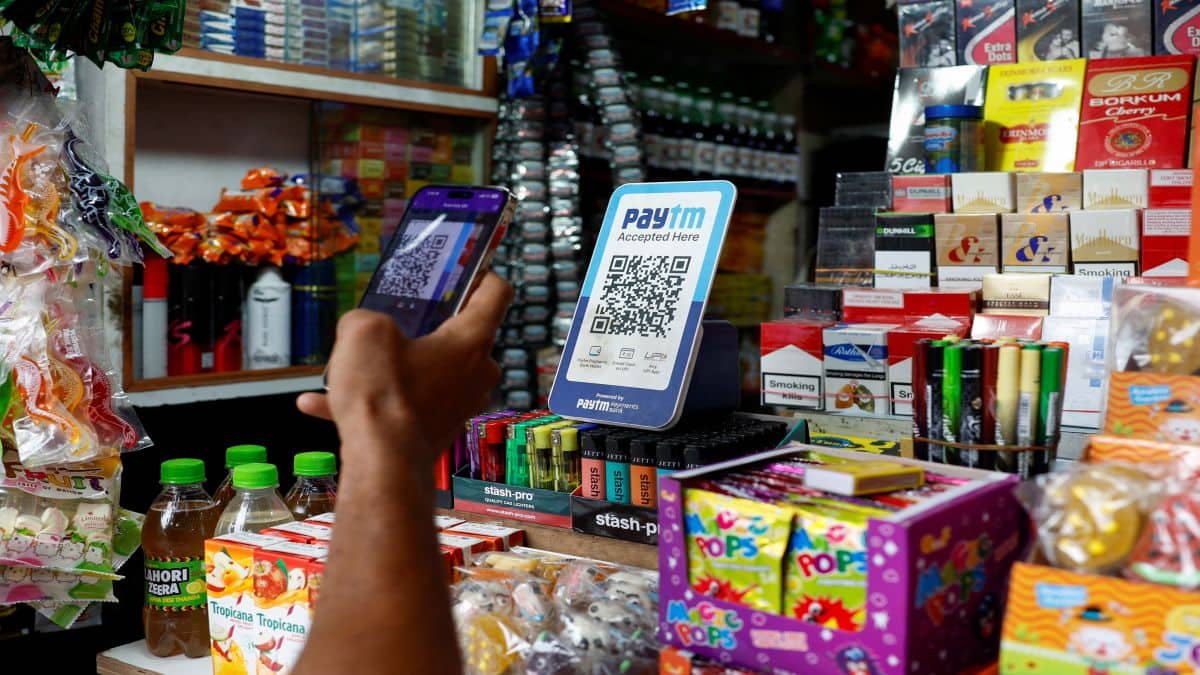
UPI is no longer free for merchants. Where will the new MDR money actually go?
What is Merchant Discount Rate (MDR) and how will new UPI charges affect customers?
UPI zero-MDR run ends October 15, with charges for higher-value merchant payments
UPI MDR Explained: Will customers be charged from October 15?