

Archive · 7 Jan 2026
Hygienic Linens Crucial for Hospital Patient Safety
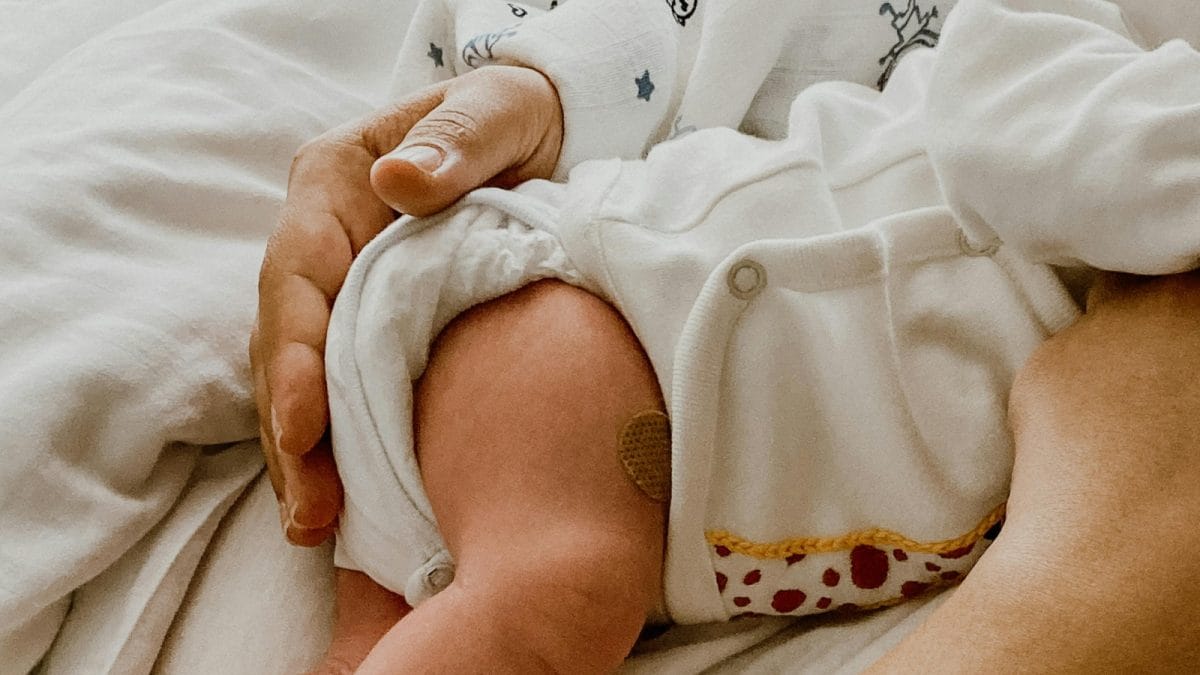
Hygienic linens are very important in hospitals.
They help keep patients safe by stopping germs from spreading.
If linens are not cleaned properly, bacteria can grow very quickly, which can make people sick.
Hospitals use special cleaning methods to make sure all linens are clean and safe.
This helps protect both patients and the people who work in the hospital.
Clean linens also make patients feel more comfortable and help the hospital have a good reputation.

Improper handling or damp storage of linen can cause bacterial growth to increase up to 200 times within 12 hours.
Clean linens in healthcare institutions are crucial for patient wellbeing and infection control.
Professional, scientific, and high-precision laundry solutions are essential to eliminate pathogens and maintain fabric integrity.
Nearly 100 million healthcare-associated infections (HAIs) occur globally annually, with 15-20% linked to environmental hygiene, including textiles.
Hygienically washed and carefully packaged linen supports healthcare teams by ensuring the highest levels of protection at every touchpoint.
- Who
- Healthcare facilities and patients
- What
- Importance of hygienic linens in hospitals
- When
- Ongoing concern in healthcare
- Where
- Hospitals and healthcare institutions
- Why
- To prevent healthcare-associated infections and ensure patient safety
- Bacterial Growth
- Can increase up to 200 times within 12 hours if improperly handled or stored damp
- Healthcare-Associated Infections (HAIs)
- Nearly 100 million cases globally annually
- Linen Hygiene Impact
- Reduces infection risk by up to 95%
- Infection Prevention
- 15-20% of HAIs linked to environmental hygiene, including textiles
- Linen Care Process
- Includes calibrated wash temperatures, medical-grade detergents, and thermal disinfection
- Patient Comfort
- Improves with fresh, soft, and fully sanitised linens
- Hospital Reputation
- Enhanced by reliable linen hygiene
- Linen Hygiene Responsibility
- Shared among healthcare staff, including nurses, doctors, and housekeeping teams