

Archive · 25 Jan 2026
US Immigration Attorneys Warn of H-1B Fraud Inspections
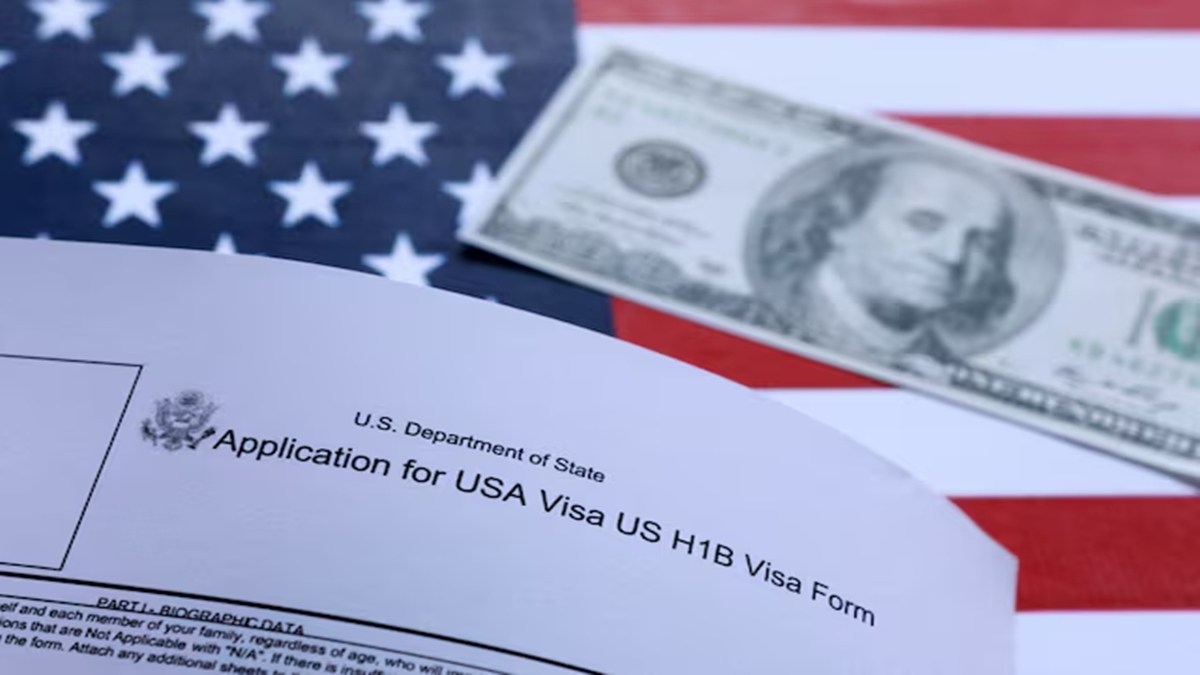
The US government is doing more checks to make sure companies with foreign workers on special visas are following the rules.
These checks are not announced and are looking for big problems, not small mistakes.
The checks can happen anywhere, and companies need to be ready.
If problems are found, the workers' visas could be taken away, and the company could get in trouble.
The government has more money to do these checks because of a new law.
Companies should keep good records and train their staff to be ready for these visits.

FDNS is conducting unannounced inspections to detect fraud in H-1B and L-1 visa programs.
Inspections are triggered randomly, by petition inconsistencies, or remote worksite filings.
Red flags include worksite mismatches, unaware staff, duty discrepancies, absence, and wage issues.
Employers should maintain inspection binders and train staff to be prepared for unannounced visits.
Consequences of discrepancies can range from petition revocation to ICE investigations.
- Who
- US Citizenship and Immigration Services’ Fraud Detection and National Security (FDNS) division, employers, H-1B and L-1 visa holders
- What
- Increased unannounced inspections to detect fraud in visa programs
- When
- Ongoing, with a recent surge due to new legislation
- Where
- Major metro areas such as Houston
- Why
- To ensure compliance with visa program requirements and detect fraud
- Inspection Type
- FDNS site visits
- Focus
- Detecting fraud in H-1B and L-1 visa programs
- Trigger for Inspections
- Random, inconsistencies in petition, or remote worksite filings
- Red Flags
- Worksite mismatches, unaware staff, duty discrepancies, absence, wage issues
- Preparation Advice
- Maintain inspection binder, train staff, be ready for unannounced visits
- Consequences
- Petition revocation, labor referrals, ICE investigations
- Funding Source
- $500 anti-fraud fee paid by employers
- Recent Enforcement Increase
- Due to the 'Big Beautiful Bill' allocating $150 billion for border security and immigration enforcement