

Archive · 6 Sep 2025
India's Palm Oil Ambition: Lessons from Malaysia's Sustainable Approach
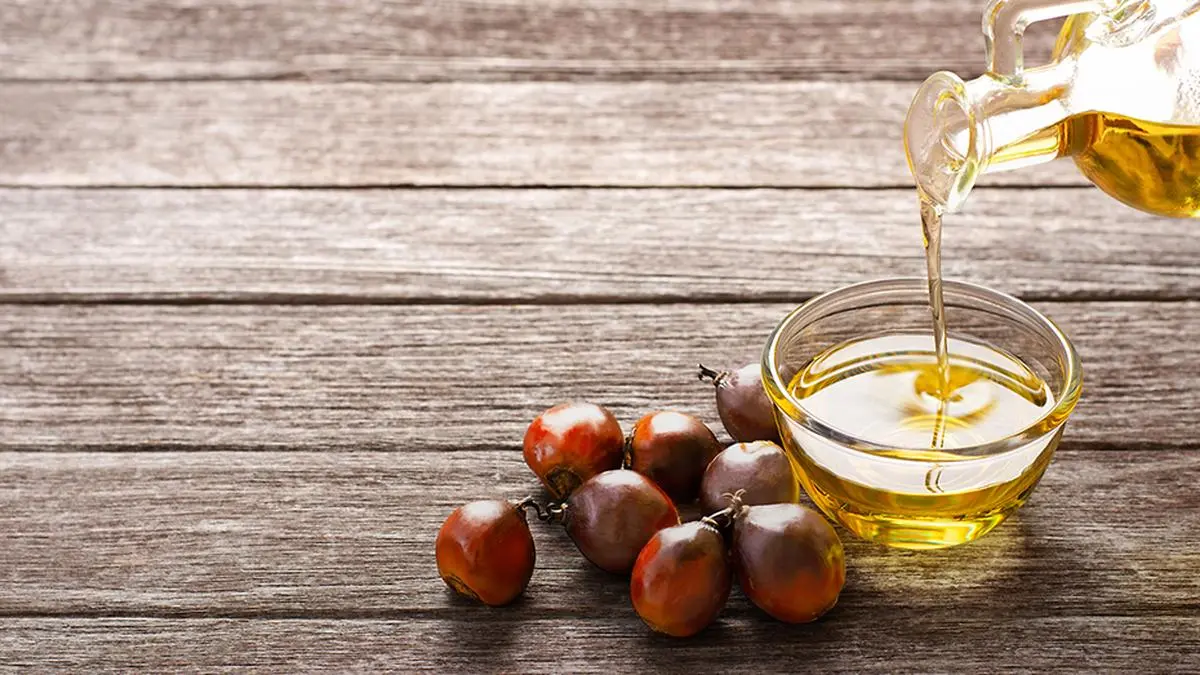
India wants to grow its own palm oil, which is used in many foods, instead of buying it from other countries.
They are learning from Malaysia, a country that has done this successfully.
Malaysia uses a system called MSPO to make sure palm oil is grown in a way that's good for the environment and treats workers fairly.
India plans to use a similar system.
This includes helping farmers get better seeds and irrigation, and making sure they can make a good living.
Malaysia's focus on sustainability has helped their farmers, protected forests, and made their palm oil more valuable.
India hopes to achieve the same results, becoming a major palm oil producer.

India imports about 9 million tonnes of palm oil annually, costing around ₹40,000 crore.
The National Mission on Edible Oils - Oil Palm (NMEO-OP) aims to reduce import reliance.
Malaysia's MSPO certification emphasizes sustainable palm oil production.
Malaysia is investing in research and development for sustainable palm oil production.
MSPO 2.0 introduces stricter guidelines for sustainability and ethical practices.
- Who
- India and Malaysia are key players.
- What
- India aims for self-reliance and sustainability in the palm oil sector.
- When
- The National Mission on Edible Oils - Oil Palm (NMEO-OP) was launched to reduce import dependency.
- Where
- India is focused on domestic production, while Malaysia serves as a model.
- Why
- To reduce import dependency, promote economic growth, and ensure environmental responsibility.
- India's Palm Oil Imports
- 9 million tonnes annually
- Cost of Imports
- ₹40,000 crore annually
- MSPO Certification in Malaysia
- Over 89% of oil palm area
- Malaysia's Forest Cover
- 55% of total land area
- Smallholder MSPO Certification Goal
- 90% by end of 2025
- MSPO 2.0 Implementation Date
- January 1, 2025