

Archive · 5 Nov 2025
Six Ways to Lower Your Risk of a Brain Stroke
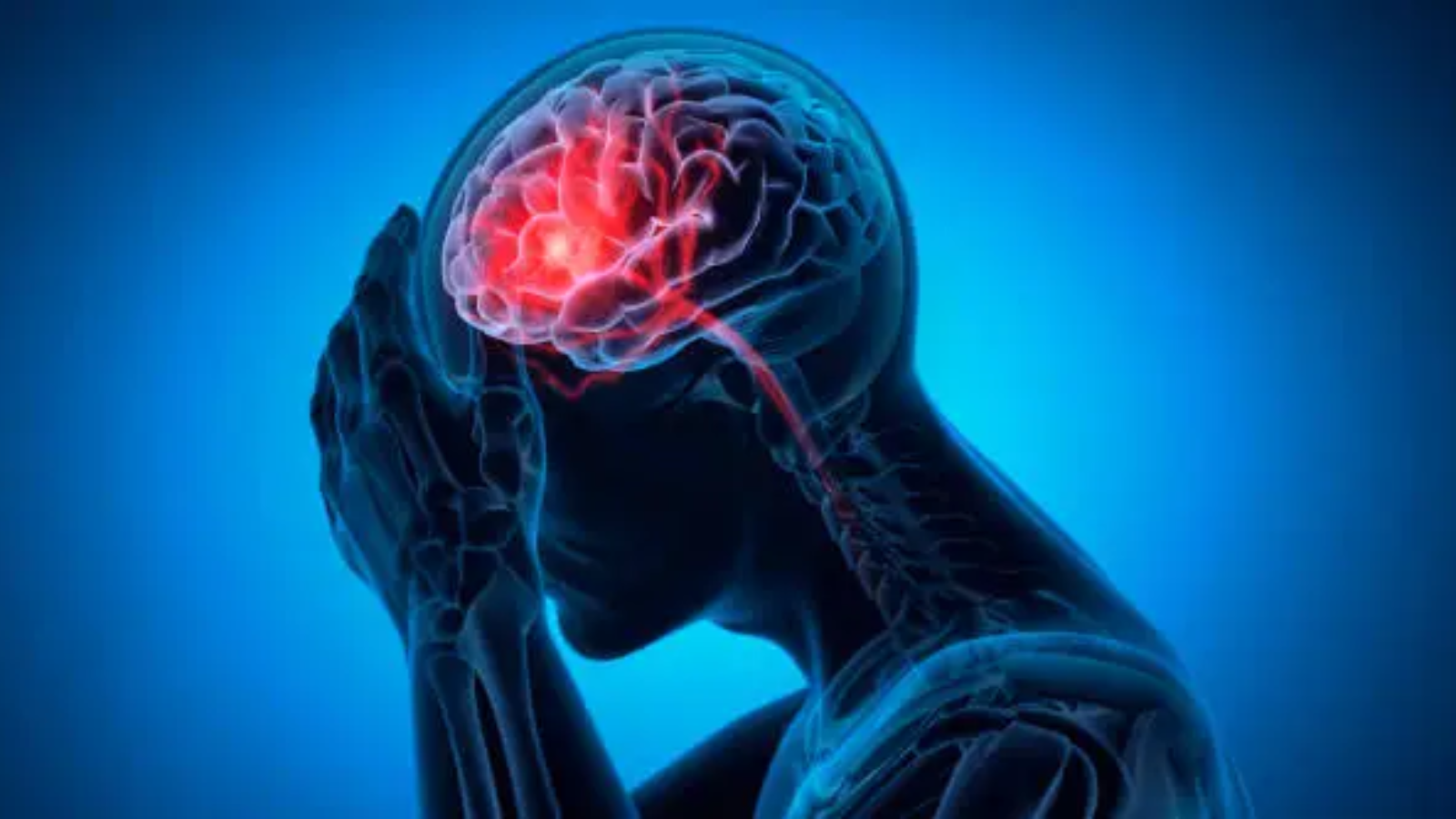
Imagine your brain is like a busy city that needs a constant supply of water to keep everything running.
A stroke happens when the 'water pipes' carrying blood to a part of your brain get blocked or burst.
This means that part of the city doesn't get enough water, and the brain cells there can get hurt.
The good news is that many times, we can help keep those pipes healthy!
By making smart choices about how we live, like eating good food and exercising, we can make it less likely for these blockages to happen.
These choices help keep the blood flowing smoothly to your brain, protecting it from damage.

A brain stroke occurs when blood supply to a part of the brain is interrupted.
Strokes can lead to brain damage or death.
Many strokes are preventable.
Simple lifestyle choices can significantly lower stroke risk.
Preventive measures focus on maintaining healthy blood supply to the brain.
- Who
- Individuals seeking to reduce their risk of stroke
- What
- Preventable measures and lifestyle choices to lower the risk of brain stroke.
- When
- Ongoing
- Where
- General health and wellness
- Why
- To avoid potential brain damage or death caused by interrupted blood supply to the brain.
Existing Summary
New Article
Definition of Stroke
Existing Summary
A brain stroke occurs when blood supply to a part of the brain is interrupted.
New Article
A brain stroke occurs when the blood supply to part of the brain is interrupted.
Consequences of Stroke
Existing Summary
Strokes can lead to brain damage or death.
New Article
leading to potential brain damage or even death.
Preventability
Existing Summary
Many strokes are preventable.
New Article
Many strokes are preventable through simple lifestyle choices.
- Definition of Stroke
- A brain stroke occurs when the blood supply to part of the brain is interrupted.
- Potential Consequences
- Brain damage or death.
- Preventability
- Many strokes are preventable through lifestyle choices.