

Archive · 28 Aug 2026
El Niño Expected to Peak in November or December
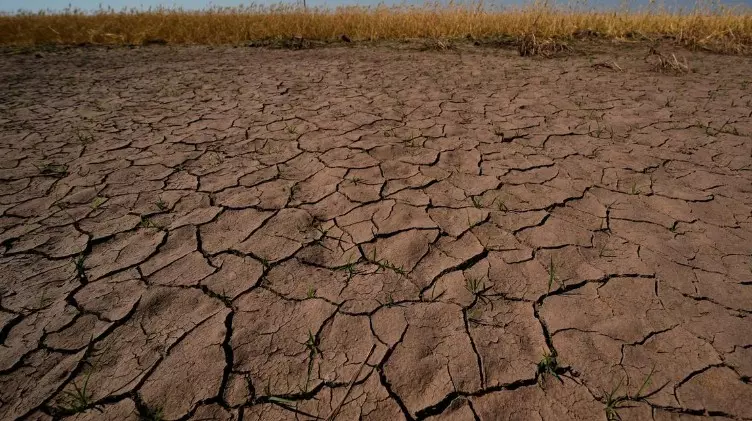
El Niño is a change in ocean temperatures in the Pacific Ocean.
This year, the water is much warmer than usual in several Pacific regions.
The change began developing in the middle of May.
Scientists expect it to reach its strongest point near the end of November or in December.
They do not yet know how long it will continue.
El Niño is already affecting rainfall.
If it lasts into the first half of next year, India’s southwest monsoon could be affected.
After El Niño fades, a La Niña phase may begin and could be more favorable for the monsoon.

The central Pacific El Niño began forming in mid-May and is expected to peak in late November or December.
It could become the strongest El Niño in recorded history, although its eventual strength and duration remain uncertain.
The phenomenon is already severely affecting rainfall, with concerns about next year’s southwest monsoon.
Meteorologists said El Niño could take several months to dissipate after its peak before La Niña begins forming.
NOAA data shows temperatures of +2.9°C in Niño 1+2, +1.7°C in Niño 3, and +1.4°C in Niño 3-4.
- Who
- Meteorologists and the US National Oceanic and Atmospheric Administration are monitoring the El Niño.
- What
- A central Pacific El Niño is strengthening, affecting rainfall and potentially threatening next year’s southwest monsoon.
- When
- It began forming in mid-May and is expected to peak toward the end of November or in December.
- Where
- The phenomenon is occurring across the central Pacific Ocean, including the Niño 1+2, Niño 3, and Niño 3-4 regions.
- Why
- Unusually high Pacific Ocean temperatures are driving the El Niño, which is already severely affecting rainfall.
- Formation
- El Niño began forming in the middle of May.
- Expected peak
- Late November or December.
- Duration
- Scientists are uncertain how long it will last and said it could take months to dissipate after December.
- Niño 1+2 temperature
- +2.9°C, according to NOAA data.
- Niño 3 temperature
- +1.7°C, according to NOAA data.
- Niño 3-4 temperature
- +1.4°C, according to NOAA data.
- Monsoon concern
- If El Niño continues into the first half of next year, India’s southwest monsoon could be affected.