

Archive · 30 Jul 2026
India's 1974 Nuclear Test Changed Global Nuclear Waste Rules
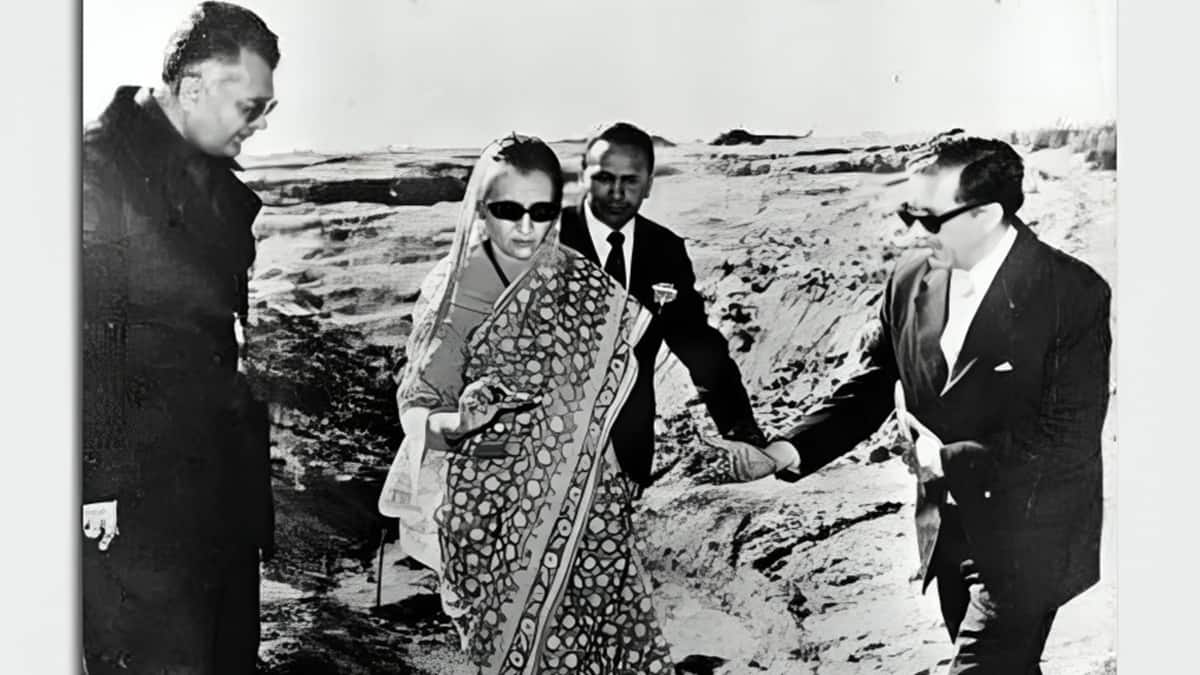
In 1974, India detonated a nuclear bomb at Pokhran using plutonium that had been taken from spent nuclear fuel.
This showed the world that waste from nuclear reactors could be turned into weapons.
Because of this, countries started to be very careful about who could get nuclear reactors and how they were used.
They made new rules to stop the spread of weapons.
Today, the United States still has trouble deciding where to store its nuclear waste, and the lesson from India still influences those decisions.

India's 1974 Pokhran test used reprocessed plutonium, linking civilian waste to weapons.
The test prompted stricter export controls and the creation of the Nuclear Suppliers Group.
It shifted global view that nuclear waste can be a weapons source, not just disposal.
The US still struggles to agree on a national nuclear waste storage site, with Yucca Mountain as sole designated location.
The lesson influences current US policy debates on decentralizing nuclear waste storage.
- Who
- India, US policymakers, Lake Barrett
- What
- 1974 Pokhran nuclear test using reprocessed plutonium and its effect on nuclear waste policy
- When
- May 18, 1974; present US policy debate
- Where
- Pokhran, Rajasthan, India; US nuclear waste sites
- Why
- To demonstrate that civilian reprocessing can produce weapons material, prompting stricter controls
- Event
- India's 1974 Pokhran nuclear test
- Location
- Pokhran, Rajasthan, India
- Date
- May 18, 1974
- Key Actor
- Lake Barrett (former DOE official)
- Impact
- Revised global nuclear waste and export control policies