

Archive · 24 Sep 2026
NSE Listing Brings Rare Test for India's Stock Markets
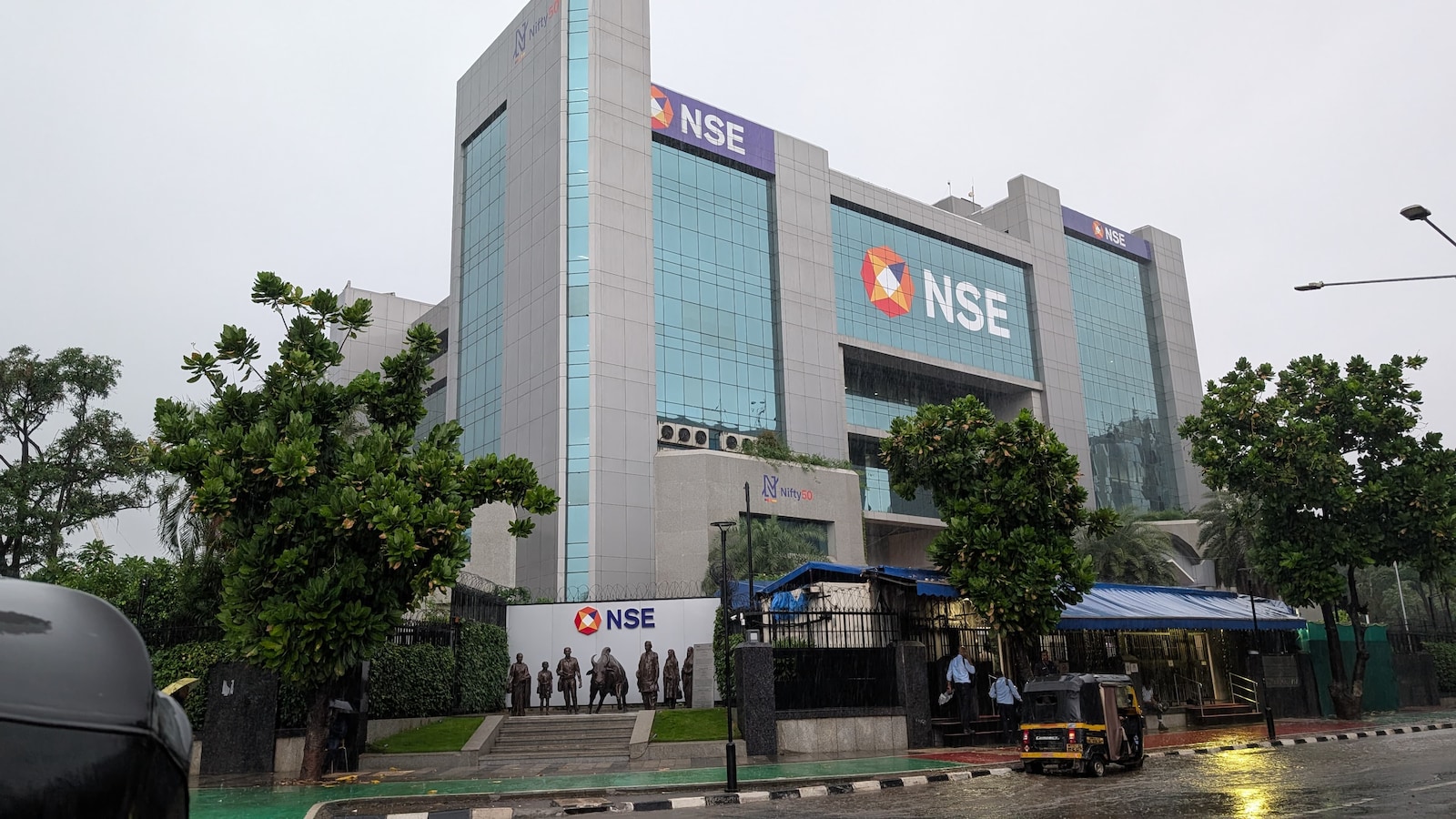
The National Stock Exchange, or NSE, is the place where many people trade investments in India.
It is now becoming a company whose shares the public can buy.
NSE cannot sell its own shares on its own exchange because regulations do not allow that.
Instead, its shares will begin trading on the Bombay Stock Exchange.
The IPO attracted much more demand from large institutions than from individual investors.
The offer raised Rs 22,561.57 crore, but the money goes to existing shareholders selling their shares.
NSE is a very large market business with millions of investor accounts and thousands of listed companies.
Investors will watch whether it can grow while keeping markets fair, reliable and free from conflicts of interest.

The National Stock Exchange of India will list on the Bombay Stock Exchange on September 24, 2026, at 10 a.m.
Its Rs 22,561.57 crore offer for sale was subscribed 5.71 times, with bids exceeding Rs 90,000 crore.
The IPO was priced at Rs 1,785 per share, implying a market capitalisation of about Rs 4.42 lakh crore.
Institutional demand was stronger than retail demand, with qualified institutional buyers subscribing 12.68 times and retail investors 1.39 times.
NSE reported FY26 revenue of Rs 16,601.31 crore and net profit of Rs 10,302.06 crore, both down from the previous year.
- Who
- The National Stock Exchange of India, its existing shareholders, institutional investors and retail investors.
- What
- NSE is launching a Rs 22,561.57 crore initial public offering through an offer for sale and will become a publicly listed company.
- When
- The IPO bidding ended on September 21, 2026; allotment was finalised on September 22, and trading is scheduled to begin on September 24, 2026, at 10 a.m.
- Where
- NSE shares will trade on the Bombay Stock Exchange and will also be listed on the Metropolitan Stock Exchange of India.
- Why
- Regulations prevent a recognised stock exchange from listing its own shares on its own trading platform.
Commercial Growth
Market Accountability
What investors should assess after listing
Commercial Growth
NSE's public listing may support continued commercial growth and will bring attention to its share-price performance and financial results.
Market Accountability
Investors should focus beyond the first-day share price on NSE's ability to maintain reliable systems, manage conflicts of interest and keep markets fair.
Exchange responsibilities
Commercial Growth
As a listed company, NSE will have shareholders and a stronger focus on business performance and growth across trading and market-related services.
Market Accountability
NSE must balance those commercial goals with its responsibility as a major market institution serving millions of investors.
- IPO size
- Rs 22,561.57 crore
- Issue price
- Rs 1,785 per share
- Overall subscription
- 5.71 times
- Implied market capitalisation
- Approximately Rs 4.42 lakh crore
- FY26 operating revenue
- Rs 16,601.31 crore
- FY26 net profit
- Rs 10,302.06 crore
- FY26 cash-market share
- 92.99 per cent of India's cash-market activity