Archive · 23 Sep 2026
Supreme Court Protects Conscientious Objectors in Vande Mataram Case
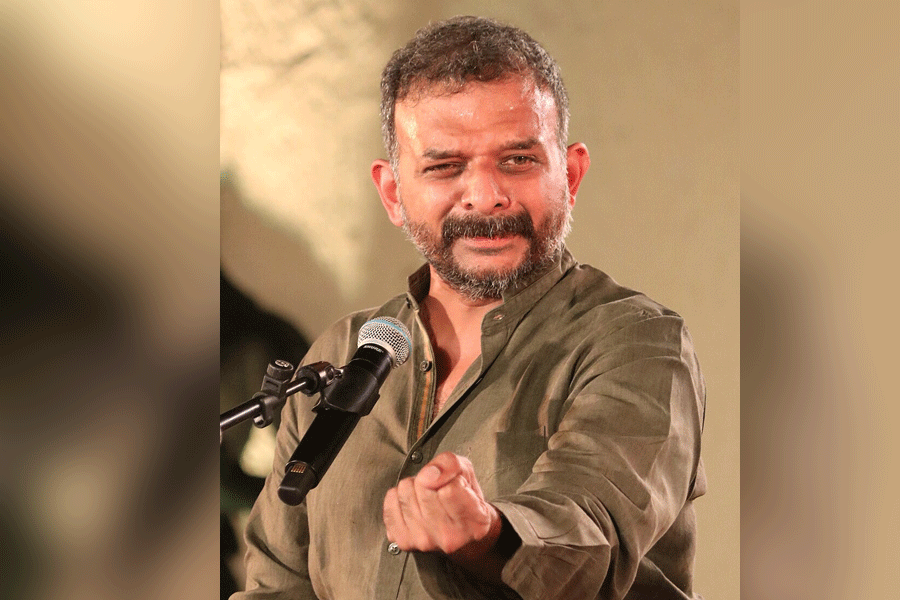
T M Krishna has asked India’s Supreme Court to review rules about singing Vande Mataram.
The rules concern singing all six stanzas of the song.
Krishna says the last four stanzas mention Hindu deities.
He says forcing people to sing them could conflict with India’s secular values and religious freedom.
The court said Vande Mataram is the national song.
However, it said people who respectfully refuse for reasons of conscience should not be punished.
The judges referred to an earlier case protecting children who declined to sing the national anthem.
The court will consider whether the law’s penalties protect constitutional rights.
The dispute is also connected to disagreements over whether two or all six stanzas should be sung at official events.

The Supreme Court asked the Centre to respond to T M Krishna’s challenge to a law involving six-stanza Vande Mataram singing.
The bench said conscientious objectors, including those refusing on religious grounds, should not face penal consequences.
Krishna argues that the final four stanzas invoke Hindu deities and that compulsory singing violates secularism and religious freedom.
The petition challenges the 2026 amendment to the Prevention of Insults to National Honour Act and related Ministry of Home Affairs directions.
The court said Vande Mataram’s status as the national song is not in dispute, while the legality of punishment remains under examination.
- Who
- Carnatic vocalist T M Krishna filed the petition; a Supreme Court bench headed by Chief Justice Surya Kant heard it, with the Centre represented by Solicitor General Tushar Mehta.
- What
- The petition challenges the requirement and penal framework concerning singing all six stanzas of Vande Mataram.
- When
- The Supreme Court heard the matter on Tuesday; the articles identify the challenged amendment and directions as dating from 2026.
- Where
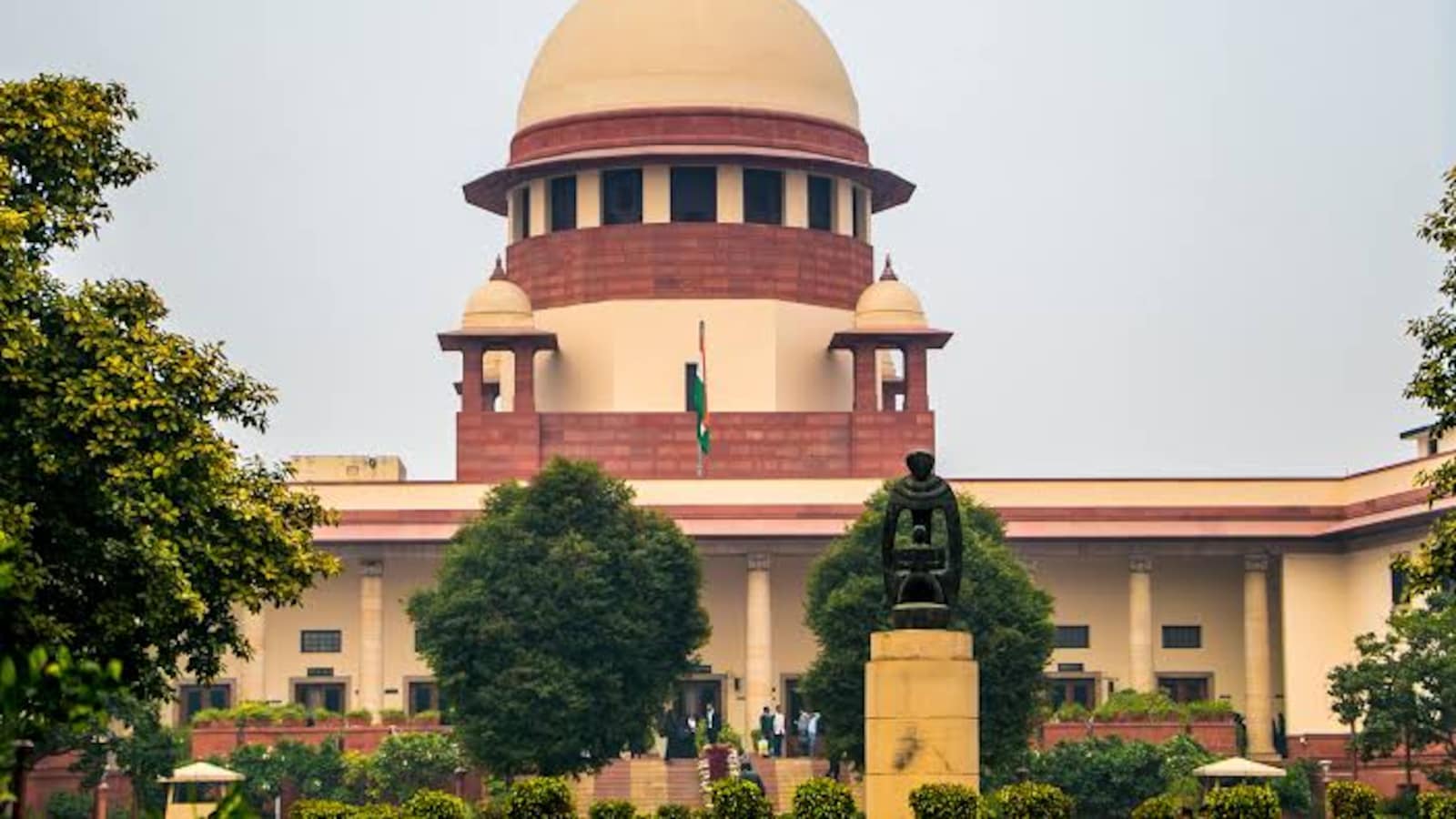
- The matter was heard in the Supreme Court of India in New Delhi.
- Why
- Krishna argues that the final four stanzas invoke Hindu deities and that compulsory singing and related penalties may violate secularism, freedom of conscience, personal liberty, and religious freedom.
Challenge to compulsory singing and penalties
State authority over national symbols
Religious freedom and conscience
Challenge to compulsory singing and penalties
Krishna argues that the final four stanzas invoke Hindu deities, so forcing people to sing them may violate secularism, freedom of conscience, and religious freedom.
State authority over national symbols
The Centre argued that secularism should not be interpreted narrowly, while the court said the state may decide national sentiments and the national song but must comply with constitutional protections.
Punishment for refusal
Challenge to compulsory singing and penalties
The petition challenges the application of penal provisions to Vande Mataram as arbitrary and harmful to personal liberty.
State authority over national symbols
The Centre opposed issuing notice, but the court indicated that the 1986 Bijoe Emmanuel ruling should govern the amended law, protecting conscientious objectors from criminal consequences.
Number of stanzas
Challenge to compulsory singing and penalties
Krishna’s petition challenges treating the complete six-stanza version as the official version and says the established understanding concerned the first two stanzas.
State authority over national symbols
The court said it was not deciding what constitutes the national song, and the Union Home Ministry directed that all six stanzas be sung before the National Anthem when both are played together.
- Petitioner
- Carnatic vocalist T M Krishna
- Bench
- Chief Justice Surya Kant and Justices Joymalya Bagchi and V Mohana
- Challenged requirement
- Singing all six stanzas of Vande Mataram
- Challenged law
- Section 3 of the Prevention of Insults to National Honour Act, 1971, as amended in 2026
- Potential penalty
- Up to three years’ imprisonment, a fine, or both for intentionally preventing or disturbing singing of the National Anthem or national song
- Constitutional provisions
- Articles 25 and 26, concerning freedom of religion
- Court’s stated position
- Vande Mataram’s status as the national song is not in dispute, but penal consequences may be examined
- Related political dispute
- The Union Home Ministry directed all six stanzas before the National Anthem when both are played together, while Karnataka directed two stanzas at most government programmes