

Archive · 3 Jul 2025
Concerns Emerge Over Radical Influence on Muslim Youth in India
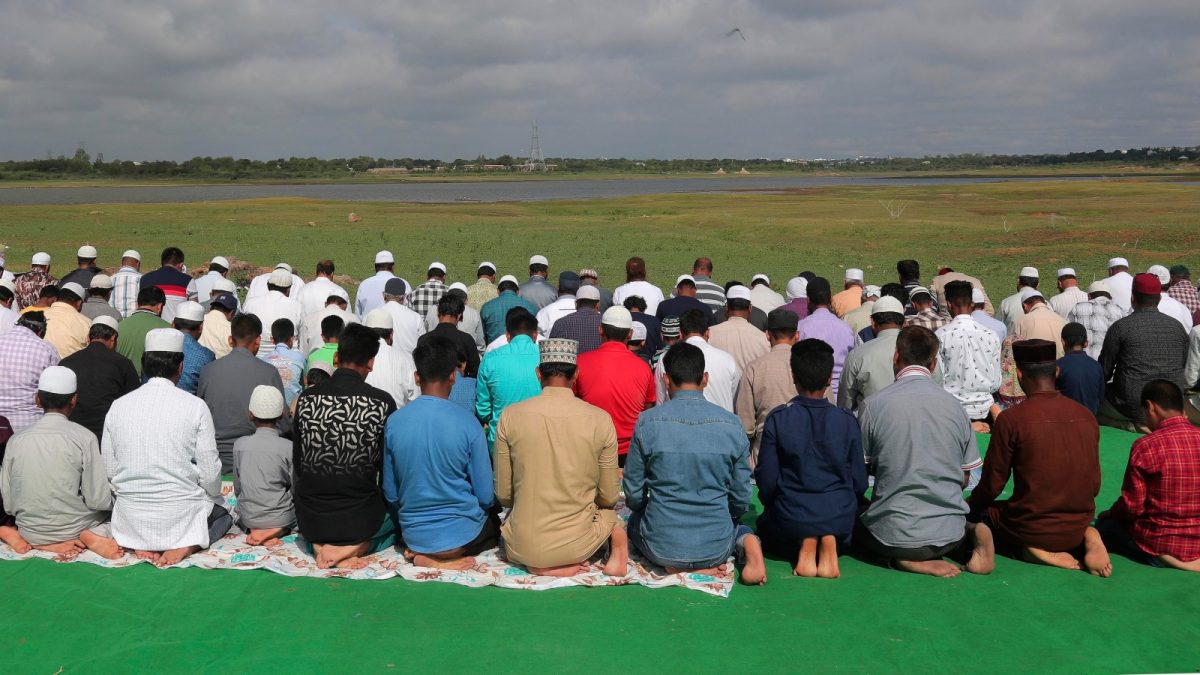
Some groups in India are teaching young Muslims ideas that might make them feel separate from the rest of the country.
Groups like Jamaat-e-Islami and Tablighi Jamaat have different ways of doing this.
JeI wants an Islamic state, while Tablighi Jamaat focuses on strict religious practices.
Both use online platforms and personal connections to spread their ideas, creating environments where people may start to question things like democracy and integration.
The article says that this is a big problem for India's values, and it suggests the need for different actions, such as promoting inclusive ideas and having the government work with moderate Muslim voices.

Organizations like Jamaat-e-Islami and Tablighi Jamaat are influencing Muslim youth in India.
JeI, a political movement, seeks to establish an Islamic state governed by Sharia.
Tablighi Jamaat focuses on personal piety and evangelism, promoting a rigid, anti-modernist view.
Both groups create echo chambers and use digital platforms to spread their ideologies.
Counter-narratives, inclusive Islamic scholarship, and government engagement are needed to combat radicalization.
- Who
- Jamaat-e-Islami and Tablighi Jamaat
- What
- Concerns about how certain Muslim organizations are influencing young Muslims in India.
- When
- Last Updated: July 03, 2025
- Where
- India
- Why
- To examine how the ideologies of these groups can lead to exclusivism, isolationism, and potentially, extremism among Muslim youth.
Advocates for Current Approach
Critics of Current Approach
Risk of Radicalization
Advocates for Current Approach
Not explicitly stated.
Critics of Current Approach
Current approach leads to potential risks, including radicalization and challenging secular values.
- Organizations Discussed
- Jamaat-e-Islami (JeI) and Tablighi Jamaat
- JeI Focus
- Political interpretation of Islam, establishing an Islamic state.
- Tablighi Jamaat Focus
- Personal piety, Islamic evangelism (dawah).
- Methods of Influence
- Ideological frameworks, influence networks, student wings, digital platforms.
- Potential Outcomes
- Exclusivism, isolationism, and extremism.
- Countermeasures Needed
- Inclusive Islamic scholarship, mentorship, monitoring propaganda, state engagement.