

Archive · 12 Jun 2025
India's Census Must Improve Disability Data Accuracy
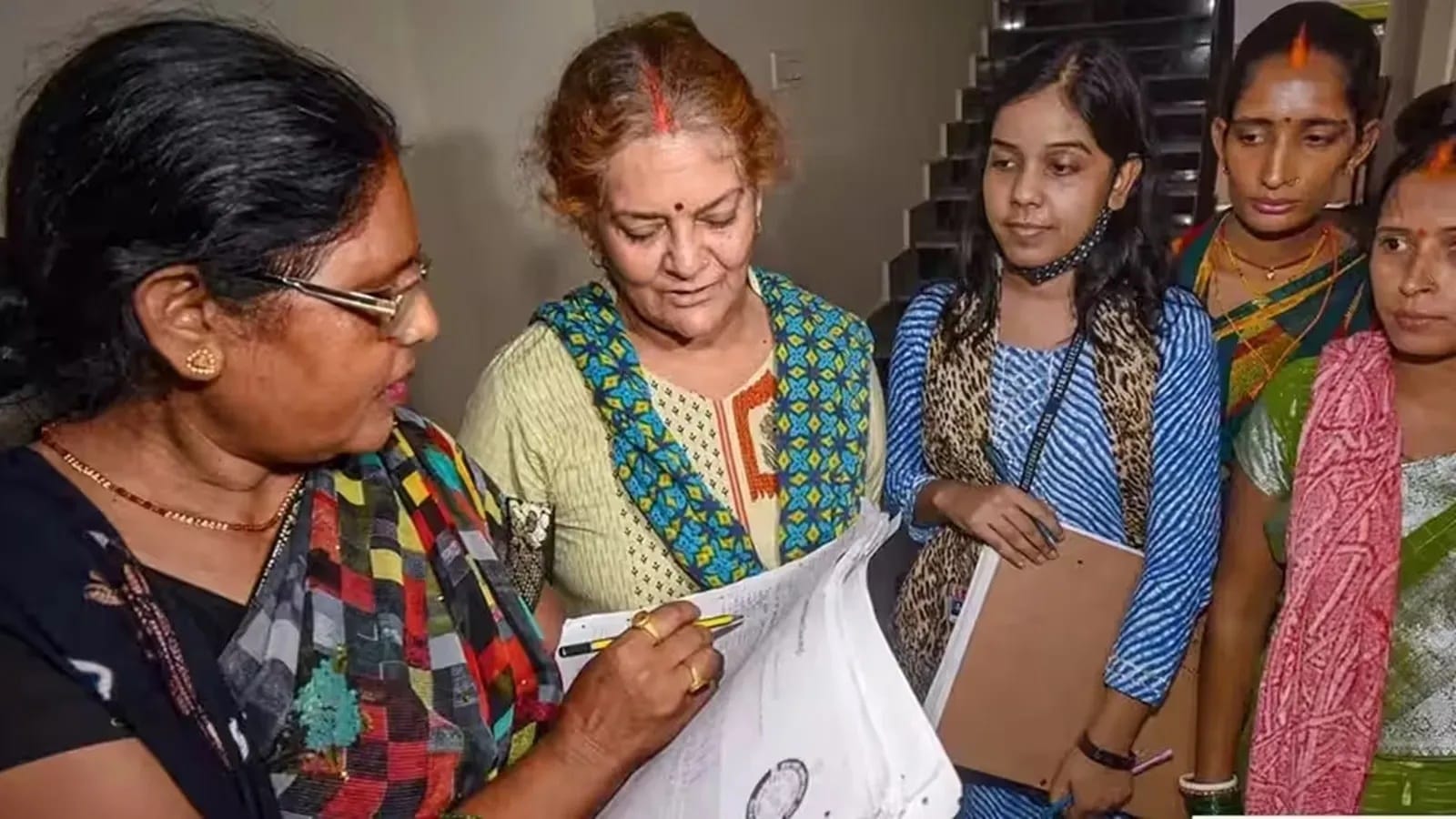
Imagine the government counts everyone to understand the country.
For a long time, they didn't do a good job of counting people with disabilities.
Early counts were unclear and didn't ask the right questions.
People were afraid to share this information, and the people counting weren't trained well.
Even when they tried to improve, the counts were still wrong.
The upcoming count wants to include more types of disabilities, but needs to be more careful.
They need to define disabilities clearly, reduce stigma, and properly train those who collect the data so they count everyone accurately.

The Indian Census has historically undercounted persons with disabilities (PwDs).
Early censuses lacked clear definitions and suffered from enumerator training issues and stigma.
The 1981 and 1991 censuses faced criticism for underrepresentation of disabled people.
The forthcoming Census aims to enumerate 21 types of disabilities, as per the 2016 Act.
To ensure accurate data, the Census must address issues related to definitions, stigma, and training.
- Who
- Persons with disabilities (PwDs), census enumerators, and the Indian government.
- What
- The historical and ongoing challenges in accurately counting persons with disabilities (PwDs) in the Indian Census and the need for improvements in the upcoming census.
- When
- The article discusses historical censuses from 1872 onward, with a focus on the upcoming census in 2027.
- Where
- India
- Why
- To ensure accurate representation and allocation of resources for people with disabilities.
- Next Census Reference Date
- March 1, 2027 (most states), October 1, 2026 (Himalayan regions)
- First Indian Census
- 1872
- Disabilities in 1881 Census
- Unsoundness of mind, deaf-mutism, blindness, and leprosy
- 1995 Act
- Persons with Disabilities (Equal Opportunities, Protection of Rights and Full Participation) Act
- Categories in 2011 Census
- 8
- Proposed Categories in Forthcoming Census
- 21