

Archive · 28 Jun 2025
Hyderabadi Lukhmi: A Traditional Snack Fading from Menus
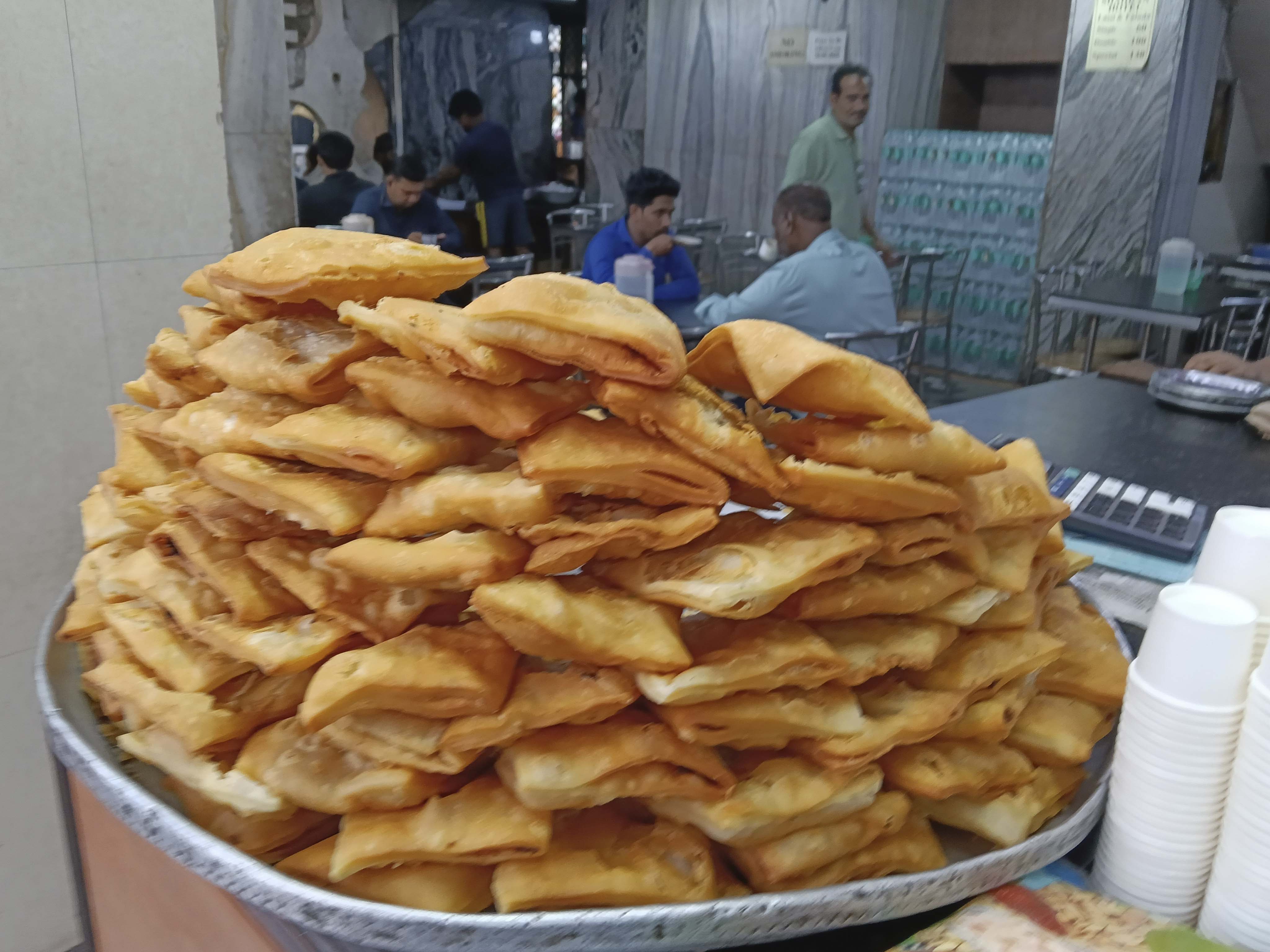
Lukhmi, a tasty snack from Hyderabad, used to be everywhere in the city's cafes, like a famous dish.
It was a must-have for weddings, too!
But now, it's becoming less popular.
Cafes that used to sell hundreds a day now sell only a few because people want newer snacks.
Even though it's delicious, young people want things that are quicker and trendier.
It's a change in what people like to eat, showing how the city's tastes are changing from the old ways.

Lukhmi, a traditional Hyderabadi snack, is declining in popularity at Irani cafes.
Once a staple, Lukhmi sales have decreased significantly in places like Madina Hotel.
Younger generations are opting for modern snacks like samosas and bun maska.
Lukhmi's origins trace back to Persian cuisine, gaining prominence during the Asaf Jahi period.
The decline of Lukhmi reflects a shift in culinary preferences and cultural traditions.
- Who
- Lukhmi, traditionally sold at Irani cafes, is losing popularity among customers.
- What
- The decline in popularity of Lukhmi, a traditional Hyderabadi snack, in Irani cafes.
- When
- The decline has been ongoing, with a noticeable drop in sales since the early 2000s.
- Where
- Hyderabad, particularly in the Old City near Charminar.
- Why
- Due to changing tastes, with younger generations preferring modern snacks.
Traditionalists
Modern Palates
Flavor preference
Traditionalists
Lukhmi is a part of the cultural heritage and a traditional dish that should be preserved.
Modern Palates
Modern snacks, like samosas and bun maska, are quicker, lighter, or trendier.
- What is Lukhmi?
- A flaky, crunchy, savory dish.
- Traditional Filling
- Spiced minced meat (kheema) or a vegetable mix.
- Original Use
- A must-have starter at Hyderabadi weddings and a staple in Irani cafes.
- Decline in Sales
- Down from 300-400 pieces daily to 30-50 at Madina Hotel.
- Popular Alternatives
- Osmania biscuits, samosas, and bun maska.
- Lukhmi Price
- Vegetarian: 15 rupees; Non-vegetarian: 20 rupees.
- Origin
- Persian cuisine, during the Asaf Jahi period.