

Archive · 23 Jul 2026
Mosquito Bites Can Cause Brain Inflammation
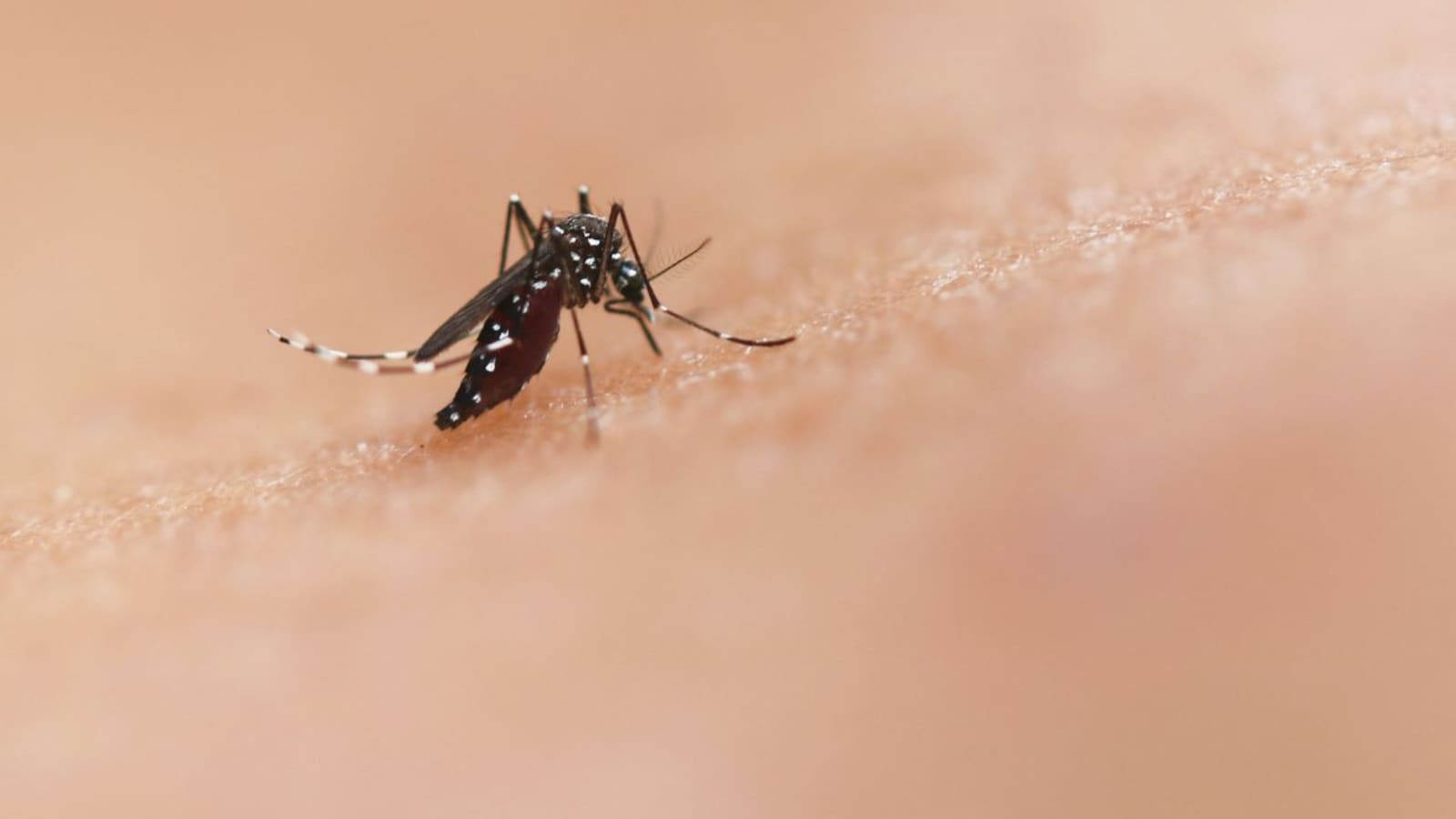
Mosquito bites can sometimes lead to brain inflammation, known as encephalitis.
This happens when infected mosquitoes transmit viruses like West Nile or Japanese encephalitis into the bloodstream.
These viruses can cause the brain to swell, leading to symptoms like fever, headache, confusion, and seizures.
While severe cases are rare, early recognition and treatment are crucial.
Preventing mosquito bites by wearing protective clothing, using repellents, and eliminating stagnant water can help reduce the risk of infection.
If you experience severe symptoms like high fever, persistent vomiting, or confusion, seek immediate medical attention.

Mosquito bites can transmit viruses that cause brain inflammation (encephalitis).
Symptoms include fever, headache, confusion, seizures, and neurological issues.
High-risk groups include young children, adults over 60, and those with weakened immune systems.
Diagnosis involves blood tests, brain scans, and spinal fluid examination.
Treatment focuses on supportive care, including hospitalization, fluids, and fever management.
Prevention includes wearing protective clothing, using repellents, and eliminating mosquito breeding sites.
- Who
- People, especially young children, adults over 60, and those with weakened immune systems.
- What
- Mosquito-borne viruses causing brain inflammation (encephalitis).
- When
- During and after the monsoon season.
- Where
- Areas with mosquito-borne viruses, particularly in regions with Japanese encephalitis.
- Why
- Infected mosquitoes transmit viruses that can cause brain inflammation.
Preventive Measures
Treatment Options
Prevention
Preventive Measures
Wearing full-sleeved clothing, using mosquito repellents, and eliminating stagnant water are effective preventive measures.
Treatment Options
There is no specific cure for many mosquito-borne viral encephalitis infections, but supportive care is crucial.
- Causes
- Mosquito-borne viruses like West Nile, Japanese encephalitis, and Eastern equine encephalitis.
- Symptoms
- Fever, headache, fatigue, body aches, nausea, vomiting, severe headache, high fever, persistent vomiting, confusion, excessive drowsiness, difficulty speaking, seizures, stiff neck, weakness in arms or legs, loss of consciousness.
- High-Risk Groups
- Young children, adults over 60, people with weakened immune systems, individuals with chronic medical conditions, those living or working in mosquito-prone areas.
- Diagnosis
- Blood tests, MRI or CT scan of the brain, lumbar puncture, PCR tests.
- Treatment
- Hospitalization, fluids and nutritional support, fever management, anti-seizure medications, intensive care for severe cases.
- Prevention
- Wearing full-sleeved clothing, using mosquito repellents, sleeping under mosquito nets, installing window screens, eliminating stagnant water, covering water storage tanks, community mosquito-control measures, vaccination in high-risk areas.