

Archive · 30 Sep 2026
Woman Wins $300,000 NASA Prize for Mars Food Challenge
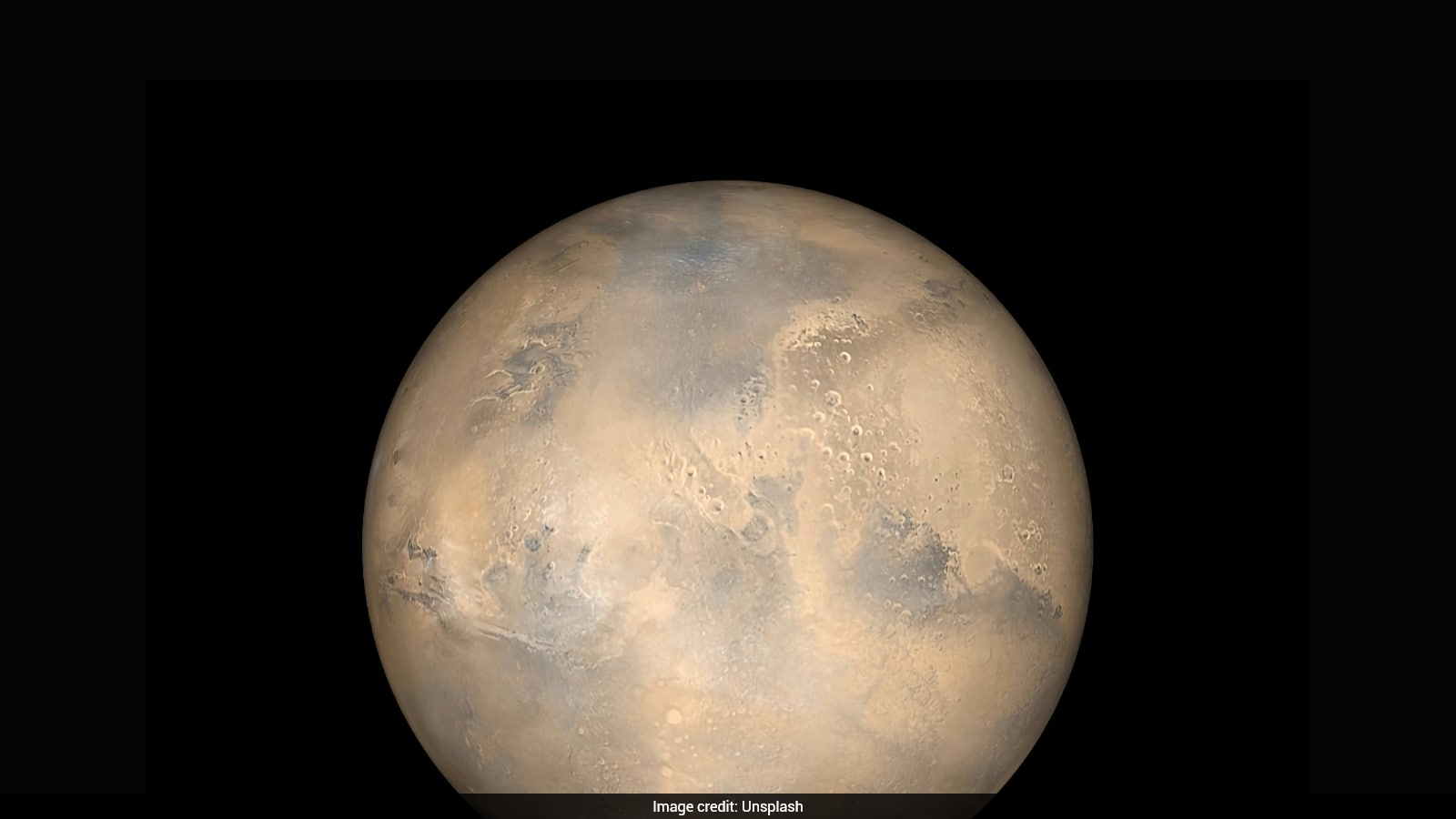
NASA wants to send people to Mars in the 2030s.
A trip there and back could take about three years.
Astronauts would need enough healthy food for a very long time.
Food shipped from Earth can lose vitamins and flavor.
NASA held a competition to find better ways to feed a Mars crew.
Chinyere Ukeje won the top prize of $300,000.
Her idea is called the Adaptive Nourishment Infrastructure.
It would help astronauts grow, cook, and eat fresh meals.
The system could continue working even if supplies or workers suddenly became limited.

Chinyere Ukeje, a 25-year-old computer scientist and designer, won NASA’s top Mars to Table prize.
Her winning Adaptive Nourishment Infrastructure concept is designed to help crews grow, prepare, and eat fresh meals on Mars.
NASA’s challenge sought food systems for 15 astronauts over 500 Martian sols, or about 513 Earth days.
Ukeje’s modular system is intended to keep functioning during shortages of power, water, equipment, or crew labor.
More than 100 entries from 28 states and 33 countries competed for the prize.
- Who
- Chinyere Ukeje won NASA’s Mars to Table competition’s top prize.
- What
- She designed the Adaptive Nourishment Infrastructure, a flexible food system for Mars missions.
- When
- The potential crewed Mars mission is targeted for the 2030s; the article does not give the award date.
- Where
- The food system would be used during a crewed mission to Mars; Ukeje is from Northeast Philadelphia.
- Why
- NASA is seeking ways to provide nutritious, fresh food during a lengthy Mars mission despite limited supplies and resources.
- Prize
- $300,000
- Winner
- Chinyere Ukeje
- Winning concept
- Adaptive Nourishment Infrastructure (ANI)
- Challenge name
- Deep Space Food Challenge: Mars to Table
- Crew requirement
- Food systems supporting 15 people
- Mission duration target
- 500 Martian sols, approximately 513 Earth days
- Competition field
- More than 100 entries from 28 states and 33 countries