

Archive · 25 Nov 2025
Climate and Culture Shape Global Cuisines
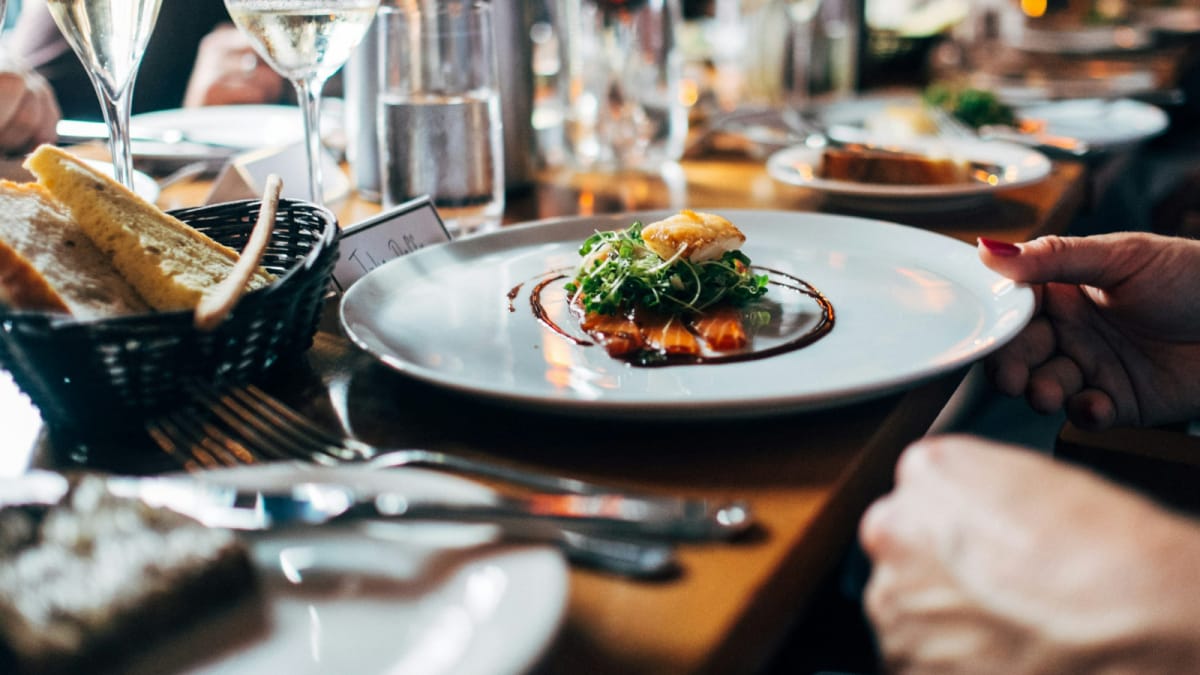
This article explains how the food we eat is shaped by the climate and culture of the places where it comes from.
In hot and humid regions like India, people use fresh herbs and spices, while in colder places like Norway, they preserve food by smoking or salting it.
Culture also plays a big role, as religious practices, traditions, and history influence how food is prepared and enjoyed.
Today, modern kitchens blend these traditional flavors with new ideas, creating a mix of old and new tastes.
The article reminds us that every dish tells a story about the land, the weather, and the people who made it.

Climate determines the ingredients available in a region and influences preservation methods.
Cultural practices, including religious rituals and traditions, shape how ingredients are used in cuisine.
Global cuisines are a blend of traditional roots and modern influences, reflecting both heritage and innovation.
Chefs highlight the importance of understanding the past to create deeply personal and meaningful culinary experiences.
Every dish is a reflection of geography, climate, memory, and history, serving as a record of human adaptation and imagination.
- Who
- Chefs and culinary experts discussing the influence of climate and culture on cuisine
- What
- The impact of climate and culture on the development of global cuisines
- When
- November 25, 2025
- Where
- Delhi, India
- Why
- To explore how geography, climate, and cultural practices shape the flavors and traditions of different cuisines
- Article Title
- Why We Eat The Way We Do: The Climate–Culture Connection Behind Every Cuisine
- Author
- News18.com
- Publication Date
- November 25, 2025
- Location
- Delhi, India
- Key Themes
- Climate, Culture, Cuisine, Geography, Tradition