

Archive · 25 Jul 2026
Khandapatua: Odisha's 800-Year-Old Folk Art for Lord Jagannatha
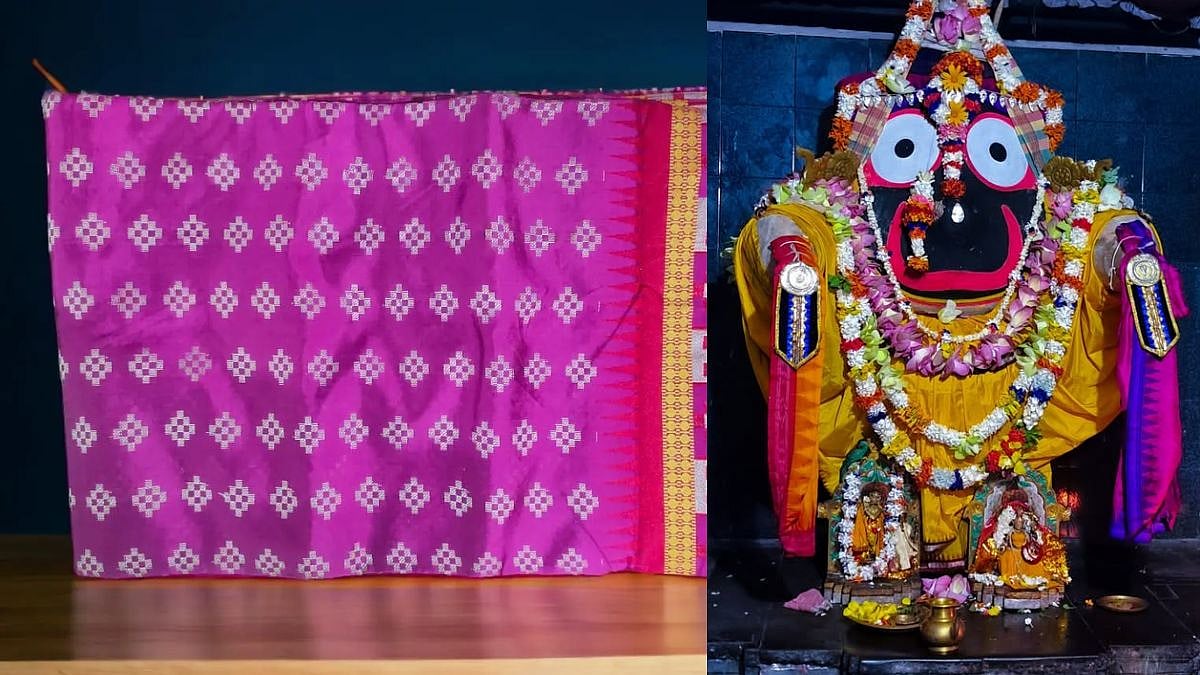
Khandapatua is a very old art form from Odisha, India.
It tells stories about Lord Jagannatha using painted cloth and songs.
Artists travel from village to village, singing and showing these painted stories.
This art is special because it is only made for Lord Jagannatha and his siblings.
It helps keep the stories and traditions of Lord Jagannatha alive, especially in rural areas.
Khandapatua is very important for the culture and religion of Odisha.

Khandapatua is an 800-year-old folk art from Odisha, India.
It combines painted cloth, music, and storytelling to depict Hindu mythology.
Artists perform by singing and unfolding illustrated panels during their shows.
The art is exclusively made for Lord Jagannatha and his siblings.
It plays a vital role in preserving and spreading the teachings of Lord Jagannatha.
- Who
- Khandapatua artists and devotees of Lord Jagannatha
- What
- Khandapatua is a folk art tradition involving painted cloth and devotional songs.
- When
- Practiced for over 800 years, particularly during religious festivals like Rath Yatra.
- Where
- Primarily in Odisha, India, especially in Puri.
- Why
- To preserve and spread the teachings and traditions of Lord Jagannatha.
Traditionalists
Modernists
Preservation of Tradition
Traditionalists
Khandapatua should be preserved as a sacred art form tied to religious rituals and cultural heritage.
Modernists
Khandapatua should evolve with modern times to stay relevant and accessible to younger generations.
- Origin
- Odisha, India
- Age
- 800 years old
- Primary Use
- Ritual attire for Lord Jagannatha
- Art Form
- Painting, music, and oral storytelling
- Significance
- Preserves Hindu mythology and cultural heritage