1 day ago
Local Governance Debate Raises Fresh Fears of De-Democratisation
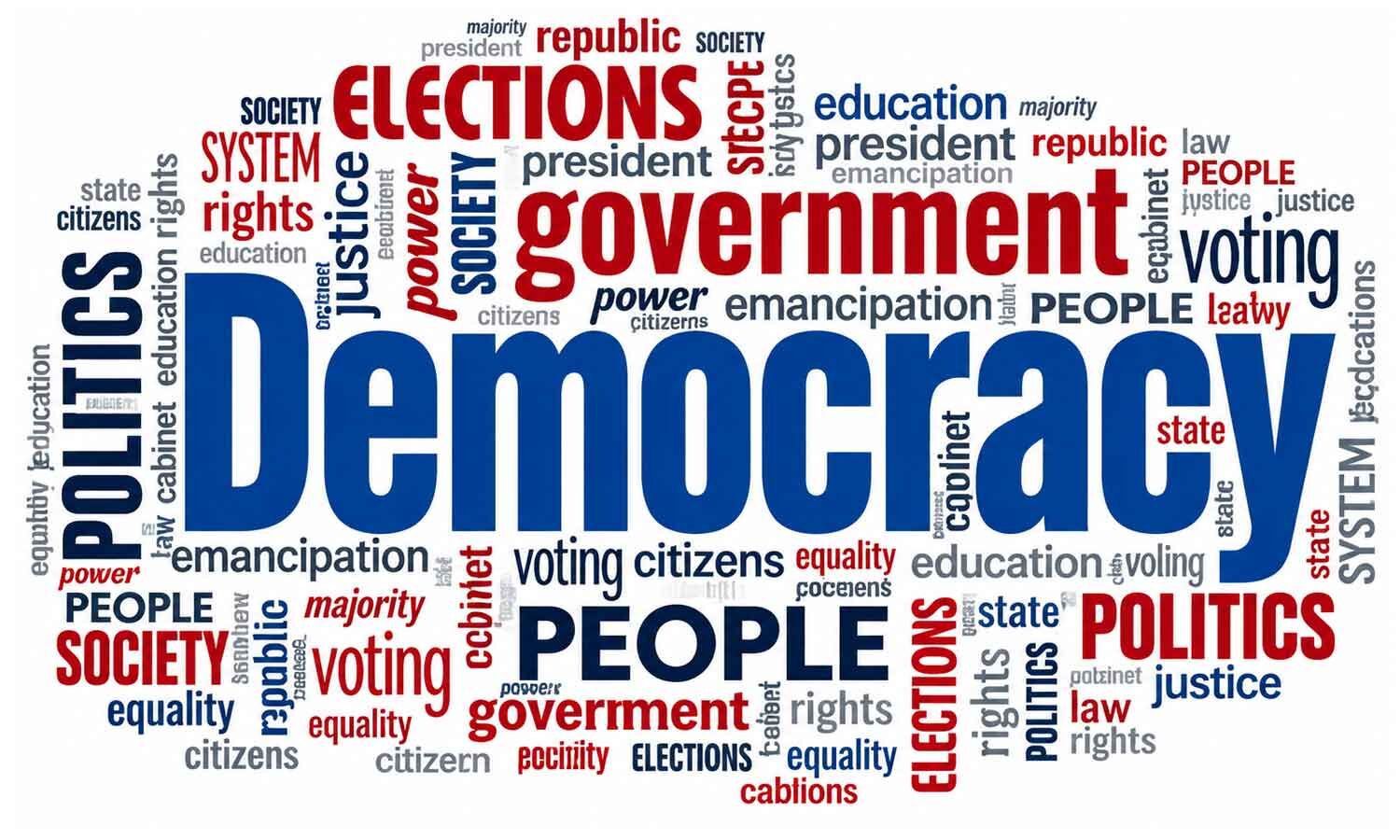
The article says democracy should mean more than voting on election day.
It argues that elected representatives should help people make decisions in their villages and districts.
Local institutions were created so communities could manage issues such as roads, health centers and cooperative societies.
The writer describes a three-tier local-government idea associated with Belvantarai Mehta in 1957.
The Panchayati Raj system later gave local bodies roles led by sarpanchs, panchayat samitis and Zilla Parishad chairpersons.
The article says local governance worked better before state and national politicians gained greater influence over it.
It also says local elections increasingly became contests between political parties rather than efforts to improve communities.
The writer believes voters should have a stronger role after elections, not remain silent spectators.
The article asks readers to protect democracy from becoming weaker or less democratic.

The writer argues that legislative debates often prioritize rhetoric, personal disputes and party rivalry over substantive lawmaking.
The article advocates stronger local self-government through village, district and other decentralized institutions.
It credits Belvantarai Mehta’s 1957 committee with outlining a three-tier model that influenced the Panchayati Raj system.
The writer says the involvement of MLAs and MPs turned local institutions into arenas for party influence and political strength.
Ahead of local elections in some states, the article asks whether democratic values have been preserved from the grassroots upward.
- Who
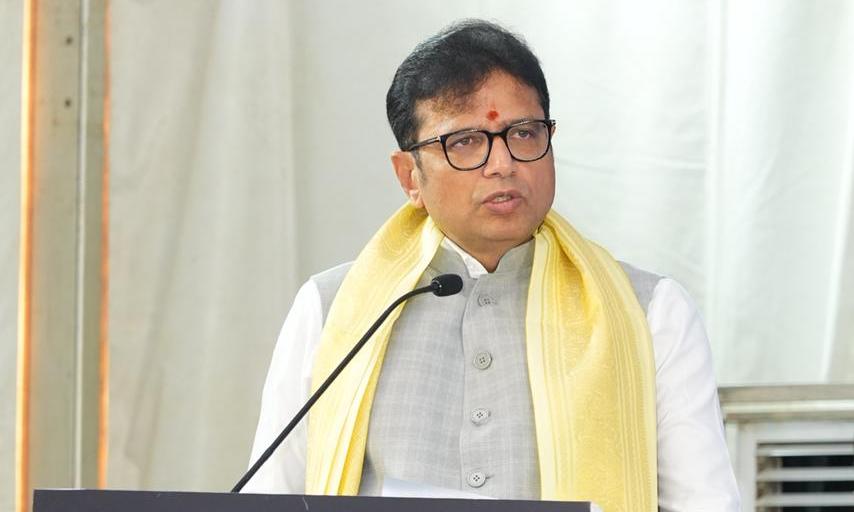
- The writer, a retired Indian Police Service officer and former Additional Director General of Police of Andhra Pradesh, discusses voters, lawmakers, political parties and local representatives.
- What
- The article examines the weakening of legislative debate and local self-government, warning against the de-democratisation of governance.
- Where
- The issue is discussed in the context of India, particularly Andhra Pradesh, villages, districts and local governing institutions.
- When
- The discussion refers to the period since the 1957 decentralization blueprint, later Panchayati Raj reforms, and upcoming local elections in some states.
- Why
- The writer argues that excessive political-party influence and centralization have reduced meaningful public participation in local governance.
Decentralization Advocates
Centralized Party Control
Where decisions should be made
Decentralization Advocates
Village and district communities should make decisions through local institutions and directly shape development.
Centralized Party Control
The article describes a system in which higher-level political figures increasingly administer and influence local bodies.
Role of political parties
Decentralization Advocates
Local elections should focus on development and may work better on a party-less basis, as T Anjaiah proposed.
Centralized Party Control
Political parties treat local elections as demonstrations of party strength and resist removing party competition.
Meaning of democracy
Decentralization Advocates
Citizens should remain involved after voting and exercise meaningful self-rule through local representatives.
Centralized Party Control
In the writer’s criticism, citizens are often reduced to voters who vote once and then watch governance as silent spectators.
Key facts
- Central issue
- Whether democracy and local self-government are being weakened by political centralization and party control.
- 1957 development
- A committee led by Belvantarai Mehta reportedly prepared a blueprint for democratic decentralization through a three-tier system.
- Panchayati Raj roles
- The system included Zilla Parishad chairpersons, panchayat samitis and sarpanchs as heads of local bodies.
- Local responsibilities
- The article identifies roads, primary health centers and cooperative societies as areas that could be managed through local institutions.
- Political influence
- The writer says MLAs and MPs became advisers within local bodies and increased party influence over them.
- Party-less elections
- T Anjaiah attempted to hold local-body elections without party affiliation, but political parties opposed the move and it was later withdrawn.
- Current concern
- With local elections approaching in some states, the article calls for renewed consideration of democratic values from the grassroots upward.
Sources
Related news

Readers Debate Democratic Accountability and Revanth Reddy’s US Visit

BJP Leader Sanjay Tandon Warns Against Parliamentary Disruptions

CPM Rejects Direct Elections for Local Body Top Posts
Om Birla, Rajasthan Leaders Urge Voting in Civic Polls
Kerala CPI(M) Meet Puts Pinarayi Vijayan Era Under Fire
Ex-MLA Says Village Development Declining Under Congress Rule
Hyderabad to Manufacture Advanced Net-Zero Green Toilets

Revanth Reddy Challenges KCR Over Telangana Government Performance Debate

Republic Day Celebrations Across Hyderabad
Hyderabad Sees Road Safety Drive, Murder, and Liquor Shop Dispute