

Archive · 19 Jul 2026
Iran Escalates Conflict Over Hormuz Control
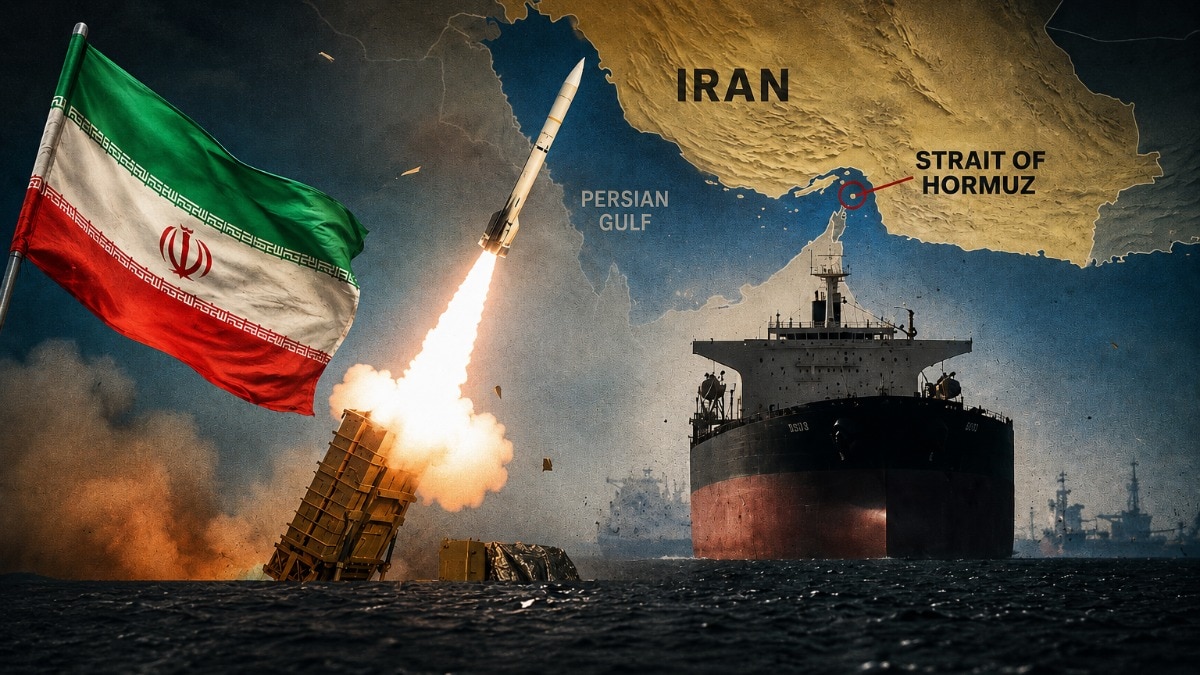
Iran and the United States are in a conflict over control of the Strait of Hormuz, a very important place for oil shipping.
Iran thinks controlling Hormuz gives them power in talks with the US.
They believe that if they give up control, they will have nothing to bargain with.
The US, on the other hand, wants to stop Iran from blocking oil ships.
Recently, a peace agreement between them fell apart, and both sides have been attacking each other.
Iran's leader has warned the US that there will be serious consequences if the attacks continue.

Iran views control over the Strait of Hormuz as crucial for its negotiating leverage with the US.
The Islamabad Memorandum of Understanding (MoU) collapsed after Iran attacked ships in the Strait of Hormuz.
The US launched airstrikes against Iran to punish the IRGC and reduce Iran's ability to restrict oil traffic.
Iran's Supreme Leader warned the US of severe consequences if attacks continue.
Since the war began, 16 American service members have been killed and more than 430 injured.
- Who
- Iran and the United States
- What
- Escalation of conflict over control of the Strait of Hormuz
- When
- Recent events following the collapse of the Islamabad MoU on June 17
- Where
- Strait of Hormuz, Iran, and Iraq
- Why
- Iran seeks to maintain leverage in negotiations; the US aims to protect global oil supplies and retaliate against Iranian attacks.
Iran's Perspective
US Perspective
Escalation Strategy
Iran's Perspective
Iran believes escalation is necessary to force the US into meaningful negotiations and secure a broader nuclear deal that provides security guarantees and economic relief.
US Perspective
The US views Iran's escalation as a breach of agreements and a threat to global oil supplies, necessitating retaliatory strikes to protect its interests and allies.
Control Over Hormuz
Iran's Perspective
Iran sees control over the Strait of Hormuz as critical to its negotiating leverage and is unwilling to relinquish it.
US Perspective
The US aims to reduce Iran's ability to restrict oil tanker traffic through the Strait of Hormuz, viewing it as a strategic necessity to maintain global oil supplies.
- Strait of Hormuz
- One of the world's most strategically important maritime chokepoints, accounting for roughly 20% of global oil supplies before the war.
- Islamabad Memorandum of Understanding (MoU)
- A 14-point agreement signed by the US and Iran on June 17 to end the West Asia conflict, which collapsed after Iran attacked ships in the Strait of Hormuz.
- US Strikes
- The US launched airstrikes against Iran to punish the IRGC for attacks in Jordan and to reduce Iran's ability to restrict oil tanker traffic through Hormuz.
- Iranian Casualties
- Since the war began, 16 American service members have been killed and more than 430 injured.
- Iranian Response
- Iran's Supreme Leader warned the US of 'unforgettable lessons' if it continued attacking Iran.