

Archive · 9 Aug 2025
Financial Advice: What to Do With an Old House?
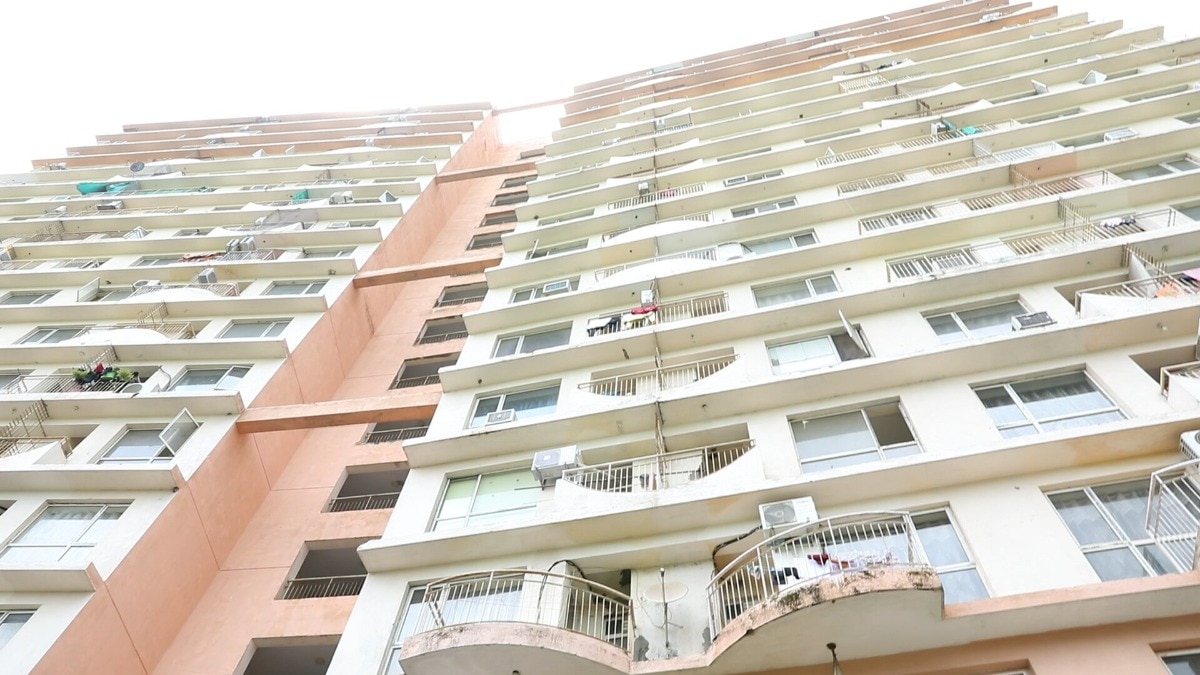
Imagine you have an old house and a new one.
You need to decide what to do with the old one.
You could sell it, rent it, or invest the money.
If you sell it, you won't pay extra taxes.
Selling can help pay off a loan, saving you money because of the 9.5% interest rate.
Renting could bring some income, but requires more work.
Investing can bring growth but has risk.
The best idea is to choose what fits your goals, risk tolerance, and financial situation.

A homeowner is deciding what to do with an old house after constructing a new one.
The homeowner can sell the house, rent it out, or invest the proceeds.
Selling the house for ₹50L results in no capital gains tax due to indexed cost of acquisition.
Repaying a 9.5% loan immediately provides a guaranteed, risk-free return.
A blended approach of debt repayment and investment is recommended.
- Who
- A homeowner and a Senior Quantitative Research Analyst from 1 Finance.
- What
- A homeowner is making a decision regarding an old property.
- When
- Information is current as of the time of the article's publication.
- Where
- Not explicitly mentioned.
- Why
- To decide on the best financial action regarding an old property, considering tax, risk, and returns.
Potential Advantages
Potential Disadvantages
Financial Goals
Potential Advantages
Selling the house
Potential Disadvantages
Keeping the property and renting it
Investment Strategy
Potential Advantages
Paying off the loan and minimizing debt.
Potential Disadvantages
Investing in market-linked instruments
- Original House Purchase Price
- ₹27 lakh in 2012
- New Home Construction Cost
- ₹100 lakh
- Loan Interest Rate
- 9.5%
- Old House Sale Price
- ₹50 lakh
- Indexed Cost of Acquisition
- ₹50.8L
- Rental Yield (if kept)
- 3% - 4% per annum