

Archive · 5 Jun 2025
Explained: How Light Travels Across Vast Cosmic Distances
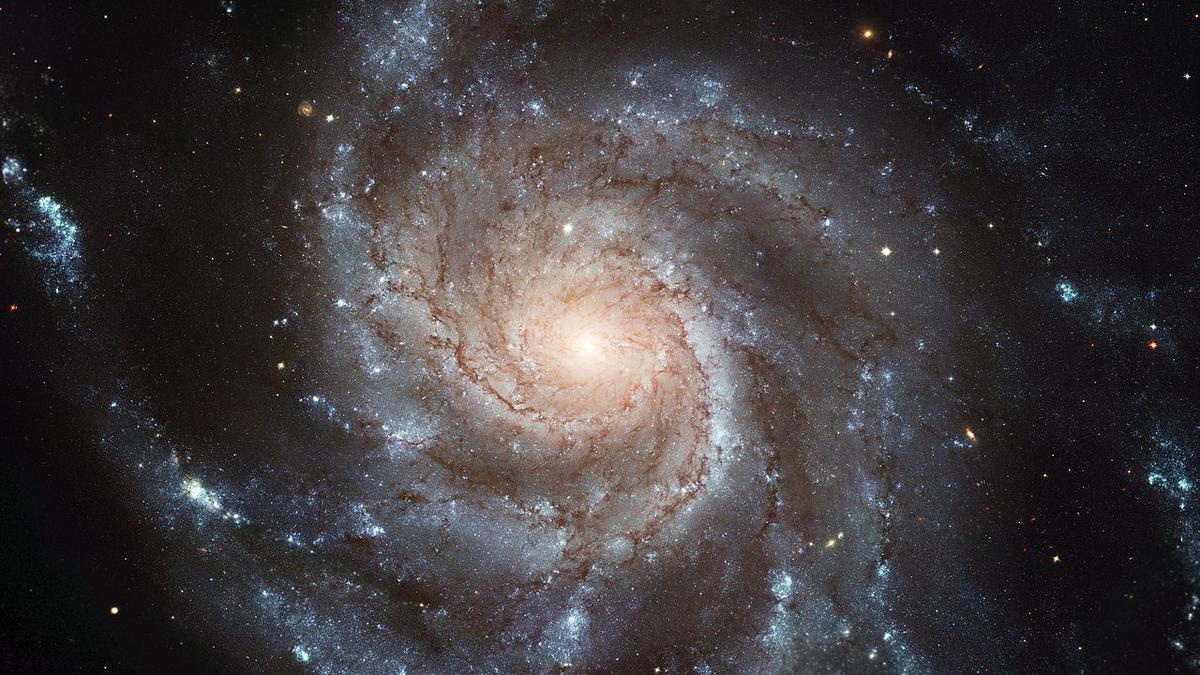
Light travels incredibly fast, but also incredibly far.
It doesn't get tired because it's massless and mostly just goes through empty space.
Time is relative, meaning it can pass differently depending on how fast something is moving.
From a photon's point of view, time almost stops, making the journey across the universe seem instantaneous.
This is why light from distant galaxies can reach us, even after traveling for millions of years.

Light is electromagnetic radiation with no mass.
Light travels at approximately 300,000 km per second in a vacuum.
Light can lose energy when it collides with something like interstellar dust.
Space is mostly empty, so light usually travels without any collisions.
Time dilation occurs, meaning time passes differently depending on speed and gravity.
- Who
- An astrophysicist, Jarred Roberts, explains the behavior of light.
- What
- An explanation of how light travels through space and why it doesn't lose energy over time.
- When
- Published June 05, 2025
- Where
- The article's author is from the University of California, San Diego
- Why
- To explain how light can travel vast distances without losing energy.
- Light Speed
- About 300,000 km per second
- Sun to Earth Light Travel Time
- About 8 minutes
- Alpha Centauri Distance
- About 41 trillion km
- Pinwheel Galaxy Light Travel Time
- 25 million years
- Time Dilation Effect
- Time moves slower at high speeds and in strong gravity