Archive · 31 Jan 2026
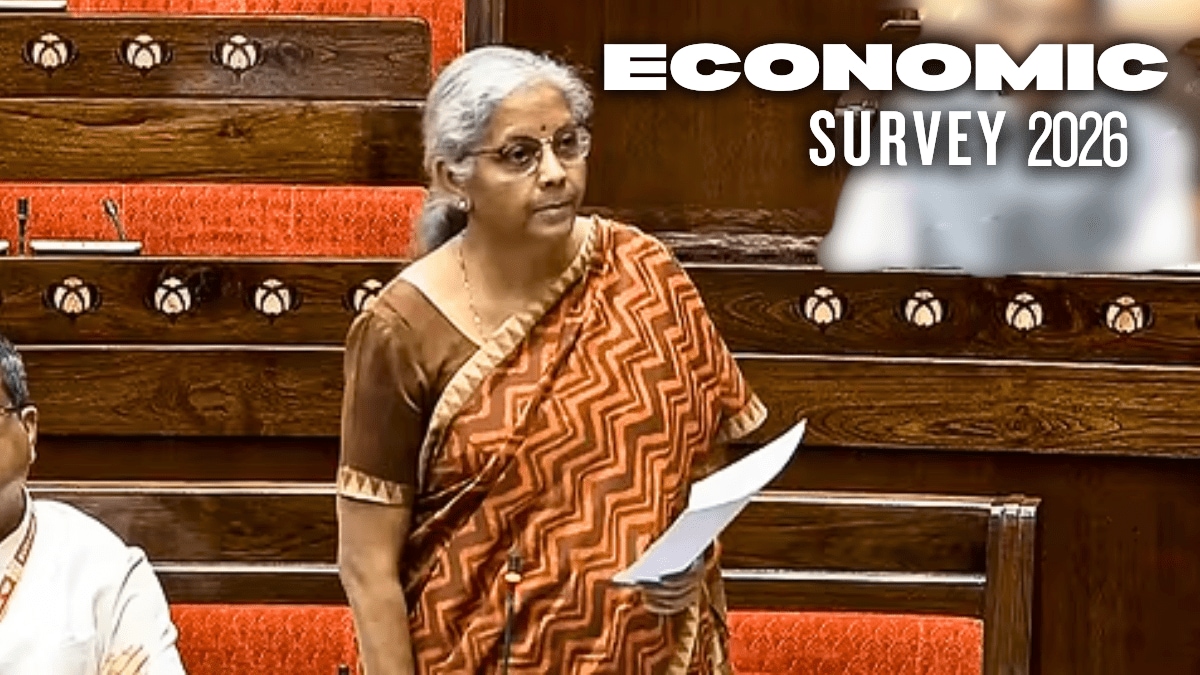
Economic Survey 2025-26 Recommends Re-examining RTI Act

The Economic Survey for 2025-26 suggests that India should take another look at the Right to Information (RTI) Act.
This law, which is almost 20 years old, helps people get information from the government to ensure transparency.
The Survey says that while the RTI Act is important, some parts might need to be updated to work better with modern governance.
The goal is to keep the original purpose of the law while making sure it fits with today's needs and global standards.
However, the Survey also presents a positive picture of India's economic health despite global uncertainties.
It acknowledges the dependence on capital flows and the need to lower the cost of capital.
The Survey emphasizes the government's role in improving macroeconomic outcomes and highlights achievements in fiscal consolidation post-Covid.
On the other hand, a critical analysis points out that the Survey's analysis is selective and marked by important gaps.
It criticizes the lack of significant manufacturing exports, the high cost of capital due to deficits, and the stagnation in public investment.
The Survey also ignores poor revenue realizations and the near deflationary situation in sectors like agriculture, mining, and construction.
The critical analysis calls for serious rethinking of policy making and addressing growing inequalities that restrict the domestic market to a narrow segment of the population.

The Economic Survey 2025-26 recommends re-examining the RTI Act for transparency and accountability.
The Survey presents a positive outlook on India's economic health despite global uncertainties.
It acknowledges India's dependence on capital flows and the need to lower the cost of capital.
The Survey emphasizes the government's role in improving macroeconomic outcomes and highlights fiscal consolidation post-Covid.
A critical analysis points out gaps in the Survey, including selective use of evidence and ignoring poor revenue realizations and near deflationary situations in key sectors.
- Who
- Economic Survey 2025-26
- What
- Re-examination of the RTI Act and critical analysis of India's economic health
- When
- 2025-26
- Where
- India
- Why
- To balance transparency with effective governance and address economic challenges
Positive Economic Outlook
Critical Economic Analysis
Economic Health
Positive Economic Outlook
The Survey presents a positive picture of India's economic health despite global uncertainties.
Critical Economic Analysis
The Survey's analysis is selective and marked by important gaps, presenting a self-congratulatory tone.
Capital Flows and Deficits
Positive Economic Outlook
Acknowledges global economic uncertainty and India's dependence on capital flows.
Critical Economic Analysis
Criticizes the lack of significant manufacturing exports and excessive reliance on services and remittances.
Cost of Capital
Positive Economic Outlook
Advocates for lowering the cost of capital as an alternative to protection.
Critical Economic Analysis
Highlights that the high cost of capital is due to current account deficits and savings-investment deficits.
Government's Role
Positive Economic Outlook
Sees the government as an exogenous factor that can convert macroeconomic outcomes into a virtuous circle.
Critical Economic Analysis
Criticizes the government's past conduct and calls for serious rethinking of policy making.
Fiscal Consolidation
Positive Economic Outlook
Emphasizes achievements in fiscal consolidation post-Covid, especially the shift towards capital expenditure.
Critical Economic Analysis
Ignores the stagnation in public investment and the decline in investment and savings rates over the past two decades.
Revenue Realization
Positive Economic Outlook
Does not acknowledge the poor revenue realizations from central taxes in the current financial year.
Critical Economic Analysis
Highlights the low growth in revenue collections compared to nominal GDP, indicating a potential underlying economic issue.
GDP Growth and Inflation
Positive Economic Outlook
Presents an estimated real GDP growth of 7.4% for 2025-26 with a low implicit GDP inflation rate.
Critical Economic Analysis
Questions the robustness of growth performance given the near deflationary situation in sectors like agriculture, mining, and construction.
Domestic Market and Inequality
Positive Economic Outlook
Emphasizes India's domestic market as a source of strength.
Critical Economic Analysis
Criticizes the lack of addressing growing inequalities that restrict the market to a narrow segment of the population.
- Document
- Economic Survey 2025-26
- Act
- Right to Information (RTI) Act
- Purpose
- Transparency and accountability
- Recommendation
- Re-examination of the RTI Act
- Focus
- Balancing openness with effective governance
- Global Economic Situation
- Uncertain and fraught with risk
- Capital Flows
- Dependence on capital flows to cover persistent deficit
- Manufactured Goods Exports
- Inability to become a significant exporter
- Services Exports and Remittances
- Excessive dependence
- Cost of Capital
- High due to current account deficits and savings-investment deficits
- Government's Role
- Exogenous factor for macroeconomic outcomes
- Fiscal Consolidation
- Dominant theme post-Covid with emphasis on capital expenditure
- Revenue Realization
- Poor growth in central taxes and GST collections
- GDP Growth
- Estimated real GDP growth of 7.4% for 2025-26
- Inflation Rate
- Implicit GDP inflation rate of 0.6%
- Domestic Market
- Source of strength but restricted by growing inequalities