

Archive · 7 Jan 2026
Gen Z Protests Worldwide Over Jobs and Inequality
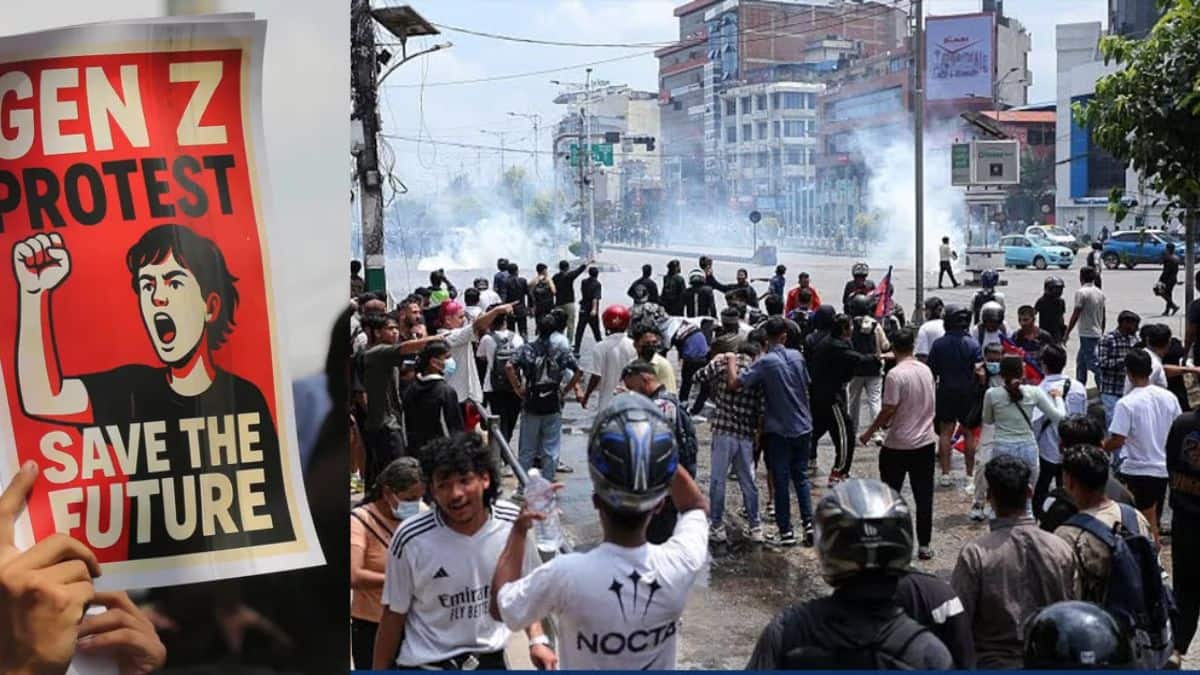
Young people in Nepal, Mexico, and Iran are protesting because they feel like they don't have good job opportunities.
They're upset because even though they're getting educated, there aren't enough good jobs for them.
In Nepal, many young people have to leave the country to find work.
In Mexico, the economy is growing, but most jobs are informal and don't offer good benefits.
In Iran, the cost of living is going up so fast that it's hard for young people to start their lives.
These protests are different because they're organized quickly and don't have leaders.
Governments are having to change their policies because of these protests.
The young people feel like they're part of a global movement and are using technology to connect with each other.

Gen Z protests in Nepal, Mexico, and Iran driven by job scarcity and rising living costs.
Nepal's protests highlight the education-employment gap, forcing youth to seek menial labor abroad.
Mexico's youth challenge structural reforms favoring entrenched interests over new workforce entrants.
Iran's protests fueled by triple-digit inflation and government crackdowns on young protesters.
Protests are decentralized, leaderless, and tech-savvy, transforming governance and policy.
- Who
- Generation Z in Nepal, Mexico, and Iran
- What
- Protests over job opportunities, living costs, and inequality
- When
- 2025-2026
- Where
- Nepal, Mexico, Iran
- Why
- Frustration with limited job opportunities, stagnant wages, and rising living costs
- Regions Affected
- Nepal, Mexico, Iran
- Primary Issues
- Job opportunities, living costs, inequality
- Protest Characteristics
- Decentralized, leaderless, tech-savvy
- Economic Context
- Education-employment gap, informal sector dominance, inflation
- Government Response
- Crackdowns, policy reversals, constitutional debates
- Global Impact
- Transformation of governance, shared protest tactics
- Key Drivers
- AI-driven job displacement, post-pandemic debt