Archive · 6 Sep 2025
Online Education: Digital Fatigue vs. Digital Freedom
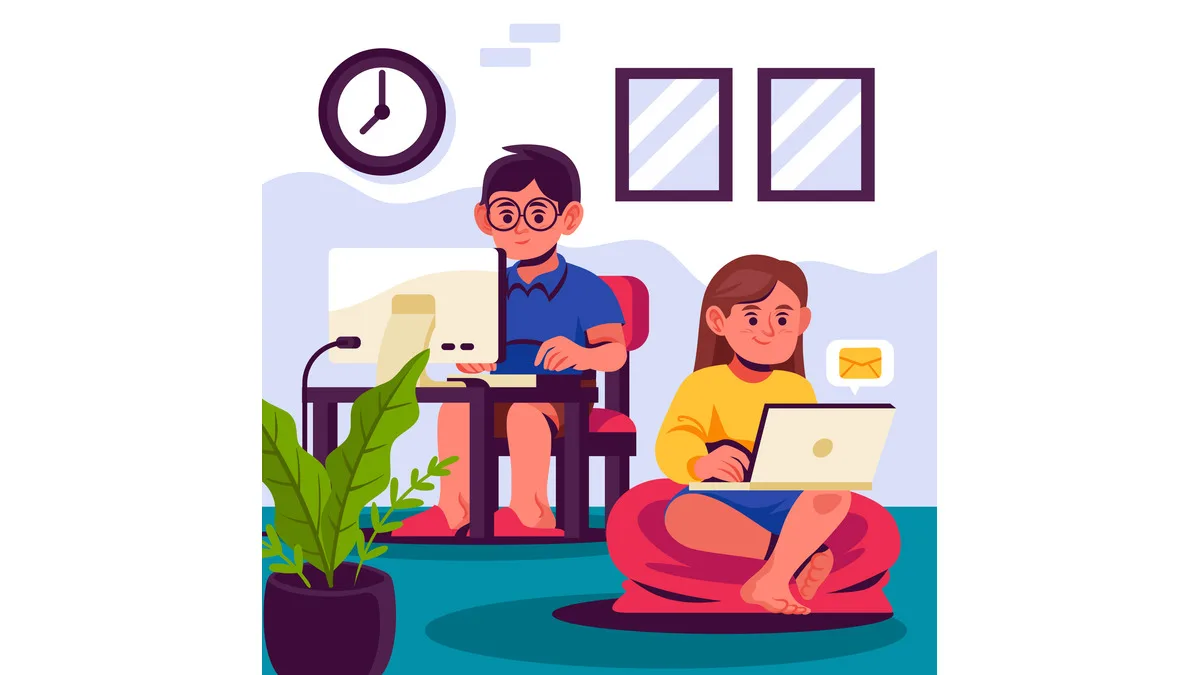
Online learning in India has become common because of the pandemic, but it's causing problems.
Spending too much time on screens can make students tired, give them headaches, and make it hard to focus.
Experts say it's not just how long students use screens, but how.
If the learning is fun and interesting, it's better.
Schools and parents are trying different things like adding breaks, outdoor activities, and making lessons more interactive to help students learn without getting too tired.
The goal is to make screen time helpful, not harmful.

Online education's impact on students' well-being sparks debate in India.
Digital fatigue, from prolonged screen exposure, leads to various health issues.
Experts highlight the importance of quality screen time over quantity.
Digital education offers access and flexibility for students, especially in underserved areas.
Progressive institutions adopt experiential learning, blended learning, and mindful technology use.
- Who
- Students, teachers, Dr. Radhika Mehta, Smita Rao, Anita Verma
- What
- Examining the impact of online education on students, including digital fatigue, digital freedom and strategies for better screen use.
- When
- 2020-2024
- Where
- India
- Why
- To understand the effects of online education on student well-being and propose strategies for its effective implementation.
- Study Findings (2024)
- Over 68% of students aged 10–18 experienced digital fatigue after five+ hours of online learning daily.