

Archive · 4 Jan 2026
US Tightens Travel Restrictions with Biometric Checks
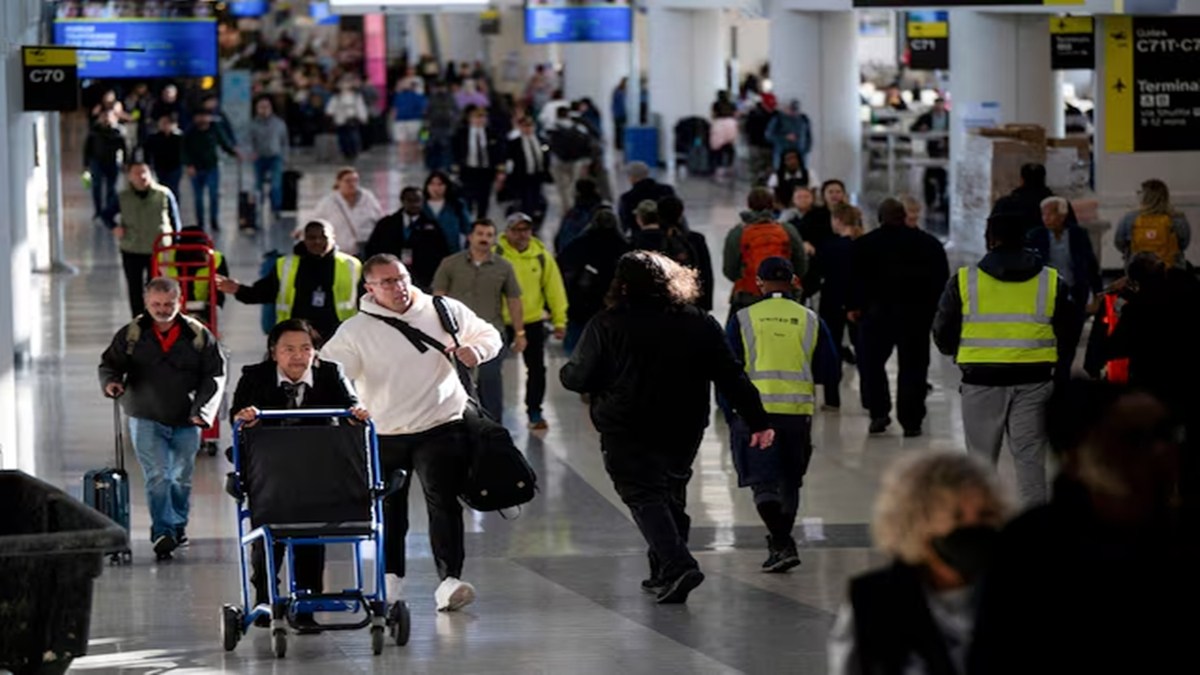
The United States is making travel stricter.
They are asking for more information from people coming into the country, like photos of their face and fingerprints.
This includes students, workers, and tourists.
If someone thinks they were treated unfairly at the airport, they can tell the government through a special program.
The government also promises to keep personal information safe.
If someone needs records of their travel, they can ask for them under special rules.
But if someone traveled by car between the U.S., Canada, and Mexico, their travel records might not be complete.

US plans to implement stricter biometric checks for immigrants, including voiceprints, iris scans, and DNA.
All immigrants and non-citizens will be photographed upon entry and exit.
Some travelers face delays or denials at airports and border checkpoints.
DHS TRIP program offers redress for unfair screening experiences.
FOIA requests can be made to access CBP records.
- Who
- International students, foreign workers, tourists, and immigrants to the United States
- What
- Implementation of more stringent biometric checks and increased screening at airports
- When
- Ongoing, with new plans for biometric checks to be implemented
- Where
- U.S. airports and border checkpoints
- Why
- To enhance security and verify identities of travelers
- Affected Groups
- International students, foreign workers, tourists, and immigrants
- New Biometric Checks
- Voiceprints, iris scans, fingerprints, DNA, and facial photos
- Entry and Exit Requirements
- Photographs for all immigrants and non-citizens
- Redress Program
- DHS Travel Redress Inquiry Program (DHS TRIP)
- FOIA Requests
- Access to CBP records under FOIA guidelines
- Privacy
- DHS safeguards personal information provided in inquiries
- Third-Party Requests
- U.S. Form G-28 required for third-party requests
- Incomplete Travel Records
- Possible if traveling by car between U.S., Canada, and Mexico