

Archive · 28 Jul 2025
Understanding Aging: Stages, Management, and Preparedness
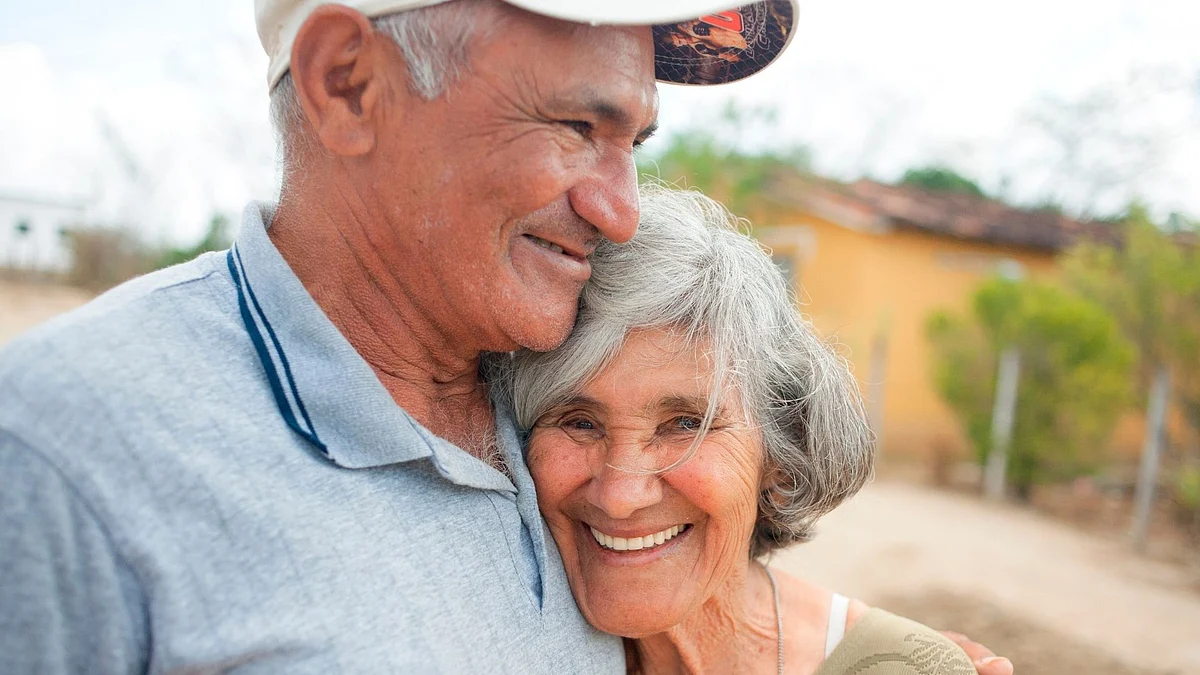
Imagine getting older like climbing a mountain.
First, you're active and independent (Independent Stage), enjoying life.
Then, you might need some help with things (Early Dependent Stage), like taking walks or remembering things.
Finally, you may need a lot of care (Fully Dependent Stage) if you're sick or can't do things yourself.
It's important to know these stages so you can prepare and adapt.
Staying busy, making friends, and keeping your mind and body healthy are good ideas, no matter which stage you're in.
And remember, it's important to get help when you need it.

Aging is a process with distinct stages, each requiring tailored management strategies.
The 'Independent Stage' encourages activity, social engagement, and maintaining physical/mental health.
The 'Early Dependent Stage' involves accepting limitations and adapting to age-related changes.
The 'Fully Dependent Stage' necessitates external support and care.
Preparation and awareness of these stages are crucial for navigating the challenges of aging.
- Who
- Elders, their families, and caregivers.
- What
- The different stages of aging and how to manage them.
- When
- The aging process occurs over several stages, from around age 60 onwards.
- Where
- N/A
- Why
- To prepare for and navigate the challenges of aging with appropriate strategies.
- Author
- Dr. A K Sen Gupta, Chief Trustee, My Retired Life Foundation (MRLF)
- Independent Stage
- Begins around age 60, focuses on activity & social engagement
- Early Dependent Stage
- May begin around age 70, involves needing some assistance
- Fully Dependent Stage
- Requires external support and care due to illness or impairment
- Key Advice
- Stay active, engage socially, and prepare for changes