

Archive · 16 Nov 2025
Pakistan Grapples with Intertwined Socio-Economic and Environmental Crises
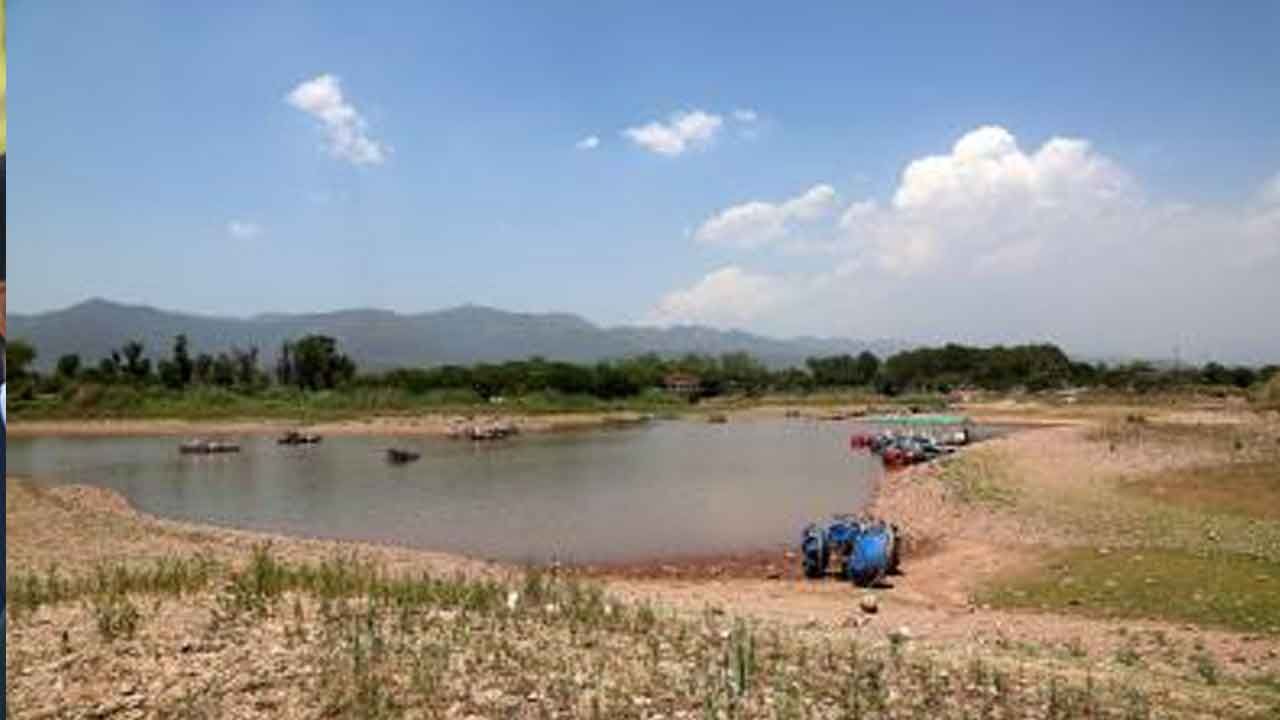
Imagine Pakistan is like a house with many problems.
It's ranked low for how well its people are doing, and it's very vulnerable to dangerous weather like floods and heat.
Heavy rain is filling up its water storage with mud, and hot weather is making it hard to grow food.
Dirty air from cars and factories is causing smog that makes it hard to breathe and see.
The ocean is also coming onto the land, hurting farms and fishing areas.
Even though Pakistan is trying to get help for these issues at big world meetings about the climate, it struggles to put the plans into action at home.
This means the problems, like not having enough clean water or dealing with extreme weather, keep getting worse.

Pakistan ranks 168th globally with a low Human Development Index of 0.544 and 15th in the Climate Risk Index 2026.
The country faces environmental challenges including increased heavy rainfall, dam siltation, rising temperatures causing water stress, and hazardous smog in major cities.
Coastal ecosystems are damaged by saline water intrusion and rising sea levels, while the Indus Basin is severely over-stressed due to over-extraction and climate change.
Pakistan seeks international financial and technical assistance at global climate summits, emphasizing its vulnerability despite contributing little to global emissions.
Despite persistent issues and international calls, Pakistan faces challenges in national preparedness and implementation of climate adaptation strategies.
- Who
- Pakistan, its government officials, and experts like Abdul Waheed Bhutto
- What
- Grappling with severe socio-economic and environmental challenges including low HDI, climate risks, water scarcity, smog, and coastal ecosystem damage.
- When
- Ongoing, with references to specific events in 2015, 2022 (COP27), 2023 (COP28), and 2024 (COP29, COP30)
- Where
- Pakistan, with specific mentions of Indus Delta, major cities (Lahore, Karachi, Islamabad), and global climate summits (Egypt, Dubai, Baku)
- Why
- A combination of factors including over-extraction of water, climate change impacts (heavy rainfall, rising temperatures, rising sea levels), declining forest cover, industrial and transport pollution, and insufficient national preparedness and implementation mechanisms.
Pakistan's Climate Summit Stance
Analysis of Pakistan's Approach
Expectations vs. Reality at Climate Summits
Pakistan's Climate Summit Stance
Pakistan has consistently called for equitable finance, adaptation support, and assistance for countries most vulnerable to climate change but least responsible for global emissions, particularly after devastating floods.
Analysis of Pakistan's Approach
Despite high expectations, Pakistan often arrives at global climate summits with limited national preparedness, institutional capacity, and implementation mechanisms to translate global commitments into tangible domestic outcomes. There's a perception of evolving priorities and moderated expectations due to limited progress on key issues.
Focus on Subnational vs. Federal Leadership
Pakistan's Climate Summit Stance
The representation of Pakistan at COP30 by Punjab Chief Minister Maryam Nawaz Sharif highlights the rising role of subnational leadership.
Analysis of Pakistan's Approach
The absence of the Prime Minister and senior federal figures at COP30 suggests a potential shift in national focus and evolving priorities.
- Human Development Index (HDI)
- 0.544 (168th globally)
- Climate Risk Index 2026 Rank
- 15th
- Over-stressed Aquifer Rank
- Second-most globally (2015, NASA)
- 2022 Flood Impact
- Over 33 million people affected, over $30 billion in losses
- Major Cities Affected by Smog
- Lahore, Karachi, Islamabad