4 days ago
BLDC vs Regular Ceiling Fans: Which Saves More Electricity?
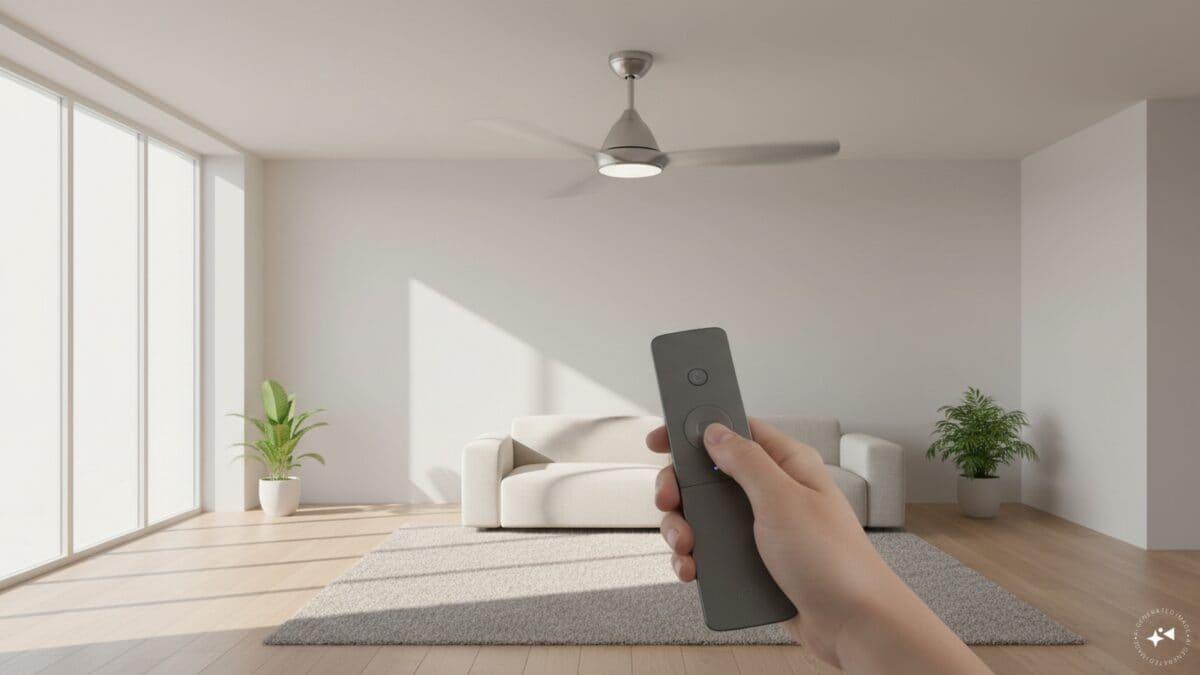
BLDC and regular ceiling fans both move air around a room.
A BLDC fan usually uses much less electricity than a regular fan.
This means it can cost less to run over time.
However, BLDC fans usually cost more to buy at the beginning.
If a fan runs for many hours every day, the electricity savings may gradually make up for the higher price.
BLDC fans often include remote controls, timers, and quieter operation.
They also use less battery power during an electricity outage.
A regular fan can be a better choice for rooms used only occasionally or for people with a very limited budget.

BLDC fans typically consume about 28–35 watts, compared with roughly 70–80 watts for conventional fans.
Regular ceiling fans generally cost less upfront, while BLDC models can reduce long-term electricity costs.
A 75W regular fan versus a 30W BLDC fan running eight hours daily could save about 131 electricity units annually.
BLDC fans are generally quieter, offer features such as remotes and timers, and provide longer inverter backup.
Regular fans remain practical for occasional-use rooms, tight budgets, and buyers who prefer simpler conventional motors.
- Who
- Indian households choosing between BLDC and conventional ceiling fans.
- What
- A comparison of BLDC and regular ceiling fans based on power use, price, airflow, controls, noise, inverter use, and practicality.
- Where
- The products compared were available on Amazon for the Indian market.
- When
- The comparison was last updated and first published on August 29, 2026, at 17:00 IST.
- Why
- BLDC fans use substantially less electricity, while regular fans generally have a lower upfront price.
BLDC Fans
Regular Fans
Electricity costs
BLDC Fans
BLDC fans typically draw substantially less power, making them more economical for long daily use.
Regular Fans
Regular fans consume more electricity, but their higher running cost may matter less when they are used only occasionally.
Purchase price
BLDC Fans
BLDC models usually cost more upfront, though lower electricity use can gradually offset the difference.
Regular Fans
Regular fans are generally cheaper initially and suit buyers focused on minimizing replacement costs.
Features and operation
BLDC Fans
Many BLDC models offer remote controls, timers, multiple speed settings, quieter operation, and longer inverter backup.
Regular Fans
Regular fans use familiar conventional motors and often simpler controls, with remote and timer features depending on the model.
Key facts
- Typical BLDC consumption
- Approximately 28–35 watts for many efficient models.
- Typical regular-fan consumption
- Approximately 60–80 watts in the comparison; government material cited roughly 70–80 watts.
- Illustrative annual saving
- Replacing a 75W fan with a 30W BLDC fan for eight hours daily could save about 131 electricity units per year.
- Illustrative monetary saving
- At Rs 8 per unit, the eight-hour example could save about Rs 1,051 annually per fan.
- BLDC example prices
- The compared BLDC models were listed from Rs 4,049 to Rs 5,999 after discounts.
- Regular-fan example prices
- The compared regular models were listed from Rs 1,779 to Rs 1,929 after discounts.
- Best use case
- BLDC fans are generally better for bedrooms, living rooms, offices, and other spaces where fans run for long periods.
Sources
Related news

Monthlong AC Test Reveals Delhi-NCR Cooling Costs

Mixer Grinder Deals Under Rs 4,000 During Amazon Freedom Sale
Top Refrigerators Under Rs 25,000: Samsung, LG, Haier, Whirlpool Picks

Seven Best Washing Machines for Indian Homes in 2026
Top Kitchen Chimney and Cooktop Deals Under Rs. 12,000