

Archive · 31 Dec 2025
Special Ink Used for Gandhi's Portrait on Indian Currency
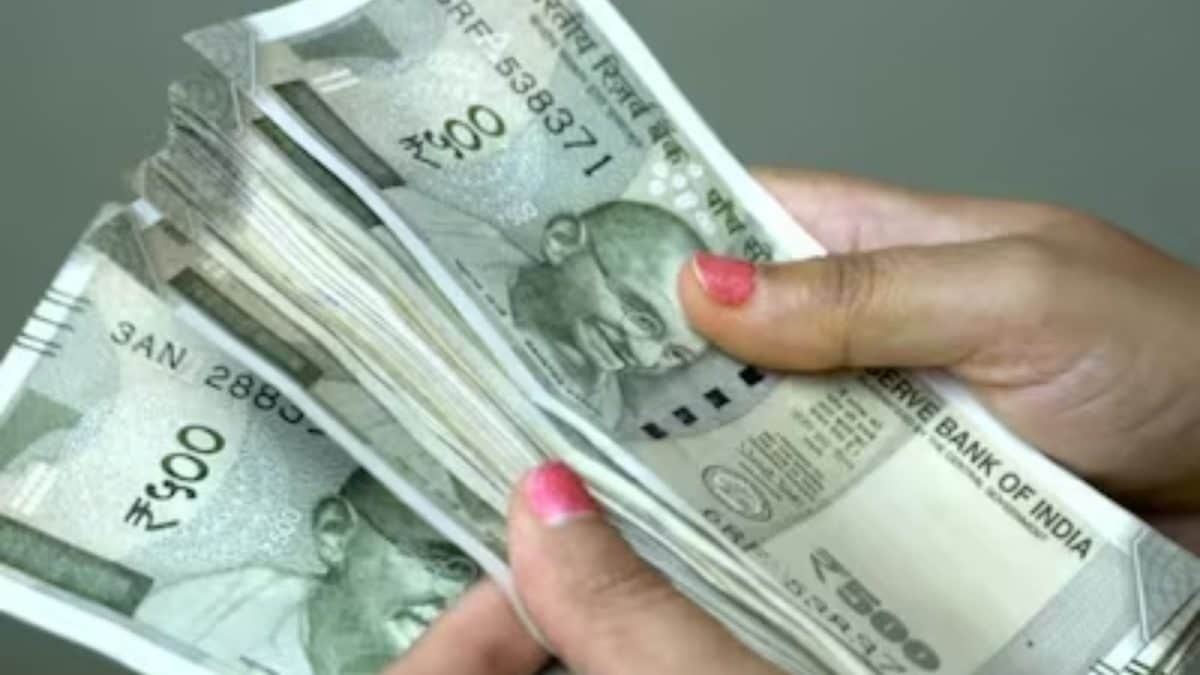
Indian currency notes are made with special materials and inks to keep them safe from counterfeiters.
The portrait of Mahatma Gandhi on the notes is printed with a unique ink called intaglio ink.
The paper used for the notes is imported from countries like Germany, Japan, and the UK.
The Reserve Bank of India (RBI) and other organizations print the notes at four different places in India.
The process is expensive because of the special materials used, but it helps keep the money safe.
The notes are then sent to different RBI offices and banks before they reach the public.

Indian currency notes use imported paper and special inks, including intaglio ink for Mahatma Gandhi’s portrait.
Currency notes are printed at four locations: Dewas, Nashik, Mysuru, and Salboni, by two organizations: SPMCIL and BRBNMPL.
The high cost of printing is due to imported raw materials and advanced security features.
Special inks used include intaglio ink, fluorescent ink, and Optical Variable Ink (OVI) to prevent counterfeiting.
The RBI spends around Rs 4,500 crore annually on printing currency notes, with the highest cost being Rs 7,965 crore in 2016.
- Who
- Reserve Bank of India (RBI) and Security Printing and Minting Corporation of India Limited (SPMCIL)
- What
- Special inks and imported paper used for printing Indian currency notes
- When
- Currency notes have been printed with special inks since 1969
- Where
- Currency notes are printed at four locations: Dewas, Nashik, Mysuru, and Salboni
- Why
- To prevent counterfeiting and ensure security
- Special Ink
- Intaglio ink for Mahatma Gandhi’s portrait
- Fluorescent Ink
- Used for number panels
- Optical Variable Ink (OVI)
- Used for enhanced security
- Currency Printing Cost (2021)
- Rs 4,112 crore
- Currency Printing Cost (2016)
- Rs 7,965 crore (highest ever)
- Cost to Print Rs 10 Note
- 0.75 paise
- Cost to Print Rs 2,000 Note
- Rs 3.53