Archive · 12 Dec 2025
US, Japan Show Force Amid Regional Tensions

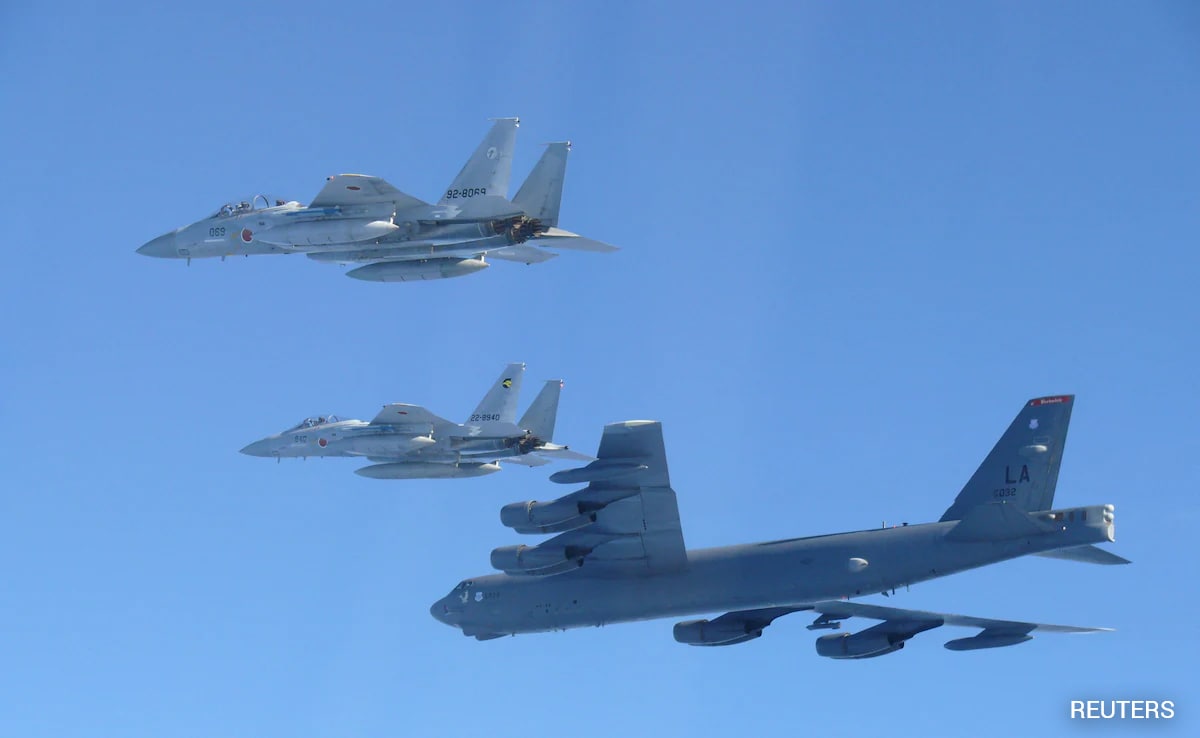
The United States and Japan flew military aircraft together in the Sea of Japan to show their strength and commitment to security.
This happened after China and Russia held their own military exercises in the area.
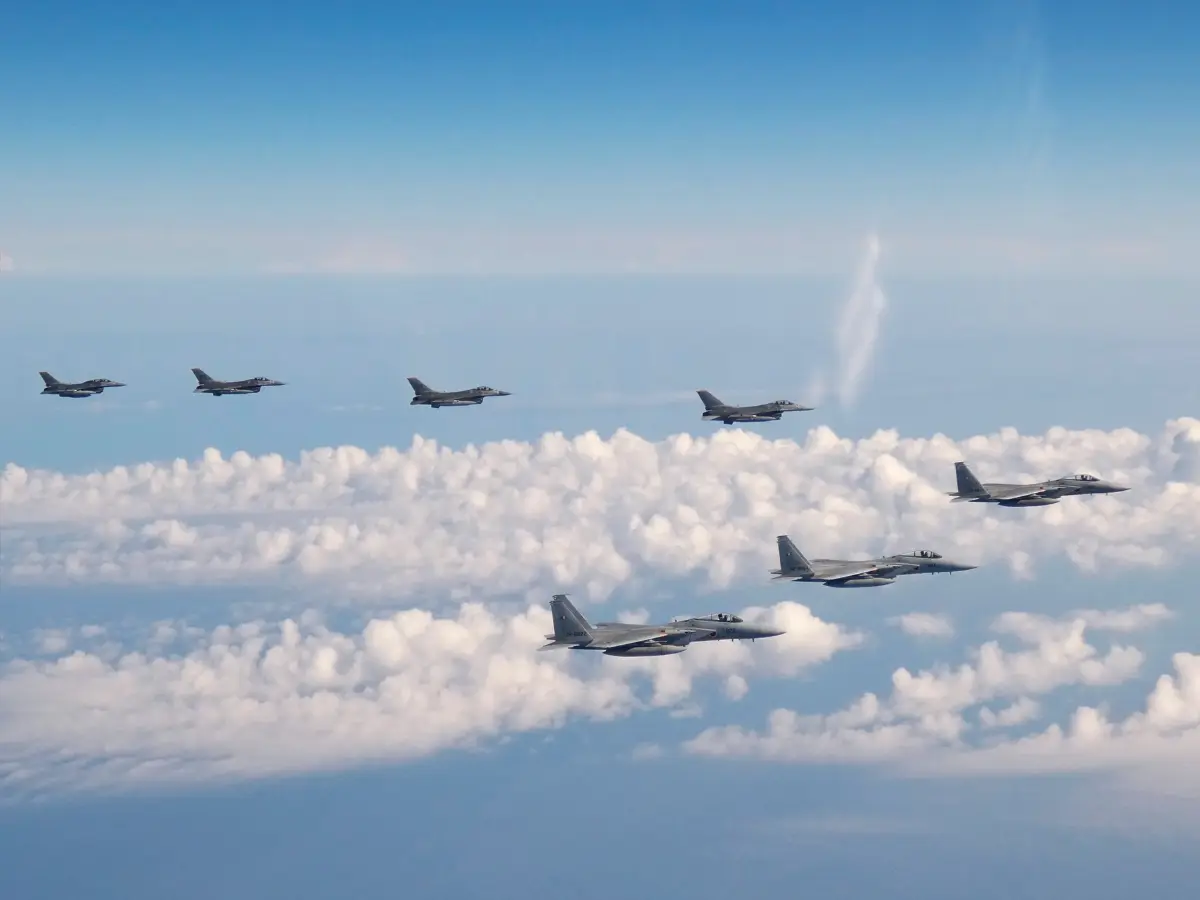
Japan and South Korea also sent their fighter jets in response to Chinese and Russian aircraft entering their air defense zones.
The tensions have been high because of Japan's recent remarks about Taiwan, which China claims as its own.
The United States said that China's actions are not good for peace in the region.
China denied doing anything wrong.
Both sides are closely watching the situation to keep the region safe.

U.S. B-52 bombers flew with Japanese jets in the Sea of Japan in a show of force following Chinese and Russian drills.
Japan and the U.S. reaffirmed their commitment to regional security and deterring unilateral changes to the status quo.
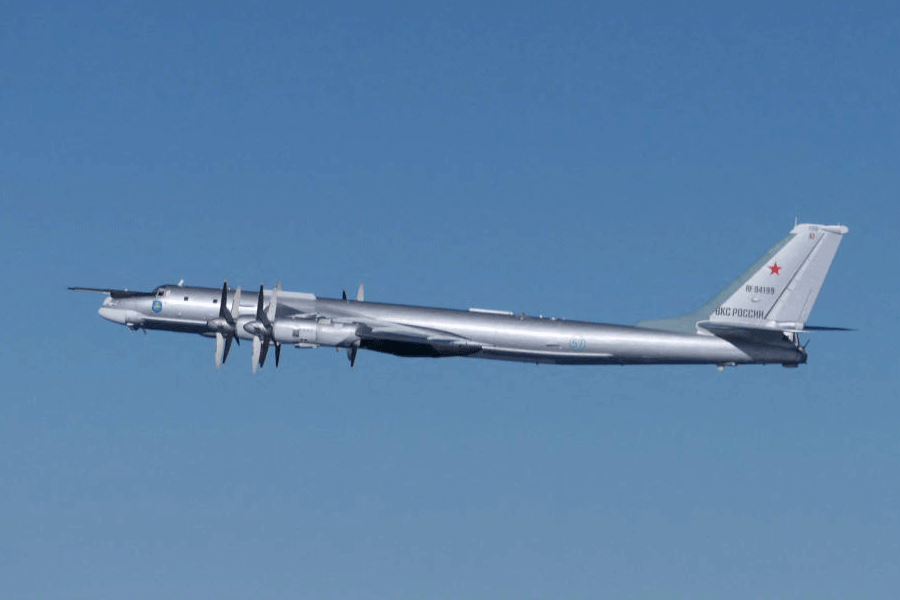
China and Russia conducted joint military drills in the East China Sea and Western Pacific, prompting Japan and South Korea to scramble jets.
Japan accused China of targeting its military aircraft with radar, while China denied the allegations.
Tensions rose after Japanese Prime Minister Sanae Takaichi's remarks on Taiwan triggered a dispute with China.
- Who
- United States, Japan, China, Russia, South Korea
- What
- Joint military drills and responses to regional tensions
- When
- December 11, 2023
- Where
- Sea of Japan, East China Sea, Western Pacific
- Why
- Response to Chinese and Russian military exercises and regional tensions, including Japan's remarks on Taiwan
China and Russia
United States and Japan
Military Drills
China and Russia
China and Russia conducted joint military drills in the East China Sea and Western Pacific, asserting their military presence and strategic cooperation.
United States and Japan
The U.S. and Japan conducted joint military drills in the Sea of Japan to reaffirm their commitment to regional security and deter unilateral changes to the status quo.
Radar Incident
China and Russia
China denied targeting Japanese jets with radar, stating that Japanese aircraft endangered its air operations.
United States and Japan
Japan accused China of aiming radar at its military aircraft, prompting a response from the U.S. that such actions are not conducive to regional peace and stability.
Taiwan Remarks
China and Russia
China views Japan's remarks on Taiwan as a threat to its sovereignty and has escalated military activities in response.
United States and Japan
Japan maintains its stance on Taiwan, citing potential survival-threatening situations, and has strengthened its alliance with the U.S. to address regional security concerns.
- Countries Involved
- United States, Japan, China, Russia, South Korea
- Type of Aircraft
- U.S. B-52 strategic bombers, Japanese F-35 stealth fighters, Japanese F-15 air-superiority jets, Chinese and Russian strategic bombers
- Date of Drills
- December 11, 2023
- Location
- Sea of Japan, East China Sea, Western Pacific
- Reason for Drills
- Response to Chinese and Russian military exercises and regional tensions
- Japanese Response
- Scrambled jets, radar targeting reported
- South Korean Response
- Scrambled fighter jets in response to Chinese and Russian aircraft
- Taiwan Context
- Japan's remarks on Taiwan triggered a dispute with China
- US Statement
- China's actions are not conducive to regional peace and stability
- China's Denial
- Chinese military aircraft did not target Japanese jets with radar
Sources
US nuclear-capable bombers fly with Japanese jets after China–Russia drills, Tokyo says

Japan’s Defense Chief Conveys Concerns Over China to NATO Chief
US bombers join Japanese jets in show of force after China–Russia drills, Tokyo says
'Not conducive to regional peace...': US slams China after Chinese, Russian bombers fly past Japan amid tensions
US nuclear-capable bombers fly with Japanese fighter jets in show of force after China-Russia drills

US flies bombers in high-profile show of support for Japan