

Archive · 8 Nov 2025
Tirupati's Urban Growth Strains Energy Resources, Study Finds
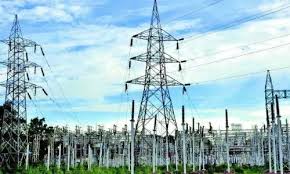
Tirupati, a famous temple city, is growing bigger with more people and visitors.
This means everyone needs more electricity for their homes and businesses, putting a strain on the city's power.
Many buildings also use a lot of energy because of old equipment.
The city gets a lot of sunshine but doesn't use much solar power, relying mostly on coal.
Researchers have found that the power lines are old and lose a lot of energy.
They suggest making energy saving a big part of planning how the city grows.
This includes using smarter power grids, encouraging solar panels on roofs, and making sure new buildings are energy efficient.
If these changes are made, Tirupati could use less energy and become a greener city.

Tirupati's rapid urban expansion and large pilgrim population are driving a significant increase in electricity consumption.
A study recommends embedding energy efficiency into urban planning and zoning regulations to manage growing power demand.
Commercial and industrial sectors account for over 60% of the city's energy use, while residential consumption is about 35%.
Outdated infrastructure leads to high transmission and distribution losses of up to 18%, with renewable energy contributing less than 2%.
Key recommendations include developing smart grids, promoting renewable energy, mandating energy audits, and integrating energy use into the Master Plan 2040.
- Who
- Researchers led by Dr. Janmejoy Gupta, Tirupati Urban Development Authority (TUDA), Tirupati Municipal Corporation (MCT), Andhra Pradesh Southern Power Distribution Company Limited (APSPDCL)
- What
- A study highlighting Tirupati's rising energy consumption due to urban growth and recommending the integration of energy efficiency into urban planning.
- When
- Ongoing, with a focus on current demand and future planning up to Tirupati Master Plan 2040.
- Where
- Tirupati
- Why
- Rapid urbanization, population increase (resident and pilgrim), proliferation of energy-hungry appliances, outdated infrastructure, high transmission/distribution losses, and insufficient use of renewable energy.
Current Practices
Recommendations
Urban Planning & Energy
Current Practices
Energy considerations are not a primary component of current urban planning and zoning regulations.
Recommendations
Energy efficiency must be integrated into urban planning and zoning for sustainable growth, potentially using GIS-based mapping for energy-use intensity zones.
Renewable Energy Integration
Current Practices
Reliance on coal-based power (65.37%) with minimal solar and wind contribution (less than 2%), despite high solar potential.
Recommendations
Promote renewable energy sources, including mandatory integration in industrial parks and incentives for rooftop solar installations, to significantly cut carbon footprint.
Infrastructure & Efficiency
Current Practices
Outdated infrastructure leads to high transmission and distribution losses (up to 18%) and weak implementation of energy conservation codes.
Recommendations
Develop smart grids, encourage green buildings, promote mixed land use, and implement ward-level carbon emission tracking for improved efficiency.
- Population Growth (2011-Present)
- 3.74 lakh to approx. 6.5 lakh
- Monthly Pilgrim Population
- Approx. 21 lakh
- Primary Energy Consumers
- Commercial and industrial sectors (over 60%)
- Domestic Energy Use
- Approx. 35%
- Electricity Source
- 65.37% coal-based; less than 2% solar/wind
- Transmission and Distribution Losses
- Up to 18%
- Energy Conservation Building Code Compliance
- Weak implementation at local level
