

Archive · 19 Jan 2026
Women Leadership in India Inc
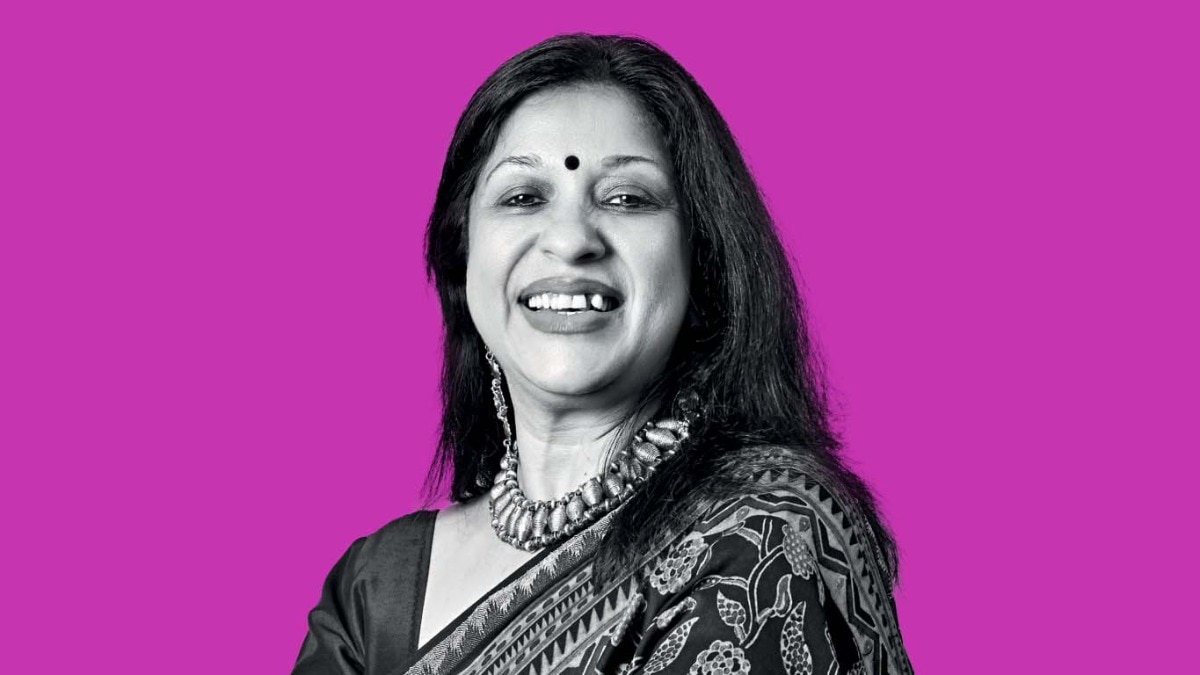
Purvi Sheth, the MD of Shilputsi Consultants, talks about the progress and challenges of women leadership in Indian companies.
She mentions that while there has been progress, many programmes are event-driven and do not address deeper issues like bias and rigid cultures.
She also discusses the differences between family businesses, multinationals, and start-ups in terms of women leadership.
Sheth emphasizes that leadership should be assessed individually, not based on gender.
She also talks about the gender wealth and salary gaps, which can be addressed through pay audits and transparent communication.
Additionally, she highlights the issue of women harassment in India Inc, which is often underreported due to fear of retaliation.

Indian companies have made progress in diversity and female leadership, but many programmes are event-driven and fail to address deeper structural barriers.
Family businesses in India are making progress in encouraging women's participation, while multinationals have structured diversity frameworks but sometimes fail to account for cultural nuances.
Start-ups, although progressive in mindset, tend to underperform in practice regarding women leadership.
Leadership should be assessed at the individual level, irrespective of gender, and not based on stereotypes.
Gender wealth and salary gaps exist due to opaque compensation practices and can be addressed through pay audits and transparent communication.
- Who
- Purvi Sheth, MD of Shilputsi Consultants
- What
- Discussion on women leadership programmes and gender equity in Indian companies
- When
- Not specified
- Where
- India
- Why
- To address the shortcomings of women leadership programmes and the existence of gender wealth/salary gaps
- Progress in Diversity
- Indian companies have made progress in diversity and female leadership.
- Programme Shortcomings
- Programmes often fail to address structural barriers like bias in succession planning and rigid organisational cultures.
- Family Businesses
- Some Indian family businesses actively encourage women's participation in business operations.
- Multinationals
- Multinationals have structured diversity frameworks but sometimes fail to account for cultural nuances in India.
- Start-ups
- Start-ups are progressive in mindset but tend to underperform in practice regarding women leadership.
- Leadership Assessment
- Leadership should be assessed at the individual level, irrespective of gender.
- Gender Wealth/Salary Gaps
- Inequity is exacerbated by opaque compensation practices and can be addressed through pay audits and transparent communication.
- Women Harassment
- Underreporting and fear of retaliation weaken the effectiveness of addressing women harassment in India Inc.