Archive · 14 Aug 2025
Colonoscopy AI May Reduce Doctor's Skills, Study Finds

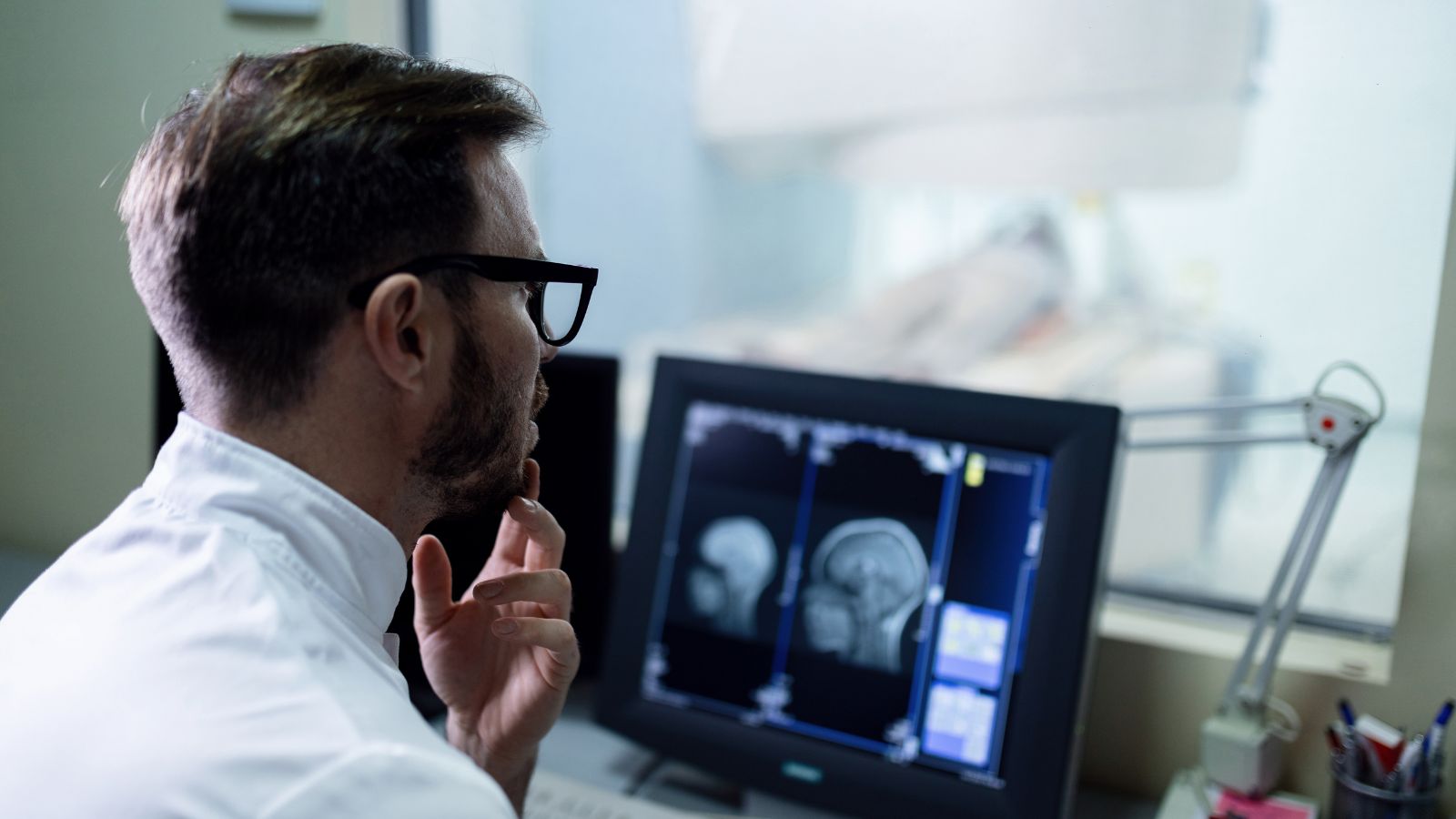
Doctors use AI to help find problems during colonoscopies.
A new study suggests that if doctors rely too much on AI, they might get worse at finding problems without it.
This is like using a calculator and forgetting how to do math.
The study looked at how well doctors found early signs of cancer before and after using AI.
It showed they found fewer problems without AI after regular use.

Study indicates doctors may lose skills with prolonged AI use during colonoscopies.
Focus is on the detection of precancerous growths, known as adenomas.
Researchers tracked 1,443 colonoscopies performed by 19 experienced endoscopists.
Adenoma detection rates decreased after introducing AI assistance.
Experts suggest caution in interpreting these findings, with some questioning the deskilling concept.
- Who
- Experienced endoscopists who perform colonoscopies.
- What
- A study suggests that continuous AI use in colonoscopies may reduce doctors' ability to detect precancerous growths.
- When
- The study results were published in The Lancet Gastroenterology and Hepatology.
- Where
- The study was conducted in four hospitals in Poland.
- Why
- To assess the impact of long-term AI use on doctors' skills in detecting precancerous growths.
Benefits of AI in Medicine
Potential Drawbacks of AI Over-Reliance
Skill and Performance
Benefits of AI in Medicine
AI enhances diagnostic capabilities in colonoscopies.
Potential Drawbacks of AI Over-Reliance
Over-reliance on AI may reduce doctors' skill in detecting adenomas without assistance.
- Study Focus
- Colonoscopies
- AI Impact
- Potential skill decline for doctors
- Adenoma Detection Before AI
- 28%
- Adenoma Detection After AI
- 22%
- Location
- Poland
- Journal
- The Lancet Gastroenterology and Hepatology
Sources
Routine AI use may lead to loss of skills among doctors: Lancet study
AI Eroded Doctors' Ability To Spot Cancer By 20%: Study
Doctors might become less skilled as a result of AI-assisted colonoscopies: The Lancet