

Archive · 28 Jun 2025
Study Finds High Microplastic Levels in Yamuna Near Taj Mahal
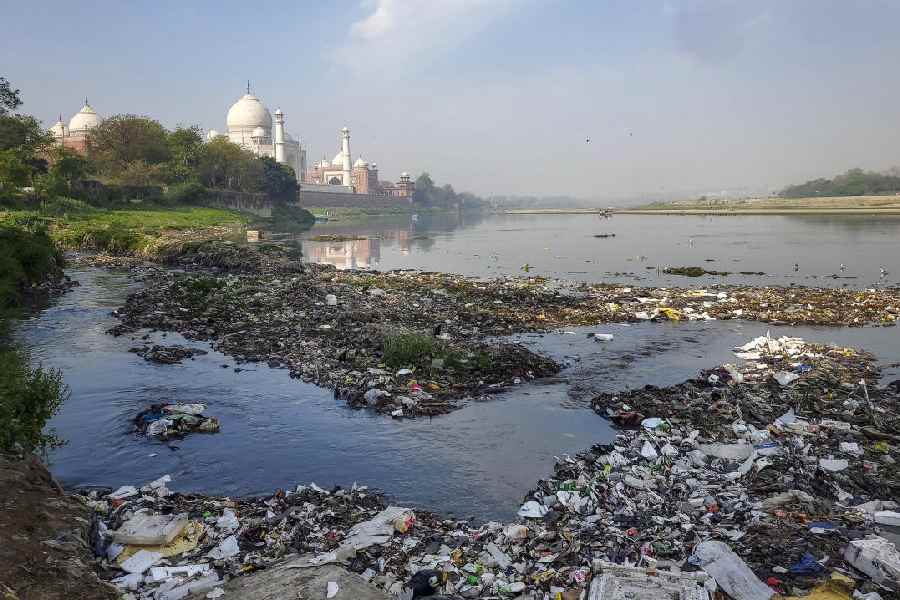
Imagine tiny plastic bits polluting the Yamuna River near the Taj Mahal.
A study found lots of these bits, called microplastics, especially close to the Taj Mahal.
They come from things like washed clothes and plastic packaging.
These microplastics are very small and can cause health problems if they get into our bodies.
Scientists are worried because the river is used for drinking water and fishing.
The study also shows the problem is not limited to this area, as microplastics are also found in other rivers.
Experts say these tiny plastics can carry bad chemicals and affect our health.
More studies are planned to check other rivers too.

A study found the highest concentration of microplastics in the Yamuna River near the Taj Mahal.
Runoff from clothes, packaging, and tires are identified as major sources of the pollution.
The microplastic concentration near the Taj Mahal was 800 microplastics per kilogram of sediment.
Textile fibers and plastic packaging fragments make up most of the microplastics found.
Experts express concerns about the health impacts of microplastics in drinking water and the environment.
- Who
- The Centre for Science and Environment (CSE) conducted the study.
- What
- A study revealed high concentrations of microplastics in the Yamuna River.
- When
- The study has been ongoing since 2024.
- Where
- The highest concentration was found in a 12km stretch of the Yamuna riverbed near the Taj Mahal.
- Why
- To assess the level of microplastic pollution in the Yamuna River.
Expert Concerns
No opposing view found
Drinking Water and Fishing
Expert Concerns
The impact on drinking water supplies and fishing is alarming.
No opposing view found
No differing view presented in the article.
- Microplastic Concentration (near Taj Mahal)
- 800 microplastics per kilogram of sediment
- Major Microplastic Source (Sediments)
- Textile fibres (57%)
- Second Highest Surface Pollution
- 17mps per cubic meter of water
- Primary Source
- runoff from clothes, plastic packaging materials and tyres