Archive · 25 Aug 2026
DHS Proposes $103,265 Additional Fee for Cap-Subject H-1B Visas
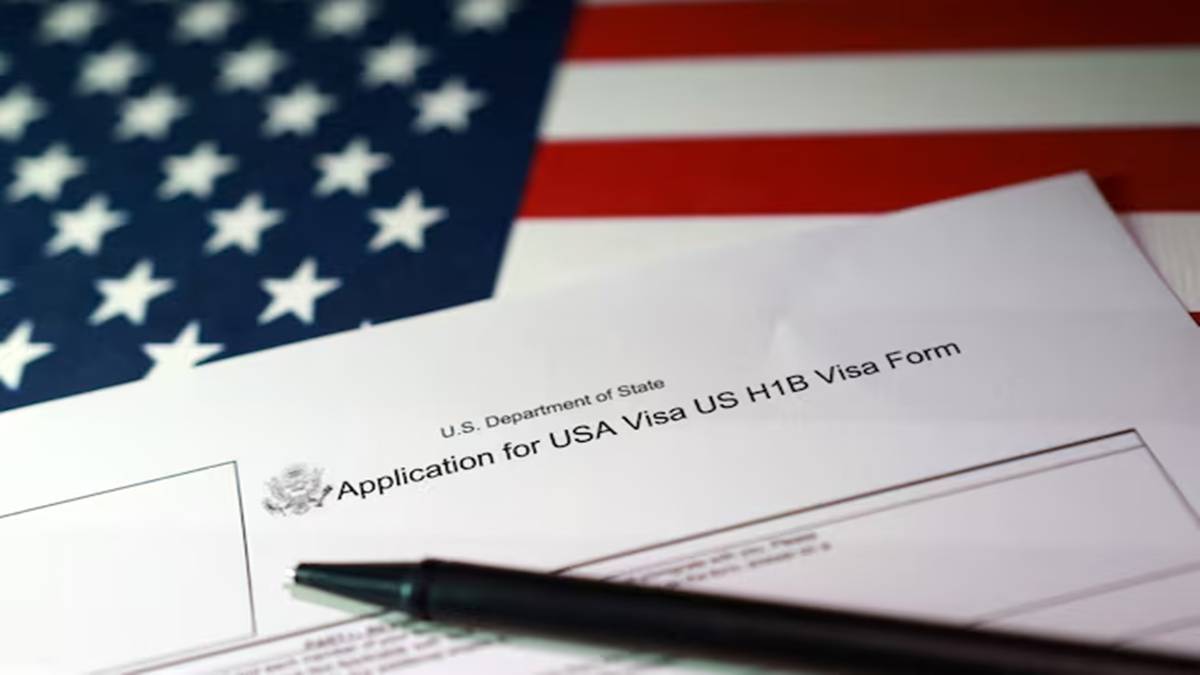
The U.S. government wants employers to pay a very large new fee when applying for certain H-1B workers.
The proposed fee is $103,265 for each application.
It would apply to jobs counted under the yearly H-1B limit, including some workers with advanced degrees from U.S. schools.
Employers would pay it in addition to other H-1B fees.
Universities and certain research organizations that are not subject to the yearly limit would generally be exempt.
The government says the money would help pay for immigration work done by several federal agencies.
Officials also expect the high cost to reduce the number of applications.
Immigration advocates say the fee could make it harder for American companies to attract skilled workers.
The plan is not final, and the public will have 30 days to comment after formal publication.

The Department of Homeland Security proposed a separate $103,265 fee for every cap-subject H-1B petition, including advanced-degree cases.
The fee would be paid when petitions are filed and added to all existing H-1B charges and other applicable payments.
DHS estimates the proposal would raise about $8.8 billion annually from roughly 85,000 petitions.
Cap-exempt petitions filed by certain universities, nonprofit research organizations and government research bodies would not be covered.
DHS says the fee would recover immigration-system costs, while advocates warn it could restrict legal immigration and reduce access to skilled workers.
- Who
- The Department of Homeland Security proposed the fee, which would be paid by employers filing cap-subject H-1B petitions.
- What
- A separate additional fee of $103,265 is proposed for each cap-subject H-1B petition.
- When
- The proposal was published or scheduled for publication in the Federal Register around August 25, 2026, with a 30-day public-comment period.
- Where
- The proposal concerns the U.S. H-1B immigration program and would distribute revenue among federal agencies.
- Why
- DHS says the fee would recover costs for adjudication, screening and other immigration-related activities; it also says the cost could discourage unnecessary hiring over qualified U.S. workers.
DHS and Supporters' Rationale
Immigration Advocates' Concerns
Purpose of the fee
DHS and Supporters' Rationale
DHS says the charge would recover costs incurred across the federal government to adjudicate, vet and support lawful immigration programs, including work by immigration courts, consular officials and labor-enforcement agencies.
Immigration Advocates' Concerns
Critics argue the proposal is effectively a large tax on businesses and part of a broader effort to restrict legal immigration.
Effect on U.S. workers
DHS and Supporters' Rationale
DHS says the fee could make employers less likely to choose an H-1B worker over a qualified American unless the foreign worker is genuinely needed, potentially protecting wages and job opportunities.
Immigration Advocates' Concerns
Advocates warn that reducing H-1B hiring could weaken the United States' ability to attract and retain skilled workers and could push jobs or businesses overseas.
Legal authority
DHS and Supporters' Rationale
DHS maintains that federal immigration law allows the government to set fees sufficient to recover the costs of immigration adjudication and naturalization services, and says cap-subject employers are generally better able to pay.
Immigration Advocates' Concerns
FWD.us President Todd Schulte and other critics question whether DHS can impose a fee far exceeding the direct cost of processing an individual petition without congressional approval. Previous reporting also described court challenges to a separate $100,000 H-1B payment, though the accounts differ on the precise court action.
- Proposed fee
- $103,265 per cap-subject H-1B petition
- Estimated annual revenue
- Approximately $8.8 billion
- Projected annual petitions
- About 85,000 cap-subject petitions
- H-1B allocation
- 65,000 regular-cap visas plus 20,000 advanced-degree-exemption visas
- Covered filings
- Cap-subject petitions, including petitions eligible for the advanced-degree exemption
- Exempt filings
- Certain cap-exempt petitions filed by higher-education institutions, nonprofit research organizations and government research bodies
- Current status
- Proposal subject to a 30-day public-comment period