Archive · 9 Nov 2025
Chief Justice Gavai: Legal Aid is a Moral Duty, Not Charity

The Chief Justice of India, B.R. Gavai, said that helping people who can't afford a lawyer is a very important duty, like a job for the government, not just a kind act.
He wants to make the system that helps these people, called legal aid, work better for a long time.
He suggested making a special group with past and future leaders to keep good ideas going, even when leaders change.
He also mentioned that people working in legal aid need to be understanding and work together with others, not just judge things from afar.
The goal is to make sure everyone gets justice and their voice is heard.
He stressed that this work is a core part of the Constitution.
He also asked for more teamwork, using technology wisely, and focusing on the dignity of people helped by legal aid.

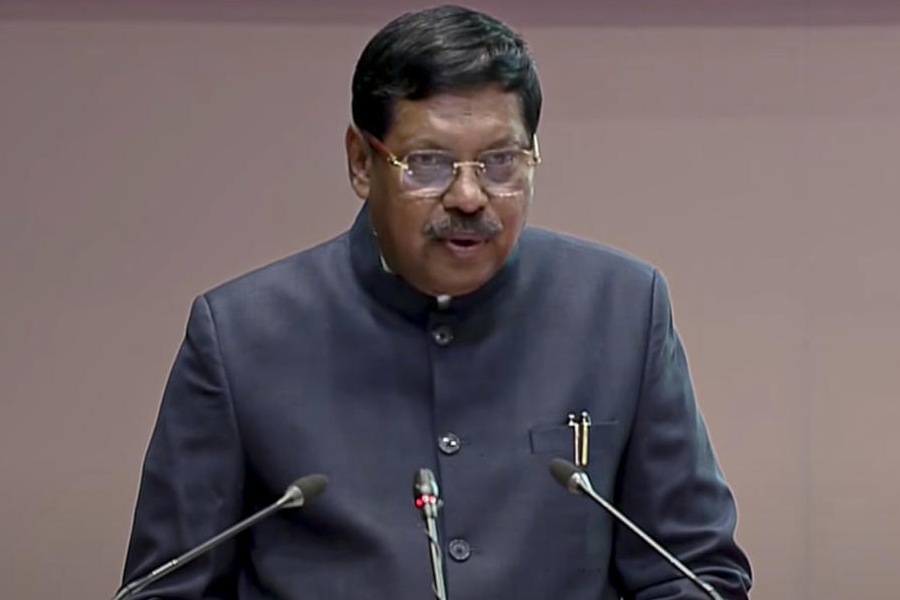
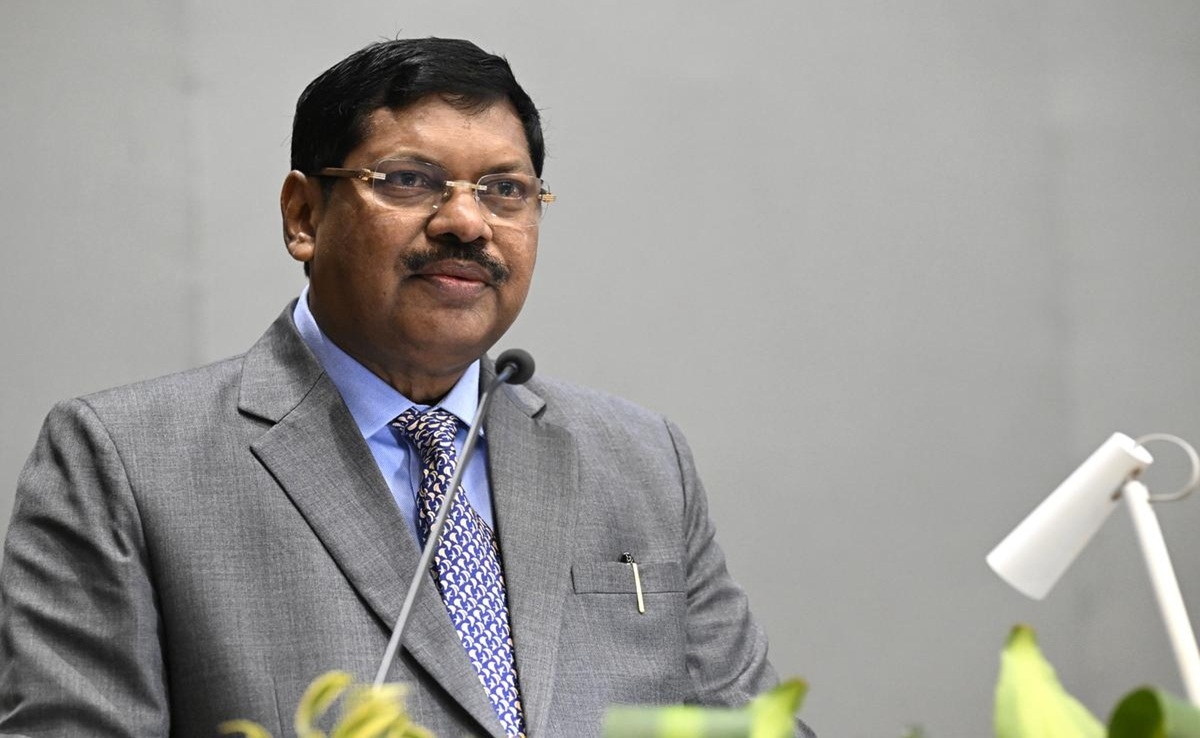
Chief Justice of India B.R. Gavai emphasized that legal aid is a moral duty and an exercise in governance, not mere charity.
He called for 'administrative imagination' to ensure the rule of law reaches all corners of the country through legal aid.
CJI Gavai proposed forming advisory committees at NALSA and SLSAs with current and future chairpersons for policy continuity.
He highlighted that legal aid personnel need empathy and collaboration, distinct from the dispassionate judgment of adjudication.
The remarks were made at the valedictory function celebrating NALSA's 30th anniversary and Legal Services Day.
- Who
- Chief Justice of India B.R. Gavai
- What
- Stated that legal aid is a moral duty, not charity, and advocated for administrative imagination and institutional reforms to strengthen legal aid delivery.
- When
- Sunday
- Where
- Valedictory function of the national conference on 'Strengthening Legal Aid Delivery Mechanisms' and Legal Services Day.
- Why
- To emphasize that the rule of law should extend to all citizens and to ensure continuity and long-term vision in the legal aid system.
Current System Limitations
Proposed Reforms
Leadership Continuity and Policy Planning
Current System Limitations
Priorities in legal aid are often determined by the limited tenure of individual executive chairpersons, leading to challenges in continuity and sustained implementation of initiatives.
Proposed Reforms
Establish an advisory committee with current and future executive chairpersons to ensure continuity in policy planning and long-term vision for legal aid programs.
Role and Sensibility of Legal Aid Personnel
Current System Limitations
Judicial training typically emphasizes maintaining distance and dispassionate judgment, which may not align with the empathy and collaboration required for legal aid work.
Proposed Reforms
Legal aid work demands empathy, collaboration, and the ability to see beyond procedure into the conditions producing injustice, requiring personnel to connect and reach out compassionately.
- Speaker
- Chief Justice of India B.R. Gavai
- Event
- Valedictory function of the national conference on 'Strengthening Legal Aid Delivery Mechanisms' and Legal Services Day
- Key Message
- Legal aid is a moral duty and an exercise in governance, not charity.
- Proposed Reform
- Creation of an advisory committee at NALSA and SLSAs with current and future executive chairpersons for policy continuity.
- Context
- NALSA's 30th anniversary and Legal Services Day, CJI Gavai's upcoming retirement.
- Call to Action
- Deepen collaboration, harness technology with a human touch, and measure progress by dignity restored.