

Archive · 25 May 2025
Parsi Gara: Revival of an Heirloom Textile Takes Off
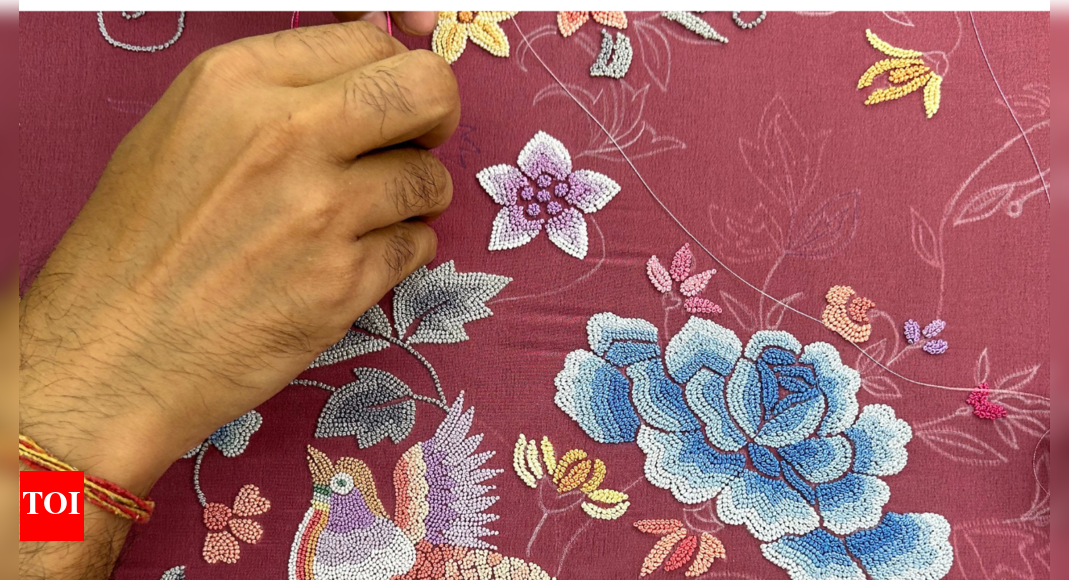
Imagine a beautiful, detailed embroidered sari called the Parsi Gara, which was like a family treasure.
It was created long ago when traders brought silk from China.
These saris were worn by Parsi women.
However, fashion changed, and these saris were forgotten for a while.
Now, people are bringing them back, with celebrities even wearing them.
People are learning about the history and importance of this craft.
It's like a special piece of art that's coming back to life, and people are trying to keep the tradition going.

The Parsi Gara sari, once a hidden family heirloom, is experiencing a resurgence in popularity.
Parsi merchants brought embroidered silks from China in the 18th and 19th centuries, which evolved into the Gara sari.
The decline of the Gara happened due to changing fashion trends and the impact of the Communist movement in China.
Contemporary designers are revitalizing the craft by creating new designs and educating people about its history.
Challenges remain, including the cost of authentic Garas and the loss of traditional artisans.
- Who
- Parsi community, fashion enthusiasts, designers, and textile revivalists.
- What
- The revival of the Parsi Gara sari, a traditional hand-embroidered textile.
- When
- The resurgence began recently, fueled by celebrity endorsements and revival efforts.
- Where
- Initially, in the Parsi community of India, and now globally.
- Why
- Due to a rediscovery of cultural heritage and revival efforts.
- Textile Type
- Intricately embroidered sari
- Origin
- 18th and 19th centuries
- Origin of Embroidery
- Parsi merchants trading with China
- Notable Wearers
- Natasha Poonawalla, Nita Ambani, Cherie Blair
- Characteristics
- Hand-embroidered, with intricate motifs