Archive · 2 Oct 2026
Bengal SIR Tribunal Judge Threatens Resignation Over Massive Backlog
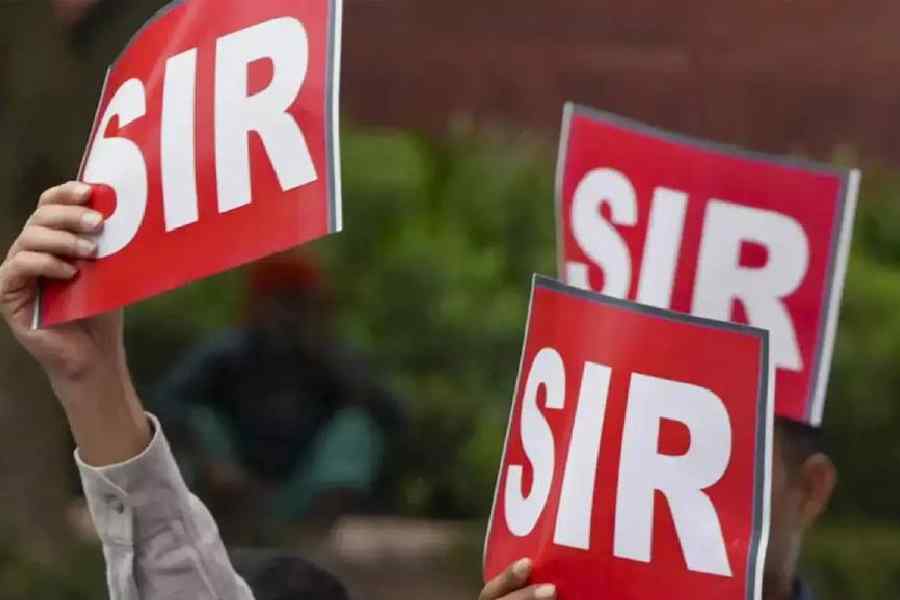
West Bengal checked its voter list in an exercise called SIR.
Many people lost their names from the list and appealed against those decisions.
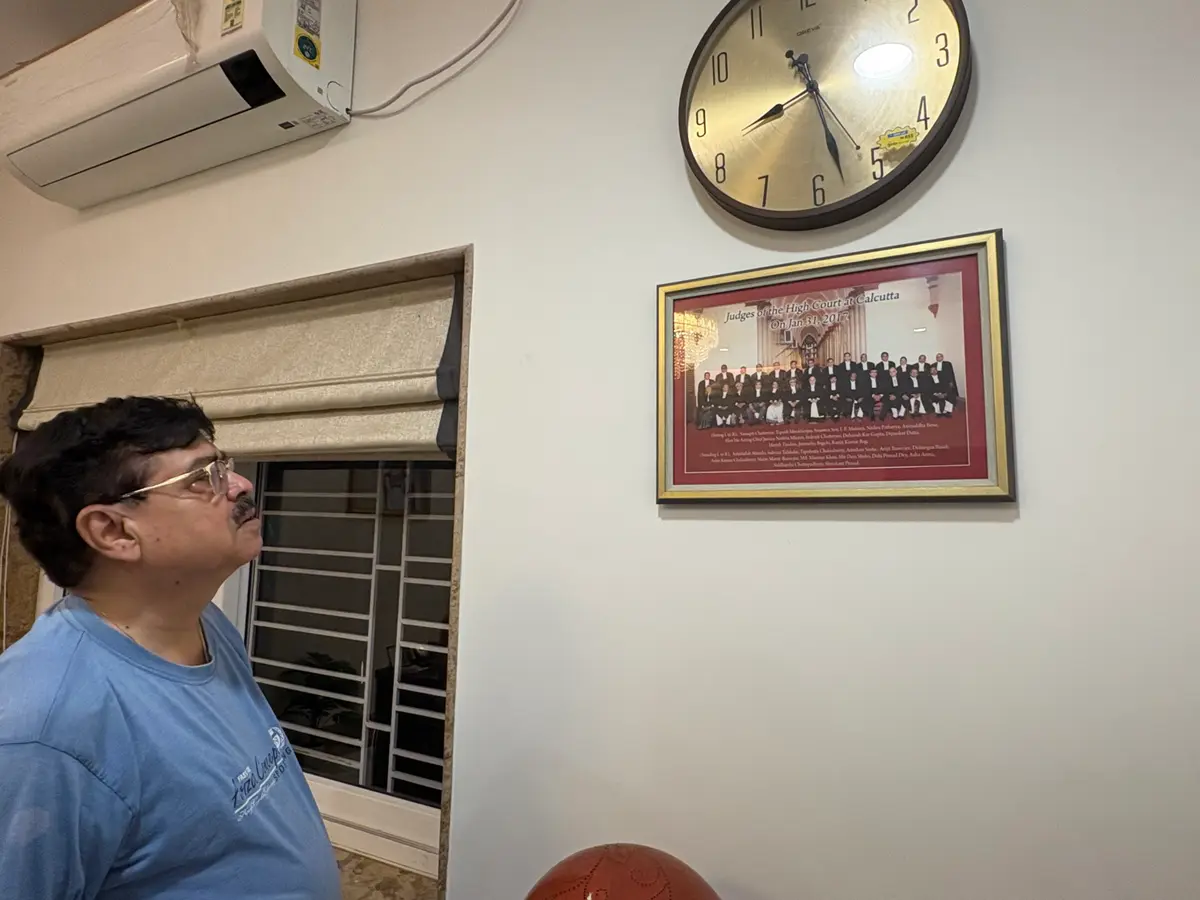
One retired judge, Indrajit Chatterjee, has about 5.3 lakh appeals waiting in his tribunal.
Another report says 6,35,983 appeals were assigned to that tribunal.
He can usually decide only about 10 cases each day.
At that speed, finishing the cases could take about 145 years.
He says traveling from Salt Lake to Joka takes two to four hours and wants to work from home or somewhere closer.
If that does not happen, he says he may resign on November 2.

Justice (retd) Indrajit Chatterjee has decided 425 appeals, restoring 350 voter names and upholding 75 deletions.
His Murshidabad tribunal has roughly 5.3 lakh pending appeals, while another account cites 6,35,983 appeals assigned to it.
Chatterjee says he can decide about 10 cases daily and may resign on November 2 unless allowed to work from home or closer to Salt Lake.
The Election Commission told the Supreme Court that more than 37 lakh of over 38 lakh nationwide appeals remain pending.
More than 27 lakh voters were deleted after adjudication during West Bengal’s SIR exercise, with Murshidabad recording the most “logical discrepancy” deletions.
- Who
- Justice (retd) Indrajit Chatterjee, other tribunal judges, affected voters, the Election Commission of India, the Supreme Court of India and the Calcutta High Court are involved.
- What
- Appellate tribunals are handling challenges to voter-name deletions and inclusions, but face a severe backlog and staffing and logistical problems.
- When
- The tribunals began functioning on April 13; Chatterjee says his resignation would take effect on November 2 unless his working arrangement changes.
- Where
- The matter concerns West Bengal, especially Murshidabad; Chatterjee’s hearing centre is in Joka, while he lives in Salt Lake.
- Why
- The appeals were filed after voter names were deleted or otherwise affected during West Bengal’s special intensive revision of electoral rolls.
Backlog critics and tribunal judge
Election authorities
Capacity and delays
Backlog critics and tribunal judge
Chatterjee and the Sangrami Ganamancha say the huge backlog requires more tribunals, faster hearings and greater accountability.
Election authorities
The state election commission says the tribunals were established under the Supreme Court of India’s direction and that it cannot alter their functioning.
Working arrangements
Backlog critics and tribunal judge
Chatterjee says the commute to Joka is a major logistical burden and wants to hear appeals from home or a closer venue.
Election authorities
The functioning of the tribunals is decided by an administrative panel headed by the Chief Justice of the Calcutta High Court, rather than by the state election commission.
Voter deletions
Backlog critics and tribunal judge
The Sangrami Ganamancha says voting rights should be restored for people wrongly removed and has planned protest rallies.
Election authorities
Election authorities have reported the appeal and adjudication figures to the Supreme Court of India; the articles do not provide a separate response to the group’s allegations.
- Tribunal structure
- Nineteen appellate tribunals were constituted in West Bengal.
- Chatterjee’s decisions
- 425 appeals: 350 names restored and 75 deletions upheld.
- Chatterjee’s backlog
- About 5.3 lakh appeals; a separate account says 6,35,983 were assigned to his tribunal.
- Estimated completion time
- About 145 years at roughly 10 decisions per day, assuming work every day.
- Statewide appeals
- More than 38 lakh filed; over 37 lakh pending and about 1.02 lakh disposed of.
- Voter deletions
- More than 27 lakh voters were deleted after adjudication in West Bengal.
- Resignation deadline
- November 2, unless Chatterjee is allowed to work from home or a closer venue.