Archive · 18 Dec 2025
2025 Internet Defined by Parasocial, Rage Bait, and Slop
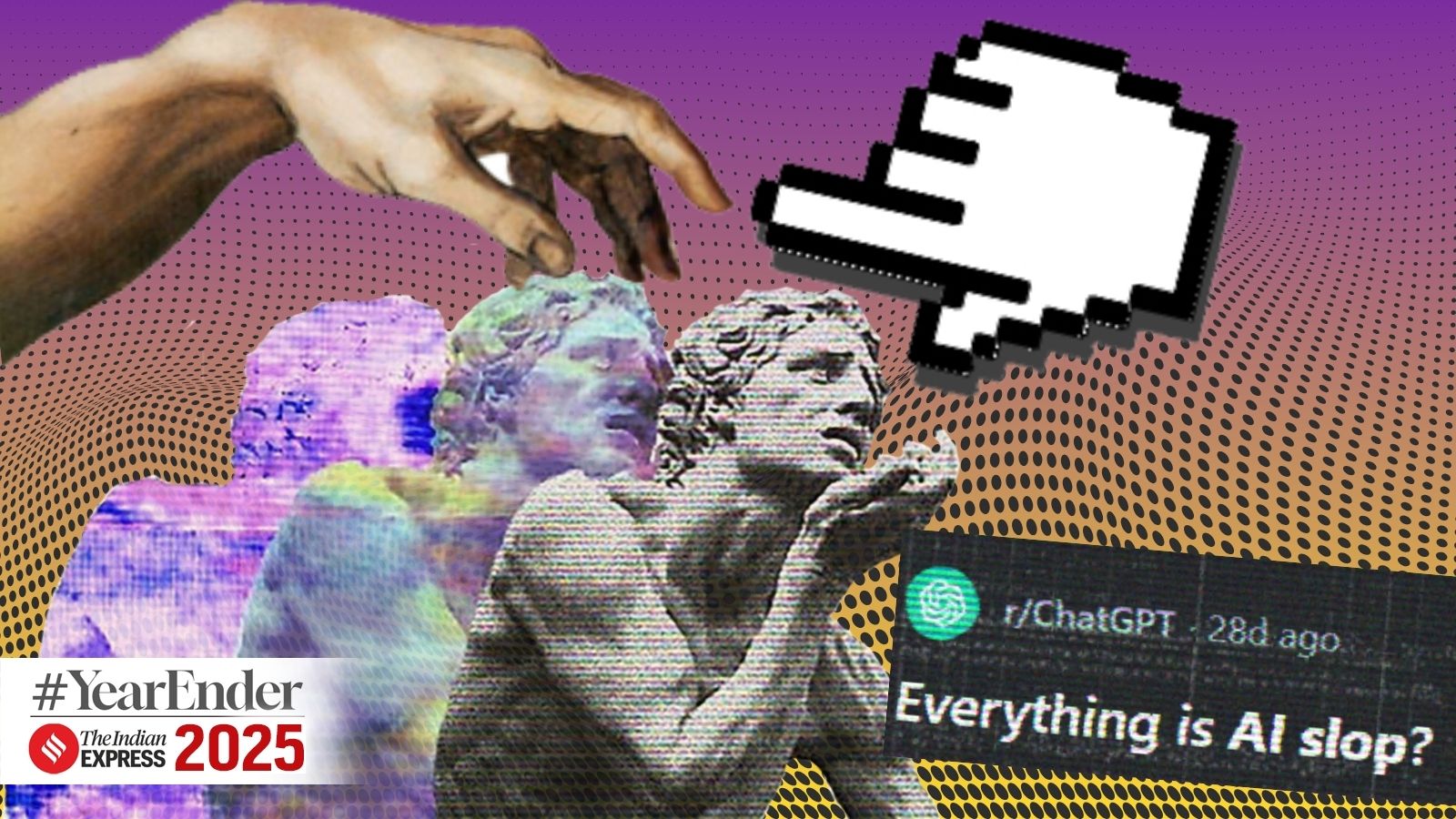
In 2025, the internet was shaped by three key elements: parasocial relationships, rage bait, and slop.
Parasocial relationships are one-sided connections people feel with influencers, making them feel like they know them personally.
Rage bait is content designed to provoke anger or outrage, which keeps people emotionally engaged.
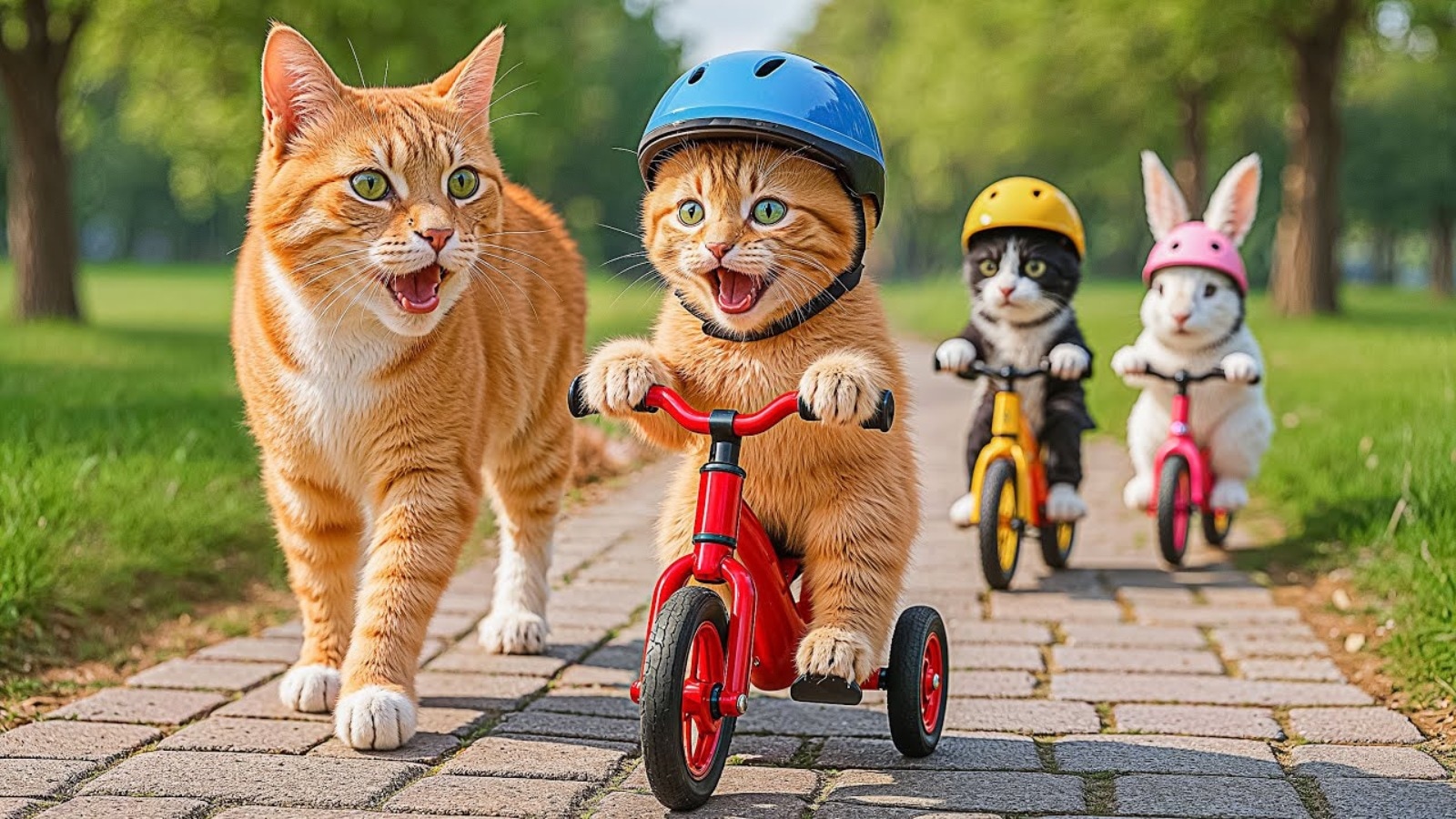
Slop refers to low-quality, AI-generated content that fills feeds and keeps people scrolling.
Together, these elements create a loop that's hard to escape, as platforms reward quick, reactive content.
This has led to a flattening of the internet, where emotional intensity trumps originality and nuance.
Even regular users contribute to this cycle by curating their posts for maximum impact.
As a result, people are feeling overstimulated and exhausted, leading to trends like digital detoxes and 'posting zero'.

Parasocial relationships create one-sided emotional connections with influencers.
Rage bait is content designed to provoke anger or outrage for engagement.
Slop is low-quality, AI-generated content that fills feeds and keeps people scrolling.
Algorithms reward quick, reactive content, leading to a flattening of the internet.
Regular users also contribute to the cycle by curating posts for maximum impact.
- Who
- Gen Z and internet users
- What
- The internet's influence through parasocial relationships, rage bait, and slop
- When
- 2025
- Where
- Online platforms and social media
- Why
- To increase engagement, emotional activation, and content consumption
- Parasocial
- One-sided, emotionally loaded relationships with public figures
- Rage Bait
- Content designed to provoke anger or outrage for engagement
- Slop
- Low-quality, AI-generated digital content produced in quantity
- Active Digital Creators in India
- 2-2.5 million
- Impact of AI
- Increases efficiency but threatens creativity and human jobs