Archive · 24 Sep 2026
Meta Launches Camera-Free Ray-Ban Audio Glasses Amid Privacy Backlash
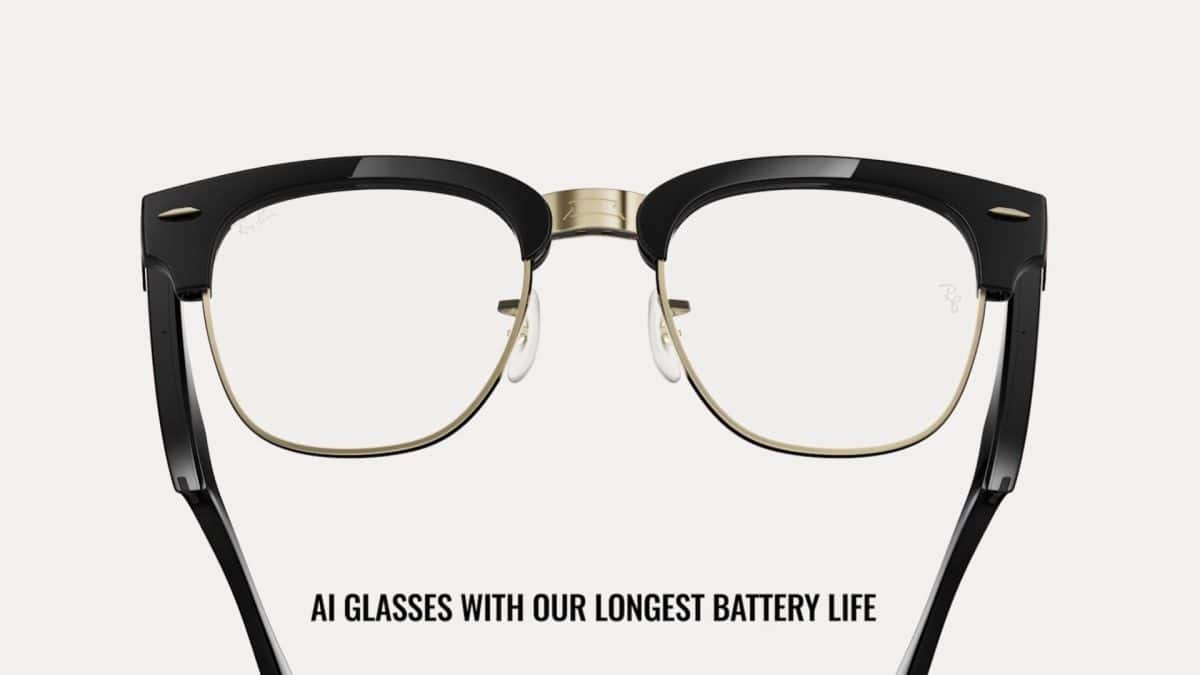
Meta made new smart glasses called Ray-Ban Meta Audio.
These glasses do not have cameras, so they cannot take pictures or videos.
They are designed for listening to music and podcasts, making calls and translating speech.
People can also use Meta’s Muse assistant through the glasses.
Meta says they weigh 43 grams and can work for up to 12 hours.
They cost at least $349 and are connected with October 13 availability, although reports differ on whether that is the shipping or preorder date.
Critics say the glasses could still record audio without clearly warning nearby people.
Meta also announced new camera-equipped glasses and a separate virtual-reality device.

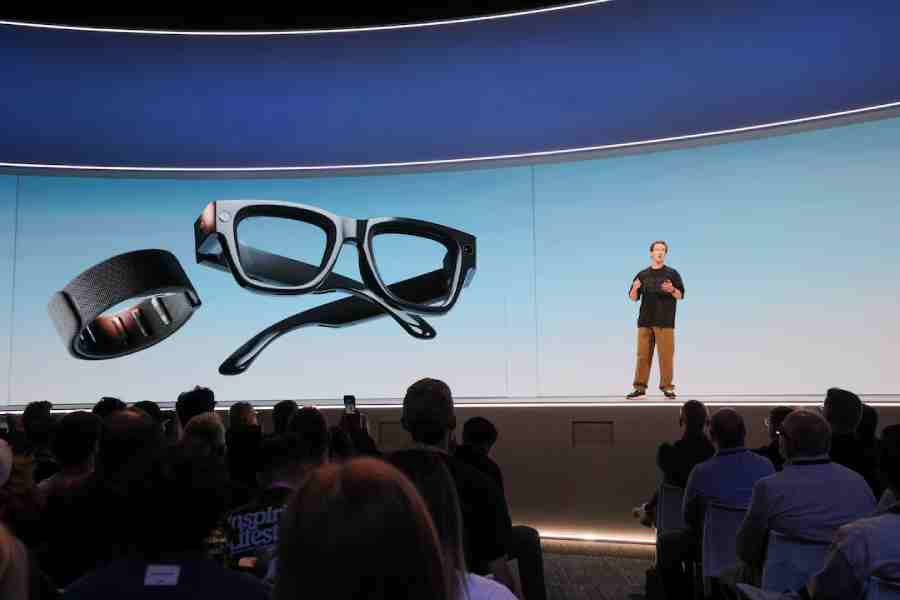
Meta introduced the camera-free Ray-Ban Meta Audio glasses at its Connect 2026 event.
The glasses focus on music, podcasts, calls, speech translation and Meta’s Muse AI assistant.
They start at $349, offer 23 color-and-lens combinations and are tied to October 13 availability.
Meta says the 43-gram glasses provide up to 12 hours of use, with up to 48 hours from the charging case.
Meta also unveiled camera-equipped Ray-Ban Meta Gen 3 glasses and a $1,299 virtual-reality device planned for spring 2027.
- Who
- Meta, working with EssilorLuxottica, introduced the Ray-Ban Meta Audio glasses; Meta CEO Mark Zuckerberg discussed the product.
- What
- Meta unveiled camera-free AI glasses focused on audio, calls, translation and hands-free access to its Muse assistant.
- When
- The glasses were unveiled Wednesday at Connect 2026 and are associated with October 13 availability; the virtual-reality device is planned for spring 2027.
- Where
- The announcements were made at Meta’s Connect conference in Menlo Park, California.
- Why
- Meta said the design meets demand for high-quality audio in an eyewear format, while the lack of a camera offers an alternative amid privacy and consent concerns.
Privacy and Demand Concerns
Audio and AI Convenience
Whether removing the camera solves privacy concerns
Privacy and Demand Concerns
Critics say the glasses can still record audio without a clear signal to bystanders, leaving consent concerns unresolved.
Audio and AI Convenience
Meta says the audio-only design avoids video recording and addresses demand for high-quality sound in an everyday eyewear format.
Whether camera-free glasses will attract consumers
Privacy and Demand Concerns
Analysts say removing photo and video features could reduce demand and make consumers question why they need the glasses instead of wireless earbuds.
Audio and AI Convenience
Meta says audio has been its most popular feature and that glasses provide sound without closing users off from the surrounding world.
Prospects for Meta’s broader wearable strategy
Privacy and Demand Concerns
Analysts question whether expensive virtual-reality hardware, privacy disputes and familiar use cases will allow the products to reach mainstream consumers.
Audio and AI Convenience
Meta is expanding Muse to support shopping, appointments, computer use and other tasks through voice commands across its glasses lineup.
- Starting price
- $349 for Ray-Ban Meta Audio
- Availability
- October 13; reports differ on whether this is the shipping date or preorder date
- Battery life
- Up to 12 hours for the glasses and up to 48 total hours with the charging case
- Weight
- 43 grams for Ray-Ban Meta Audio
- Design options
- 23 color-and-lens combinations, including Clubmaster and Burbank frames
- Ray-Ban Meta Gen 3
- Camera-equipped glasses with a 12-megapixel camera, 3K Ultra HD video and up to nine hours of battery life
- Virtual-reality device
- $1,299, approximately 100 grams, with a separate battery and processor puck; planned for spring 2027