

Archive · 6 Nov 2025
Ex-Spymaster on Global Power Dynamics and India's Strategic Play
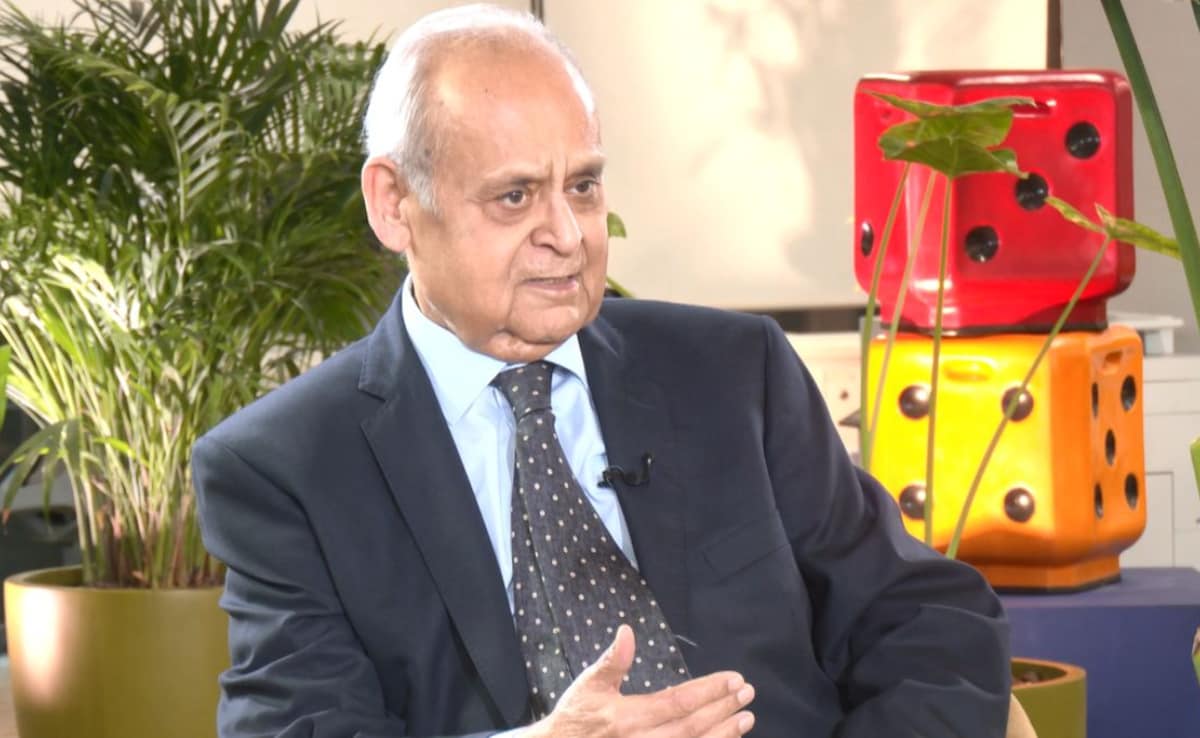
Imagine the world is like a playground where big kids like America and China are playing a game.
An expert who used to work for India's secret service, named Vikram Sood, explained how these big kids play.
He said China watches America and thinks America is getting weaker, which makes China feel stronger and more able to cause problems for India, especially because they share a border.
He also said India hasn't studied America well enough and that America is acting tough with things like trade rules because it's worried about not being the strongest anymore.
Pakistan is like a kid who can cause a lot of trouble, even threatening with toys, but probably won't use them.
He thinks Pakistan will always be a problem for India.
Even though it's sad, India might have to talk to leaders in Afghanistan, even if they do bad things, because it's what's best for India's own safety and interests.
Mr. Sood is sharing these ideas in a new book and an interview.

Former R&AW chief Vikram Sood analyzes current global power dynamics involving the US, China, and Pakistan.
Sood identifies China as an 'instant threat' to India due to border proximity and perceived US weakening.
He suggests India needs to study the US more thoroughly, noting US tariffs may be a sign of underlying insecurity.
Pakistan is described as a persistent 'nuisance' with a mindset unlikely to change, though nuclear blackmail is seen as unlikely.
Sood advocates for India to pursue its self-interest in engaging with Afghanistan, despite regional challenges.
- Who
- Vikram Sood, former spymaster and head of R&AW
- What
- Shared insights on international relations, the strategic positioning of India amidst global power plays, and national security concerns.
- When
- Implied recently, in an interview with NDTV, following the publication of his book.
- Where
- In an interview with NDTV.
- Why
- To offer his expert analysis on current geopolitical dynamics and advise on India's long-term strategy.
China's Intentions
India's Assessment
China's View of US Weakness
China's Intentions
China perceives the US under Trump as weakening.
India's Assessment
This perceived US weakness puts India in a precarious situation, as China is an 'instant threat' due to its border proximity and historical distrust of India.
US Trade Policies
China's Intentions
The US, under Trump, is using steep tariff hikes to assert its dominance and signal it is still 'numero uno'.
India's Assessment
These tariffs may have backfired, raising prices in the US and potentially hurting American industry due to a lack of manufacturing capability, as the US has become more of a goods and services economy.
Pakistan's Strategy
China's Intentions
Pakistan's nuclear threat during Operation Sindoor was a desperate 'child-like' move, and no one is likely to initiate nuclear war.
India's Assessment
Pakistan's inherent mindset, rooted in its Islamic identity, means it will remain a persistent problem for India, even if it cannot achieve outright victory. India must be prepared for ongoing 'Pakistani problems'.
India's Engagement with Afghanistan
China's Intentions
Dealing with the Taliban in Afghanistan is a strategic necessity for India, despite the Taliban's treatment of women, which is regrettable.
India's Assessment
India's engagement with Afghanistan serves its self-interest, particularly in countering Pakistan and ensuring Afghanistan's alignment, similar to how other nations engage with controversial leaders.
- Former Role
- Head of Research and Analysis Wing (R&AW)
- Retirement Year
- 2003
- Years of Service
- 31
- Recent Publication
- 'Great Power Games' (book)
- Key Nations Discussed
- US, China, Russia, Pakistan, Afghanistan
- Most Challenging Situations (Personal Experience)
- Kargil War, IC-814 hijacking (1999)