

Archive · 8 Nov 2025
Government Panel Recommends Revising India's Quality Control Orders Due to Industrial Strain
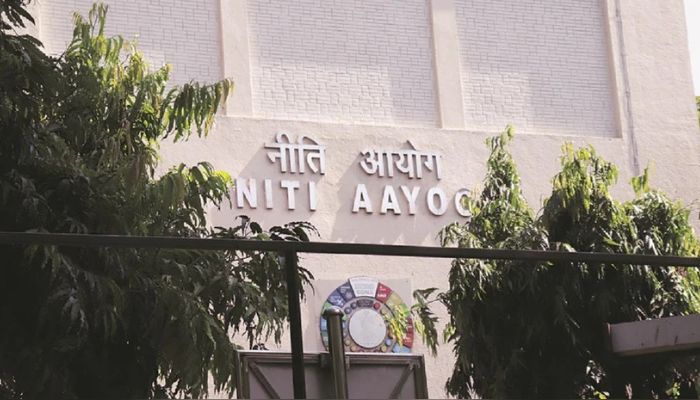
Imagine India has rules to make sure products are safe and good, called Quality Control Orders (QCOs).
Lately, there are too many of these rules, even for the basic materials used to make things.
A special government group, with people from different industries, thinks these rules are making it hard and expensive for Indian companies to make their products.
They are suggesting that these rules should mostly be for the final products you buy, not the ingredients.
They want to get rid of some rules and pause others to help businesses, especially smaller ones, to compete better.
This is because too many rules are causing factories to slow down and making things more expensive, which also affects sales to other countries.
The goal is to keep products good and safe without making it too hard for Indian businesses.

A NITI Aayog-led panel suggests India reconsider its approach to Quality Control Orders (QCOs).
The panel argues that the increasing number of mandatory QCOs is costly and disrupting industrial supply chains.
It is recommended that QCOs primarily focus on finished goods impacting consumer safety, health, and quality.
The committee proposes cancelling, suspending, or delaying QCOs on over 200 products and scrapping 27 existing QCOs on raw materials.
Concerns exist that QCOs, which have expanded significantly, could act as non-tariff trade barriers for international trade.
- Who
- A high-level government panel led by NITI Aayog member Rajiv Gauba, including representatives from government ministries and industry groups.
- What
- Recommended reconsidering India's approach to Quality Control Orders (QCOs) due to rising costs and supply chain disruptions for industries.
- When
- An internal report was submitted last month, with the panel's recommendations now being publicized.
- Where
- India
- Why
- The extensive number of mandatory QCOs, including on raw materials, has made compliance costly, hurt exports, and put regulatory pressure on the manufacturing sector, particularly MSMEs.
Industry & NITI Aayog Panel View
Rationale for QCOs
Impact of QCOs
Industry & NITI Aayog Panel View
Rising number of mandatory Quality Control Orders (QCOs) are costly, disrupt supply chains, and put regulatory pressure on manufacturing, especially MSMEs.
Rationale for QCOs
QCOs ensure safety, health, and quality of products, especially finished goods that directly affect consumers.
Scope of QCOs
Industry & NITI Aayog Panel View
QCOs should primarily apply to finished goods, not raw materials and intermediate products, as restrictions on these have increased costs and hurt exports.
Rationale for QCOs
Currently, QCOs are applied broadly to ensure quality across various stages of production.
Need for Reconsideration
Industry & NITI Aayog Panel View
Over 200 products may have QCOs cancelled, suspended, or delayed; 27 existing QCOs on raw materials recommended for scrapping.
Rationale for QCOs
QCOs are legally binding rules to ensure standards, unlike voluntary ones, and have seen dramatic expansion.
- Panel Lead
- Rajiv Gauba, NITI Aayog member
- Committee Members
- DPIIT, Ministry of MSME, FICCI, CII, ASSOCHAM
- Recommendation
- Reconsider QCO approach, focus on finished goods, cancel/suspend/delay QCOs on ~200 products, scrap 27 existing QCOs on raw materials.
- QCO Growth
- From 70 products in 2016 to around 790 currently
- Concerns Raised
- US and EU flagged QCOs as potential non-tariff trade barriers