2 weeks ago
Gold Loans Rise as Indians Borrow Against Jewellery Instead

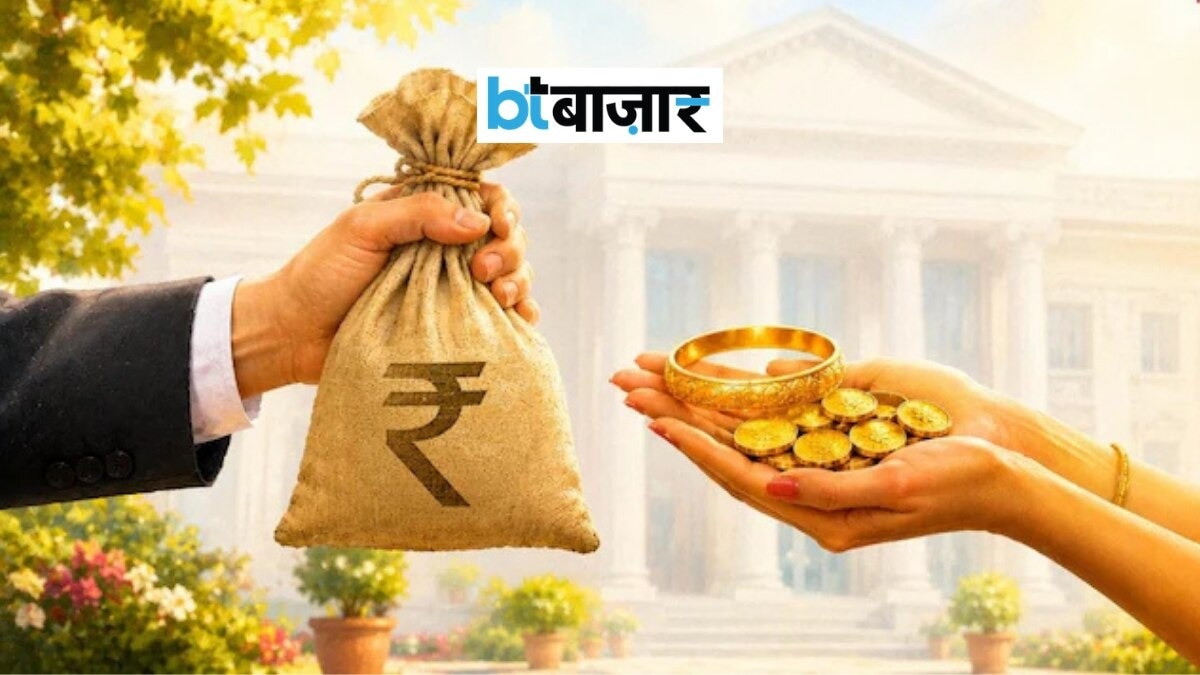
Many Indian families own gold jewellery and do not want to sell it.
Instead, they can give the jewellery to a lender as security for a loan.
The lender provides money based partly on the gold’s value.
When the borrower repays the loan, the jewellery can be returned.
Gold prices rose sharply in 2026, allowing people to borrow more against the same jewellery.
Gold loans can help with medical bills, education, business needs or other large expenses.
Banks and non-bank lenders are offering more of these loans.
The Reserve Bank of India has introduced rules to make this lending more consistent.

NBFC credit against jewellery rose 68.5% year-on-year in July 2026, while bank credit against gold jewellery increased 88.1%.
Outstanding gold-backed credit reached about Rs. 3.54 lakh crore for NBFCs and Rs. 5.52 lakh crore for banks by July 2026.
Higher gold prices increased the amount households could borrow while keeping the same jewellery as collateral.
Borrowers can reclaim pledged jewellery after repayment, making gold loans an option for medical, education, business and other expenses.
The Reserve Bank of India’s 2025 rules standardised gold-loan valuation, assaying, loan-to-value limits and collateral release requirements.
- Who
- Indian households, banks and non-bank financial companies are involved in the expanding gold-loan market.
- What
- Borrowing against pledged gold jewellery has increased sharply, with banks and NBFCs reporting higher outstanding credit.
- Where
- India.
- When
- The reported increase occurred through July 2026; the relevant RBI lending directions were introduced in 2025.
- Why
- Higher gold prices increased borrowing capacity, while borrowers sought to access cash without permanently selling jewellery and lenders expanded secured lending.
Key facts
- NBFC growth
- Credit against jewellery by NBFCs, including housing finance companies, rose 68.5% year-on-year in July 2026.
- Bank growth
- Bank credit against gold jewellery increased 88.1% year-on-year in July 2026.
- NBFC outstanding credit
- Approximately Rs. 3.54 lakh crore at the end of July 2026.
- Bank outstanding credit
- Approximately Rs. 5.52 lakh crore at the end of July 2026.
- Gold-price increase
- India’s domestic gold price rose 59% year-on-year during Q2 2026.
- Maximum LTV
- The 2025 framework permits 85% for loans up to Rs. 2.5 lakh, 80% for loans above Rs. 2.5 lakh up to Rs. 5 lakh, and 75% above Rs. 5 lakh.
- Source note
- The article was distributed as a NewsVoir press release and carries an advertorial disclaimer.
Sources
Related news

NBFC Gold Loans Rise 68.5% as Retail Credit Accelerates

NBFC Retail Credit Surges as Gold Loans Lead Growth
Gold Rise Could Add 100 Basis Points to India GDP
Gold-loan NBFCs face tougher competition as banks expand offerings

Three NBFCs Position for India’s Next Unsecured Credit Cycle

Gold Sales Weaken During Ganesha Chaturthi as Prices Surge

Brokerages Favor PNB, Canara, Indian Bank After Q2 Updates

Uruguay Beat India 3-1 in 1982 Nehru Cup
Sikkim Dance Academy to Represent India at Vietnam Festival

Punjab to Challenge High Court CBI Probe Order in Supreme Court

JBL Launches PartyBox Speakers and EasySing AI Microphones in India