Archive · 22 Jul 2026
Mumbai-Ahmedabad Bullet Train Electrification Project Advances
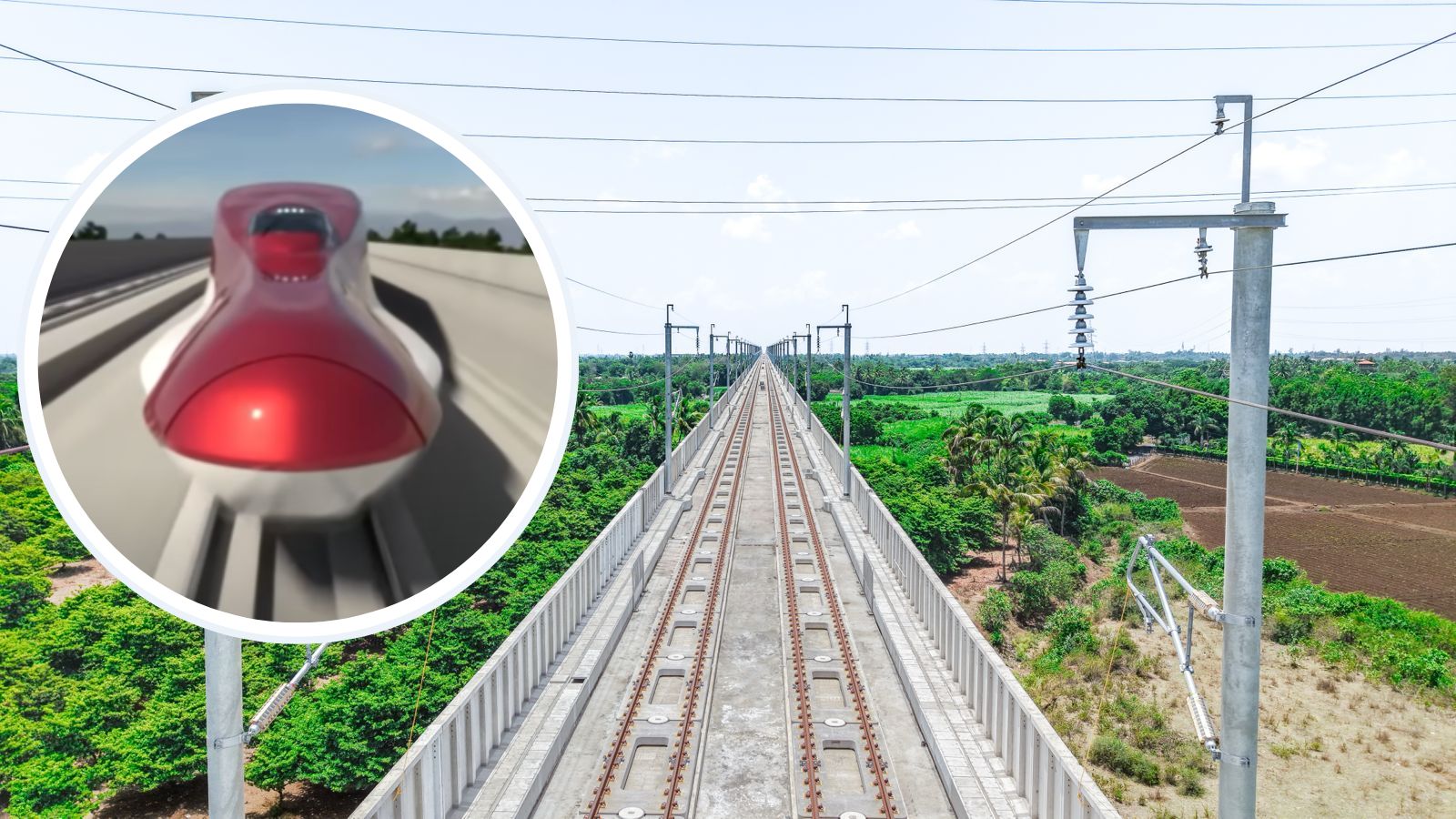
The Mumbai-Ahmedabad Bullet Train project is making progress with the electrification of its 508-kilometer corridor.
This project is special because it's the first time India is using a high-speed 2×25 kV overhead traction system, which will allow trains to run at speeds up to 320 kmph.
The project is also helping India make more of its own parts, like transformers and wires.
There are 14 traction substations, 31 switching posts, and 16 distribution substations being built to ensure the power supply is reliable.
Safety is a big focus, with earthquake detectors and real-time monitoring.
This project is not only about building a fast train but also about making India's manufacturing stronger.

Electrification work on the 508-km Mumbai-Ahmedabad Bullet Train corridor is progressing rapidly.
India's first high-speed 2×25 kV overhead traction system is being installed.
The project includes 14 traction substations, 31 switching posts, and 16 distribution substations.
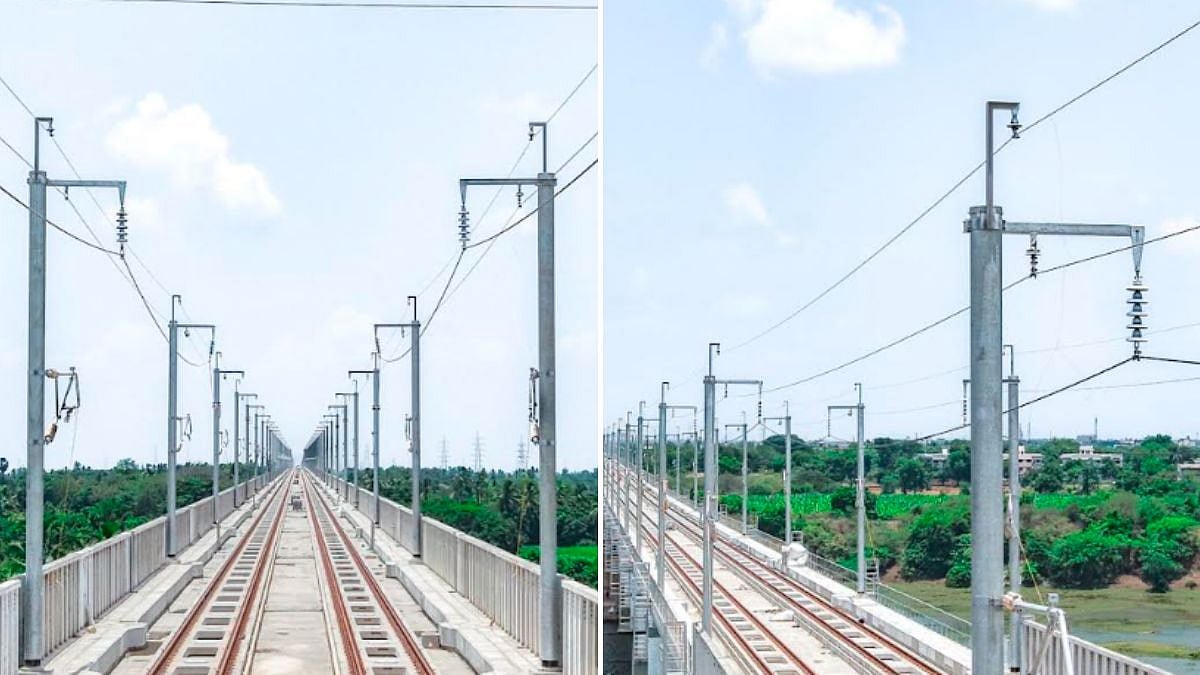
Nearly 22,000 steel masts and 25,700 cantilever assemblies are being used for the overhead electrification system.
The project supports indigenous manufacturing with major components being produced domestically.
- Who
- National High Speed Rail Corporation Ltd (NHSRCL)
- What
- Electrification of the Mumbai-Ahmedabad Bullet Train corridor
- When
- Ongoing
- Where
- Maharashtra and Gujarat, India
- Why
- To provide uninterrupted power supply for high-speed trains and boost indigenous manufacturing
Proponents of Indigenous Manufacturing
Critics of High-Speed Rail Projects
Economic Impact
Proponents of Indigenous Manufacturing
The project boosts indigenous manufacturing and supports the Make in India initiative.
Critics of High-Speed Rail Projects
Critics argue that the high cost of the project could be better spent on other infrastructure needs.
- Project Length
- 508 km
- Maximum Speed
- 320 kmph
- Traction Substations
- 14
- Switching Posts
- 31
- Distribution Substations
- 16
- Steel Masts
- 22,000
- Cantilever Assemblies
- 25,700
- Seismometers
- 28