

2 weeks ago
Nvidia's Jensen Huang Says Physical Infrastructure Is AI's Next Bottleneck

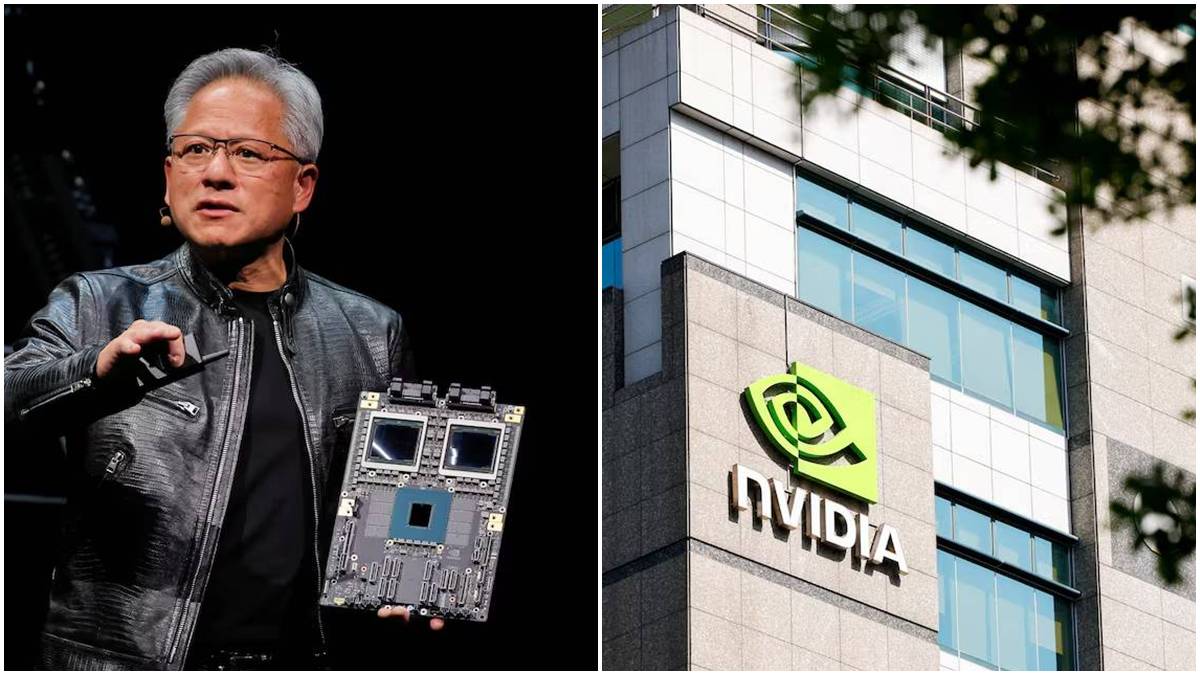
The boss of a company called Nvidia, Jensen Huang, builds special computer parts that help make artificial intelligence, or AI, work.
AI is like a super-smart computer brain that can learn new things.
Many companies want to use AI, so they need more computers.
But Mr. Huang says having the computer parts is not enough anymore.
These powerful computers need a lot of electricity to run.
They also need big buildings, called data centres, with enough space.
Companies also need land to build those buildings.
That means finding a place with enough power and space is a new challenge.
So the next big problem for AI may not be making smarter parts, but finding the land, energy, and buildings to put them in.

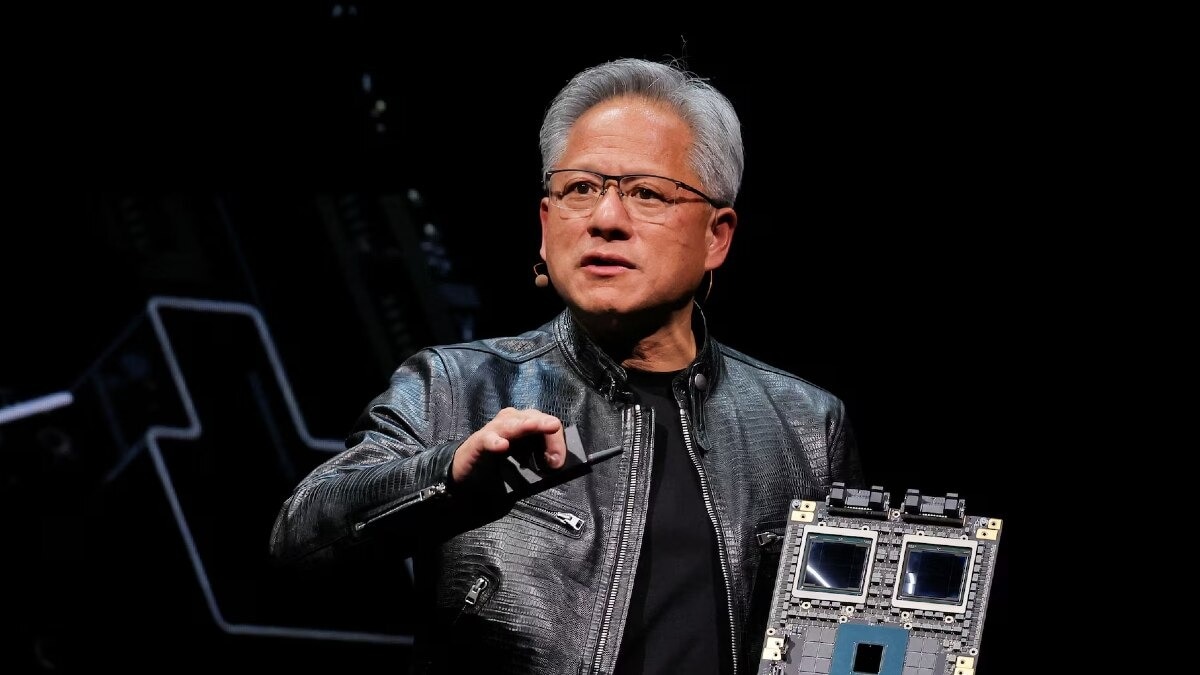
Nvidia CEO Jensen Huang says the next phase of AI growth will depend on more than chips and computing power.
Huang identified land, electricity and ready-to-use data-centre facilities as increasingly important resources.
He described a major shift in the AI industry toward physical infrastructure.
AI companies are racing to expand their computing capacity, driving the need for infrastructure.
According to Huang, access to physical infrastructure is becoming a key constraint for AI's next phase.
- Who
- Jensen Huang, CEO of Nvidia
- What
- Warned that AI's next growth bottleneck will be physical infrastructure — land, electricity and data-centre facilities — not just chips and computing power
- Where
- Not specified in the article
- When
- Not specified in the article
- Why
- Because AI companies are racing to expand their computing capacity and need physical infrastructure to support that growth
Key facts
- Speaker
- Jensen Huang, Nvidia CEO
- Company
- Nvidia
- Core claim
- Physical infrastructure, not just chips, will drive AI's next phase
- Key resources cited
- Land, electricity, ready-to-use data-centre facilities
- Context
- AI companies racing to expand computing capacity
Sources
Related news

Nvidia to Lease Land and Power for AI Factories

Jensen Huang Defends Nvidia Against OpenAI Chip Competition

Jensen Huang Says AI Will Change Jobs, Not Eliminate Them

Nvidia Denies Report of New China-Specific AI Chip

Jensen Huang Says AI Will Create Jobs Despite Disruption
Nvidia Earnings Smash Estimates as AI Infrastructure Demand Surges
US Urges G20 Lighter AI Rules as China Advances

Sanders Backs Gates Warning About AI Job Losses
Nvidia CEO Says AI Is Reindustrialising America, Reviving Jobs
AI Week: Chip Breakthroughs, Brain Surgery and Quantum Campus
