Archive · 25 Jan 2026
Ammonia levels in Yamuna decreasing, improving Delhi water supply

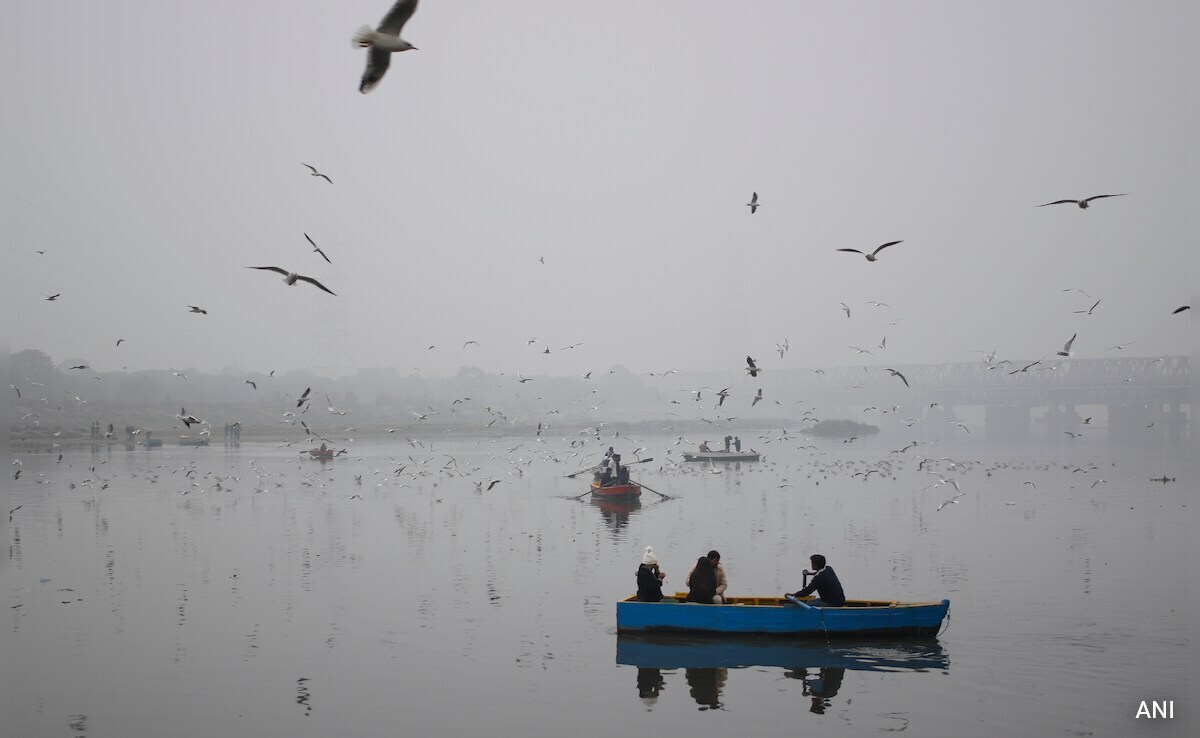
The Yamuna River in Delhi has been having too much ammonia, which made it hard to treat the water.
This meant that some water treatment plants couldn't work properly, and people in Delhi didn't get enough water.
But now, the ammonia levels are going down, so the water treatment plants can start working better again.
The government is working to fix the problem, and things should get back to normal soon.
All the canal-based water treatment plants are working at full capacity, and a temporary maintenance issue has been fixed.

Ammonia levels in the Yamuna River are decreasing, improving water supply in Delhi.
Five water treatment plants (WTPs) faced issues due to high ammonia levels, reducing water supply.
Wazirabad WTP is operating at 85% capacity due to 2.5 ppm ammonia levels, above the treatable limit of 1 ppm.
Affected WTPs include Wazirabad, Haiderpur Phase 1 and 2, Bawana, and Dwarka.
The situation is expected to normalize by February 4 as ammonia levels decrease.
- Who
- Delhi Jal Board (DJB) and Delhi government officials
- What
- Decreasing ammonia levels in the Yamuna River
- When
- January 24, with expected normalization by February 4
- Where
- Delhi, specifically affecting Wazirabad, Haiderpur, Bawana, and Dwarka water treatment plants
- Why
- High ammonia levels had reduced water treatment capacity, impacting water supply to residents
- Ammonia Level
- 2.5 ppm
- WTP Capacity
- 85%
- Affected WTPs
- Wazirabad, Haiderpur Phase 1 and 2, Bawana, Dwarka
- Expected Normalization
- February 4
- Maximum Treatable Ammonia
- 1 ppm
- Canal-Based WTPs
- Haiderpur, Bawana, Dwarka, Nangloi
- Maintenance Activity
- Stopped